Govt awaits IMF nod to unveil first industrial policy

ISLAMABAD: The government has presented the country’s first National Industrial Policy (NIP) to the federal cabinet for approval, outlining major constraints to industrial growth and proposing reforms to revitalise the manufacturing sector. However, the Ministry of Finance has asked the Ministry of Industries and Production to first seek the IMF’s clearance for the incentives proposed under the new policy.
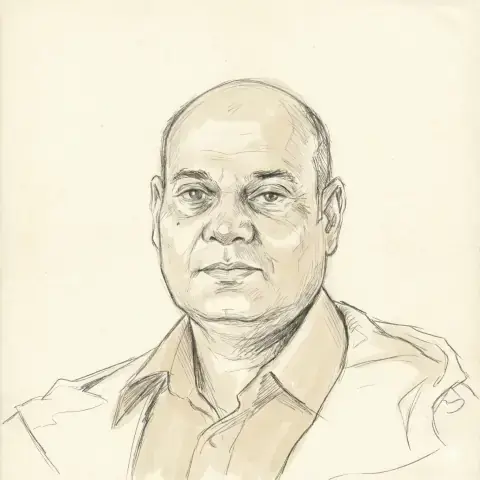
Officials said a meeting between IMF representatives and a team led by Special Assistant to the Prime Minister on Industries and Production Haroon Akhtar Khan is expected later this month to discuss the annual fiscal cost of the incentives planned for various sectors.
The policy targets $60 billion in exports by 2030, GDP growth of 6pc and manufacturing growth of 8pc annually by the end of the decade. It aims to provide a roadmap for industrial competitiveness, job creation and export expansion.
Key constraints
The NIP identifies a range of structural and policy-related challenges impeding industrial growth. These include macroeconomic instability, policy uncertainty, costly industrial land, excessive regulation, unreliable and expensive power supply, and limited access to long-term credit.
NIP targets $60bn exports by 2030; identifies high costs, weak regulation and uneven taxation as key hurdles
The ministry said local industries face high borrowing costs and limited access to capital markets. Weak investor protection and an inadequate insolvency framework have further discouraged lending, leaving banks with few tools to restructure loans.
The policy notes that uneven taxation across sectors discourages industrial investment. While manufacturing bears a heavier tax burden, sectors such as real estate, construction, wholesale and retail remain undertaxed, reducing returns on industrial ventures.
Manufacturing firms also face foreign exchange constraints, with frequent delays in accessing dollars for importing raw materials. In some cases, foreign investors struggle to repatriate profits, deterring foreign direct investment.
The NIP highlights weak standards compliance, which hampers exports, and calls for reforms to improve product quality and certification systems. It also stresses the need for inclusive industrialisation, noting that women remain largely excluded from industrial entrepreneurship and management.
“Women remain at the periphery and suffer from a sense of not belonging. This needs to change, and more women industrialists must be promoted,” the document states.
The policy proposes a predictable and transparent taxation regime consistent with IMF-backed reforms. It recommends widening the tax net and ensuring that all sectors contribute proportionately to their share of value-added in GDP.
The NIP also calls for the review and simplification of corporate income tax (CIT), currently set at 29pc, higher than the regional average of 26pc, which affects export competitiveness. The super tax, levied in addition to the CIT, should also be reassessed to ease the burden on industries, the document says.
Structural measures
To support struggling firms, the policy proposes setting up a National Industrial Revival Commission (NIRC) to oversee company rehabilitation and coordinate regulatory support.
It further calls for strengthening intellectual property rights (IPR) through accession to the Patent Cooperation Treaty and enhancing the enforcement capacity of the Intellectual Property Organisation of Pakistan (IPO) to counter counterfeiting and piracy.
Reducing port charges, particularly those levied by the Karachi Port Trust (KPT) and Port Qasim Authority (PQA) — among the highest in the world — is also recommended to improve export competitiveness.
Officials said the policy, once approved, will serve as a framework for industrial transformation through improved governance, fiscal discipline and an enabling environment for private investment. However, its implementation will depend on IMF endorsement of the incentive package, given Pakistan’s commitments under the ongoing economic stabilisation programme.
Published in Dawn, November 9th, 2025