US sets 2027 deadline for Europe-led Nato defence, officials say
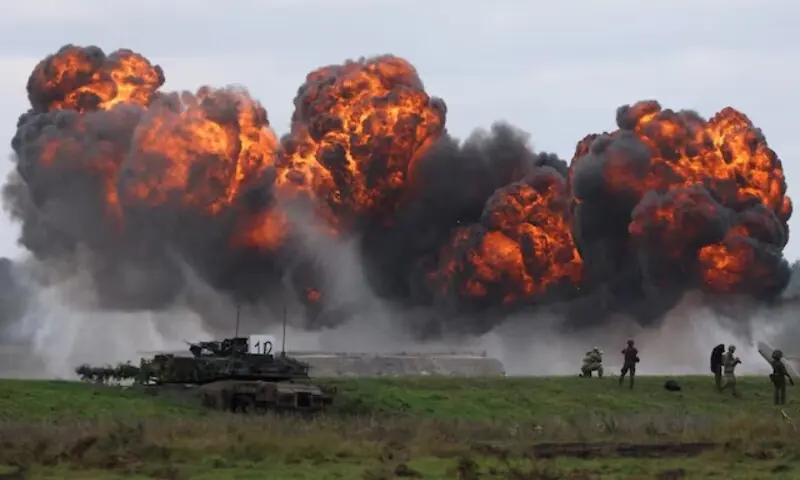

The United States wants Europe to take over the majority of Nato’s conventional defence capabilities, from intelligence to missiles, by 2027, Pentagon officials told diplomats in Washington this week, a tight deadline that struck some European officials as unrealistic.
The message, recounted by five sources familiar with the discussion, including a US official, was conveyed at a meeting in Washington this week of Pentagon staff overseeing Nato policy and several European delegations.
The shifting of this burden from the US to European members of the North Atlantic Treaty Organisation would dramatically change how the US, a founding member of the post-war alliance, works with its most important military partners.
In the meeting, Pentagon officials indicated that Washington was not yet satisfied with the strides Europe has made to boost its defence capabilities since Russia’s expanded invasion of Ukraine in 2022.
The US officials told their counterparts that if Europe does not meet the 2027 deadline, the US may stop participating in some Nato defence coordination mechanisms, said the sources, who requested anonymity to discuss private conversations.
Some officials on Capitol Hill are aware of and concerned about the Pentagon’s message to the Europeans, one US official said.
No clarity on how US would measure Nato’s progress
Conventional defence capabilities include non-nuclear assets from troops to weapons and the officials did not explain how the US would measure Europe’s progress toward shouldering most of the burden.
It was also not clear if the 2027 deadline represented the Trump administration’s position or only the views of some Pentagon officials. There are significant disagreements in Washington over the military role the US should play in Europe.
Several European officials said that a 2027 deadline was not realistic, no matter how Washington measures progress, since Europe needs more than money and political will to replace certain US capabilities in the short term.
Among other challenges, Nato allies face production backlogs for military equipment they are trying to purchase. While US officials have encouraged Europe to buy more US-made materiel, some of the most prized US-made weapons and defence systems would take years to be delivered if ordered today.
The US also contributes capabilities that cannot simply be purchased, including unique intelligence, surveillance and reconnaissance that have proven key to the Ukrainian war effort.
Asked for comment, a Nato official speaking for the alliance said European allies had begun taking more responsibility for the continent’s security, but did not comment on the 2027 deadline.
“Allies have recognised the need to invest more in defence and shift the burden on conventional defence” from the US to Europe, the official said.
The White House did not immediately respond to requests for comment.
Pentagon press secretary Kingsley Wilson said: “We’ve been very clear in the need for Europeans to lead in the conventional defence of Europe. We are committed to working through Nato coordination mechanisms to strengthen the alliance and ensure its long-term viability as European allies increasingly take on responsibility for conventional deterrence and defence in Europe.”
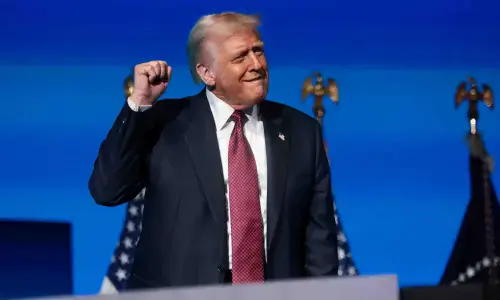
European nations have broadly accepted US President Donald Trump’s demand that they take more responsibility for their own security and have pledged big increases in defence spending.
The European Union has set a target of making the continent ready to defend itself by 2030 and says it must fill gaps in its air defences, drones, cyber warfare capabilities, munitions and other areas. Officials and analysts said even that deadline is highly ambitious.
Washington-Nato relationship runs hot and cold
The Trump administration has consistently argued that European allies need to contribute more to the Nato alliance, but it’s not always clear where the president stands on Nato.
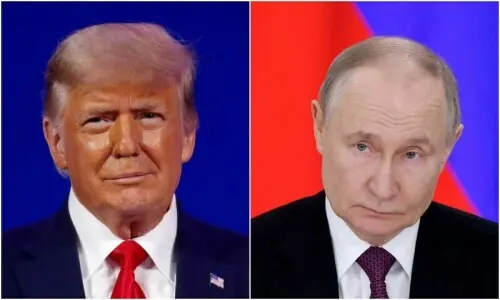
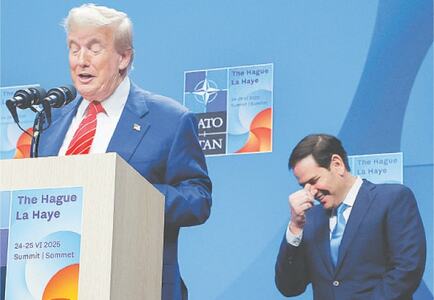
On the campaign trail in 2024, Trump frequently bashed European allies, and he said he would encourage Russian President Vladimir Putin to invade Nato countries that did not spend their fair share on defence. But at the annual Nato leaders’ summit in June, Trump effusively praised European leaders for agreeing to a US plan to boost the annual defence spending target for member states to five per cent of gross domestic product.
In the months since, Trump has vacillated between a harder line on Russia — the bloc’s main opponent — and, more recently, a willingness to negotiate with Moscow over the Ukraine conflict. European officials have complained that they were largely cut out of those negotiations.
At a meeting of Nato foreign ministers this week, US Deputy Secretary of State Christopher Landau said it was “obvious” Nato allies should take responsibility for Europe’s defence.
“Successive US administrations have been saying this in one form or another pretty much my whole life … but our administration means what it says,” Landau wrote on X.