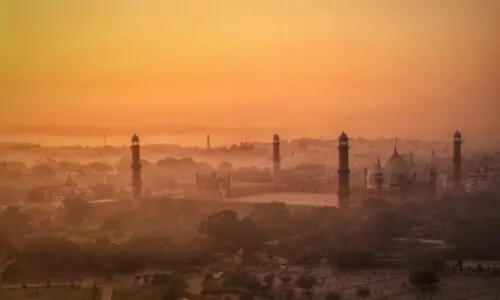
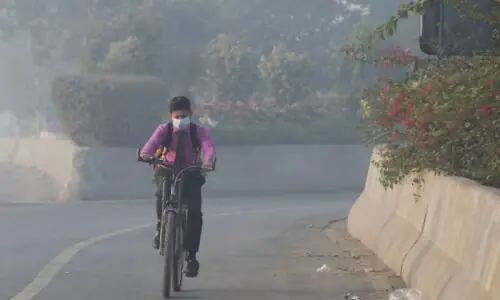
No clean air day in Lahore in 2024 under WHO standards
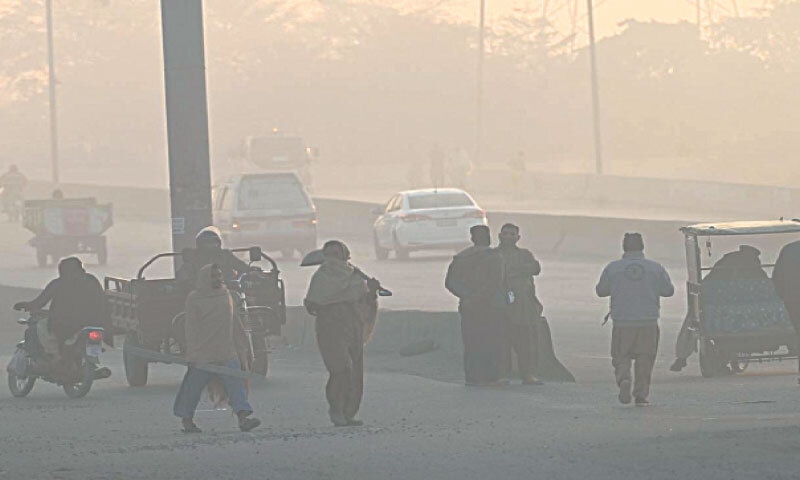

LAHORE: A Pakistan Air Quality Initiative (PAQI) report has proposed measures aimed at reducing Lahore’s persistent air pollution and limiting its impact on residents.
The report states that Lahore recorded no clean air day in 2024 under the World Health Organisation (WHO) standards while 218 days of the same year also failed to meet Punjab’s Environmental Quality Standards (PEQS).
It revealed that annual PM2.5 levels would remain 21 times above the WHO guidelines, with an average concentration of 104.6 µg/m³ resulted in a loss of seven years of life expectancy for the average citizen.
According to PAQI, Lahore’s air pollution is driven by emissions from transportation, industry and brick kilns, which collectively contribute more than three-quarters of the city’s PM2.5 load.
Transport, industry, brick kilns major culprits, says PAQI report
The report recorded that Lahore’s airshed received 26.68 kilotons of PM2.5, 39.81 kilotons of SO2, 52.65 kilotons of NOx and 207.08 kilotons of CO each year. The highest shares of PM2.5 comes come from transportation (35pc), industrial activity (28pc) and brick kilns (17pc).
The report also highlights a continuous exposure problem for citizens, noted that pollution would remain elevated throughout the year and intensify during winter when temperature inversions restrict vertical air movement. Crop residue burning and increased domestic fuel combustion during seasonal gas shortages would also add to the load.
PAQI stats that the health impact on residents included respiratory stress, limited outdoor mobility and long-term risk of chronic illness. The absence of clean air days in 2024 indicate continuous public exposure without relief periods.
The report noted that the historic urban core and high-traffic corridors recorded higher pollution concentrations, affecting daily commuting, commercial activity and public movement.
To address the crisis, the report proposed a set of interventions and claimed that it could cut Lahore’s PM2.5 pollution by up to 50pc if implemented in full. Transportation sector reforms are identified as the highest-impact area including a mandatory inspection and maintenance programme for diesel trucks and buses, the creation of low-emission zones in central Lahore, improved fuel quality standards with a shift to Euro-V diesel and remote sensing enforcement against super-emitting vehicles.
For industry, the report recommended mandatory installation of electrostatic precipitators or fabric filters in steel and foundry units, fuel switching from coal and furnace oil to gas and continuous emissions monitoring systems to provide real-time compliance data.
The report called for a complete shift of brick kilns to zigzag technology and a ban on the burning of waste materials and rubber as fuel and also proposed pilot projects for electric or renewable-powered kilns as part of long-term sector reforms.
PAQI also recommended a seasonal plan to reduce winter pollution peaks including temporary restrictions on non-essential traffic and construction during severe smog episodes, coordination with neighbouring regions to curb crop burning and the promotion of alternative uses of crop residue such as biofuel production or fodder.
The report revealed that the sources of pollution were identifiable and controllable and that targeted implementation of the proposed measures could reduce the exposure faced by Lahore’s residents.
Published in Dawn, December 11th, 2025