Damascus seeks withdrawal of Israeli troops as US-mediated security talks with Syria resume
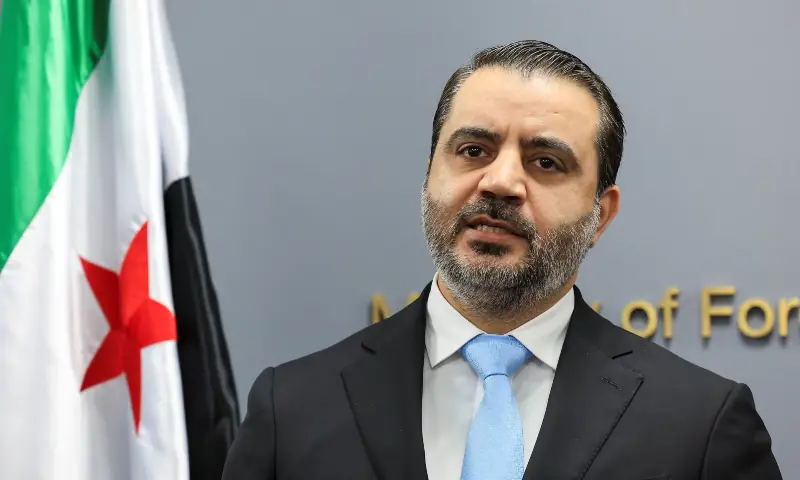

US-mediated talks between Syria and Israel have resumed after an interruption of several months, Syria’s state news agency SANA reported on Monday, with Damascus seeking the withdrawal of Israeli troops from territory seized after the fall of Bashar al-Assad.
Two diplomatic sources told AFP that the US-mediated talks were being held in Paris.
SANA, citing a Syrian government source, said the Syrian delegation was led by Foreign Minister Asaad al-Shibani and intelligence chief Hussein al-Salama. The resumption of the talks reflects a push by Damascus to reclaim what it describes as its non-negotiable national rights, the source said.
The discussions are focused on reviving a 1974 disengagement agreement that established a UN-monitored buffer zone between Israel and Syria after the 1973 Middle East war, SANA said.
The United States has been pushing Syria and Israel to reach an agreement that would halt hostilities between the two countries, technically at war since 1948.
Israeli troops advanced deeper across the border after Assad was toppled on Dec 8, 2024 by rebel fighters who assumed Syria’s leadership. Israel has also intervened in what it calls missions to protect the ethnic minority Druze in southwestern Syria.
Syria is seeking an Israeli withdrawal to positions held before Assad was toppled, and wants a reciprocal security framework guaranteeing its sovereignty and preventing interference in its internal affairs.
A Syrian official told Reuters last month that talks had been stalled since October, but that Syria expected a possible shift following a December 29 meeting between US President Donald Trump and Israeli Prime Minister Benjamin Netanyahu.
The Syrian official said Damascus considered Israel’s withdrawal from territory it took after Assad’s fall to be a “red line” and that Syria had been asked to consider a phased withdrawal by Israeli troops.
“We’re not going to legitimise an Israeli presence in Syria or the Golan Heights for that matter,” the official said.
Officials have met on several occasions, most recently in September, but Israel’s insistence on a demilitarised zone in southern Syria has been a major stumbling block.
Last month, Syrian President Ahmed al-Sharaa said the demand would endanger his country and urged Israel to respect the 1974 deal, which separated forces and maintained a ceasefire for decades, though formal peace was never achieved.
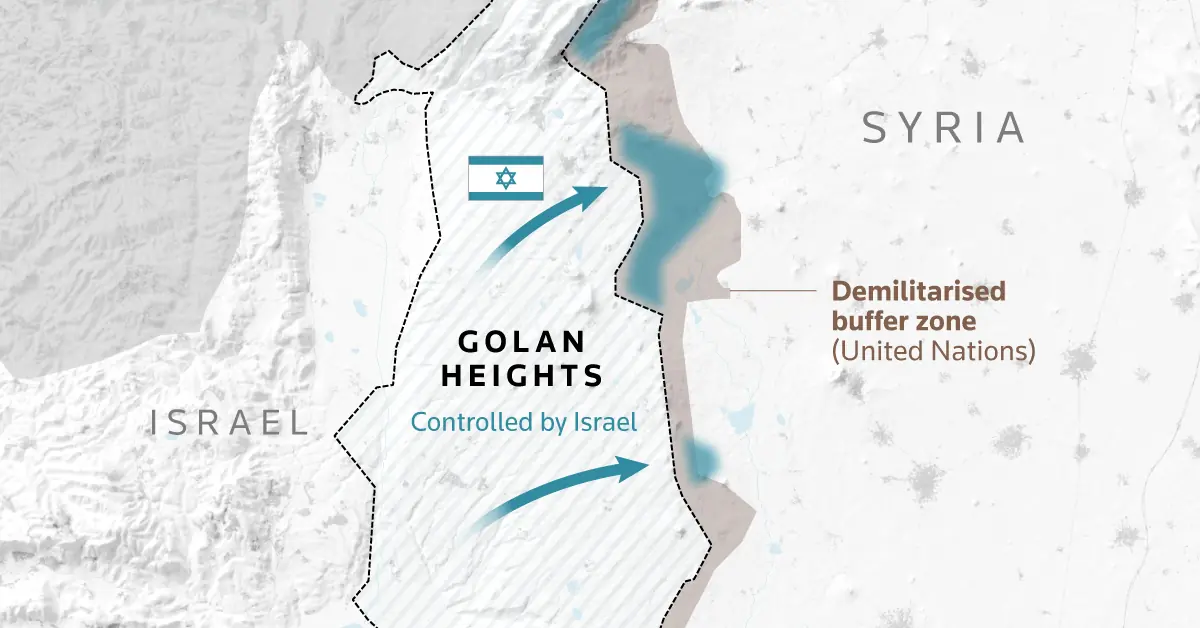
Syria’s leadership has also sought an end to Israeli air strikes and incursions.
Israel has said it would conclude an agreement only on terms safeguarding its security interests, including demilitarisation of parts of southwestern Syria and protection for minority communities. It has yet to publicly commit to a full withdrawal to pre-2024 lines.
EU chief to visit Syria this week
Separately, EU chief Ursula von der Leyen will visit Syria later this week on her first trip to the country since the fall of Assad, spokeswoman Paula Pinho said today.
Von der Leyen will head to Syria as part of a tour of the Middle East that will also see her visit Jordan and Lebanon, Pinho said.
Von der Leyen’s visit to the devastated country comes as the international community seeks to bolster fragile efforts to rebuild a year after Assad’s downfall.
Syrian President Ahmed al-Sharaa, a former fighter who led Assad’s ouster, has been scrambling to boost support from abroad and shore up security.
But the country remains in a perilous position and is still grappling with sectarian violence and the threat of the militant Islamic State group.
The EU is a key financial donor for Damascus and has rolled back sanctions imposed during the civil war to try to boost reconstruction efforts.