Iranian president orders security forces not to crack down on protesters, distinguish them from rioters
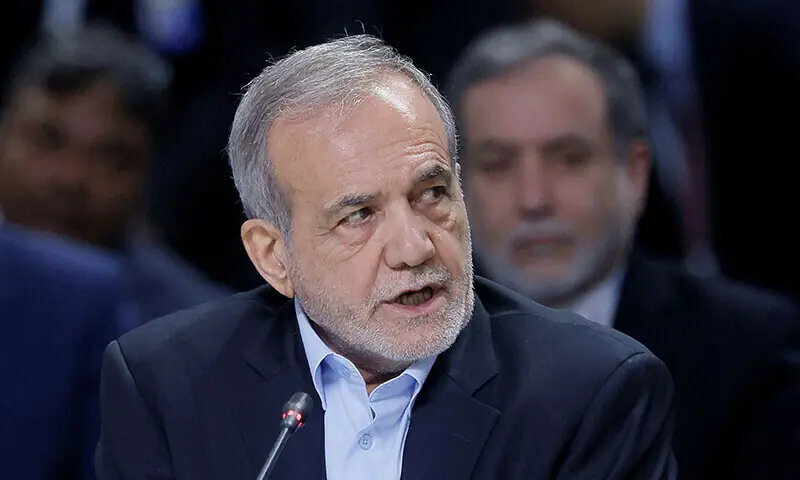

Iran’s President Masoud Pezeshkian on Wednesday ordered security forces not to crack down on economic protests, drawing a distinction between peaceful demonstrators and armed “rioters”.
Pezeshkian’s statement comes as Iranian cities continue to see a wave of protests against economic hardship triggered by price rises and currency collapse.
Norway-based NGO Iran Human Rights (IHR) claimed on Tuesday at least 27 protesters have been killed during the demonstrations that kicked off with a shopkeeper’s strike in Tehran on December 28.
Iranian media outlets, relaying official announcements, have reported 13 deaths, including members of the security forces and a policeman who was shot dead on Tuesday.
In a video released by the news agency Mehr after a cabinet meeting on Wednesday, Iran Vice President Mohammad Jafar Ghaempanah said Pezeshkian had “ordered that no security measures be taken against the demonstrators”.
“Those who carry firearms, knives and machetes and who attack police stations and military sites are rioters, and we must distinguish protesters from rioters,” Ghaempanah added.
Army chief warns Iran’s foes
General Amir Hatami, commander of the Iranian army and one of its most senior military officers, warned Tehran will not tolerate outside threats “without responding”.
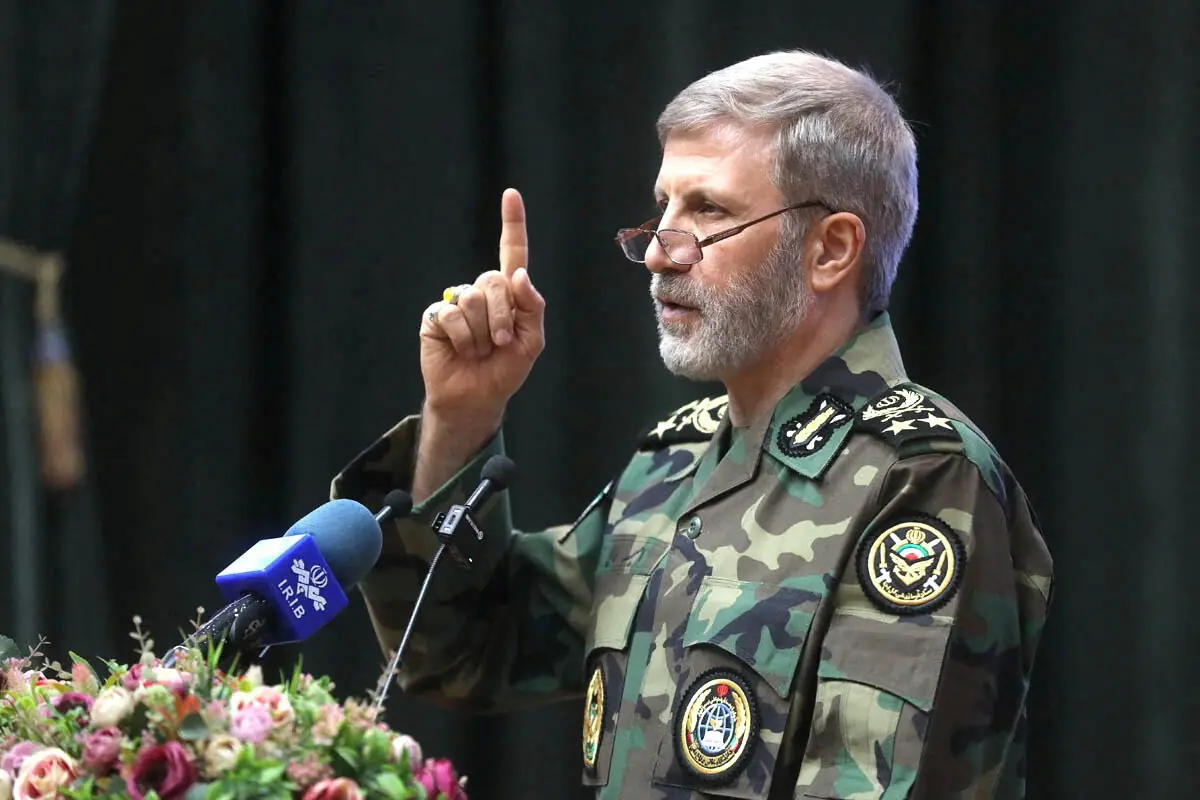
According to the Fars news agency, Hatami said “if the enemy makes a mistake,” Iran’s response would be more robust than during last June’s 12-day war with Israel.
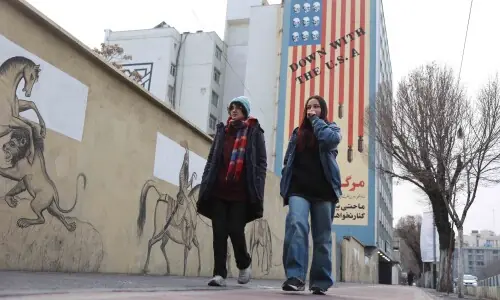
In recent days, US President Donald Trump has threatened to intervene in Iran if demonstrators were killed, while Israel’s Prime Minister Benjamin Netanyahu has expressed support for the protests.
The demonstrations have yet to reach the scale of a 2022 to 2023 movement, let alone that of the mass 2009 street protests that followed disputed elections.
But the economic protests have attracted international attention, including from the leaders of the Iran’s international foes.
“We’re watching it very closely. If they start killing people like they have in the past, I think they’re going to get hit very hard by the United States,” Trump told reporters on Sunday.
Netanyahu, meanwhile, told Israel’s cabinet: “We stand in solidarity with the struggle of the Iranian people and with their aspirations for freedom, liberty and justice.”
The war in June began with an unprecedented Israeli attack on Iranian military and nuclear facilities.
The United States briefly took part in the strikes, hitting three major Iranian nuclear sites.
Tear gas in Grand Bazaar
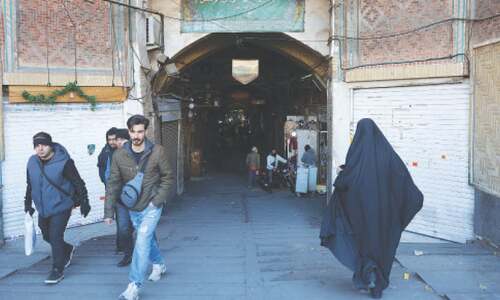
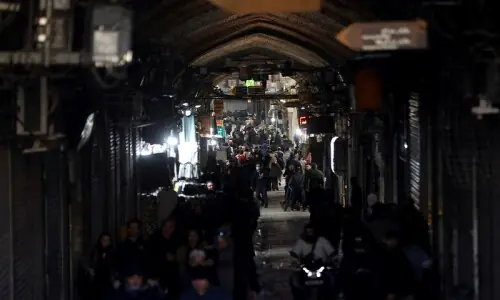
The latest demonstrations have spread to the heart of the economy in Iran, the capital’s Grand Bazaar, and several more towns and cities, especially in the west of the country.
On Tuesday, clashes erupted in the Grand Bazaar for the first time since the protests began, with police using tear gas to disperse crowds. In one case, gas drifted into a hospital.
To disperse a crowd, “tear gas was used in the alley adjacent to the Sina Hospital”, the ISNA news agency reported, citing a statement from the Tehran University of Medical Sciences.
The Sina Hospital is affiliated with the university and is about two kilometres from the Grand Bazaar.
The university denied claims that tear gas had been deliberately fired at the hospital.
Elsewhere in the Iranian capital, calm appeared to have returned on Wednesday. AFP reporters saw residents conducting business as normal in the shops of Vali Asr, the grand thoroughfare that crosses the city from north to south.