Subsidised consumers eat up power tariff cut
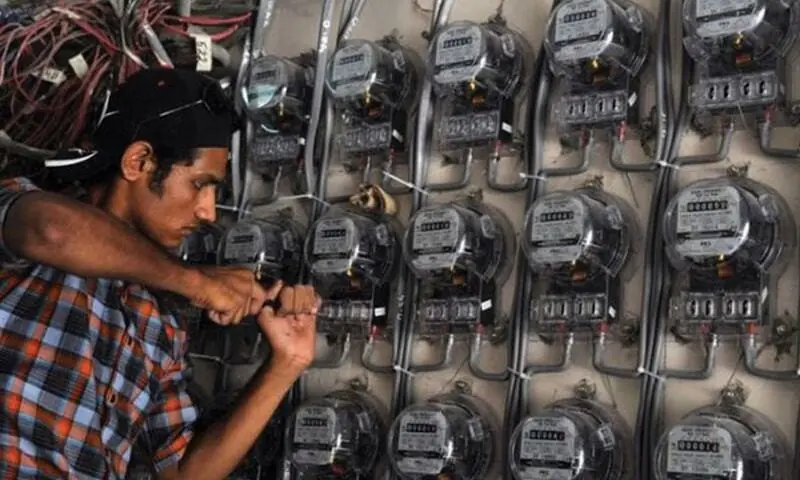

ISLAMABAD: Challenges in the power sector continue to grow as the number of poor and subsidised consumers more than doubled to 21 million in three years, offsetting a 62-paisa per unit reduction in the national average electricity rates due from Jan 1.
In a record and historic speed, the National Electric Power Regulatory Authority (Nepra) on Monday issued its determination for annual tariff rebasing just a couple of hours after conducting a public hearing on the government’s request. The decision drew criticism from multiple businesses, including representatives of the textile industry and the Federation of Pakistan Chambers of Commerce and Industry.
In its ruling, the regulator said: “Although the average tariff has been reduced by Rs0.62/kWh, the reduction has been eaten up by changes in the sales mix, as the number of subsidised consumers has increased exponentially from 9.5m in FY22 to 20.71m as of June 2025.”
All these consumers fall within the consumption bracket of less than 200 units per month, with per-unit rates ranging from Rs7.74 to Rs13 against a marginal rate of about Rs25 per unit. Beyond this consumption, the per-unit rate gradually rises to Rs47 per unit, excluding taxes. “With this shift, consumption by subsidised consumers has also increased from 8.527 billion units in FY21 to 19.7bn units as of June 2025,” Nepra added.
The regulator said the total revenue requirement of ex-Wapda distribution companies (Discos) for 2026 decreased by Rs142bn compared to FY26, resulting in the 62-paisa per unit reduction, mainly due to a decrease in the power purchase price (PPP) for CY2026. Going forward, tariff rebasing will take place on a calendar-year basis (starting January 1) instead of the fiscal year, reducing the impact of tariff increases coinciding with high-consumption months starting July 1.
Despite this change in the sales mix, the government decided to maintain the existing applicable tariffs for each consumer category. Out of the total determined revenue requirement of Rs3.379 trillion for Discos, Rs248bn will be covered as a subsidy from the budget.
Various industrialists protested the decision not to pass the 62-paisa per unit reduction to industrial consumers, calling it selective, unjustified, and discriminatory.
Industrial cross-subsidy tariffs continue to carry an estimated Rs5-7 per unit, a policy-driven burden that has rendered Pakistani industry regionally uncompetitive, according to Rehan Javed from Karachi. He added that removing this cross-subsidy would immediately reduce tariffs to 9-10 US cents per unit, restoring competitiveness and supporting exports.
Industrialists argued that uniform tariffs were being used to conceal inefficiencies rather than correct them, with costs being socialised upward through industrial tariffs instead of addressing Disco inefficiencies.
Published in Dawn, January 13th, 2026