US changes leadership of Gaza mission amid uncertainty over role

JERUSALEM: The US military and civilian leaders of Washington’s flagship mission for Gaza have stepped aside, but their replacements have yet to be made public, as European countries rethink their presence in the initiative to reshape Gaza.
The top military officer at the Civil-Military Command Centre, a three-star lieutenant general, is expected to be replaced by a US commander of a lower rank, while the top civilian has returned to his job as US ambassador to Yemen.
The CMCC was set up in October in the first phase of President Donald Trump’s plan to end the Gaza conflict and is meant to supervise the ceasefire between Israel and Hamas, facilitate the entry of aid and shape Gaza policy.
The overhaul in its leadership comes amid what western officials and diplomats say is growing uncertainty over the body’s future role, as Trump pursues the next phase of his plan including by setting up a “Board of Peace” of foreign dignitaries to supervise Gaza policy.
Gen Patrick Frank, the top commander of US forces in the Middle East, has been leading the CMCC in southern Israel since it was established. The US military announced last month that he was being promoted to deputy head of Central Command.
Four diplomats said he is expected to leave as soon as next week. The Pentagon did not immediately respond to a request for comment.
The State Department said in a statement that the CMCC’s civilian lead, career diplomat Steve Fagin, had returned to his post as ambassador to Yemen after holding “the transitional role as civilian lead for CMCC”.
The department did not say who would replace him. The four diplomats said a replacement for Fagin had not yet been announced.
Diplomats have said the centre has failed to increase aid flows or achieve political change, with some US partners now reconsidering their involvement.
Under the first phase of the ceasefire plan, major fighting has been halted, hostages were released in exchange for prisoners and Israeli forces have withdrawn from nearly half of the Gaza Strip.
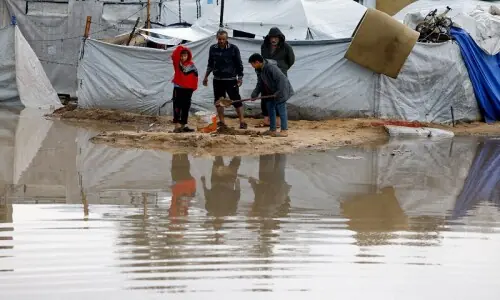
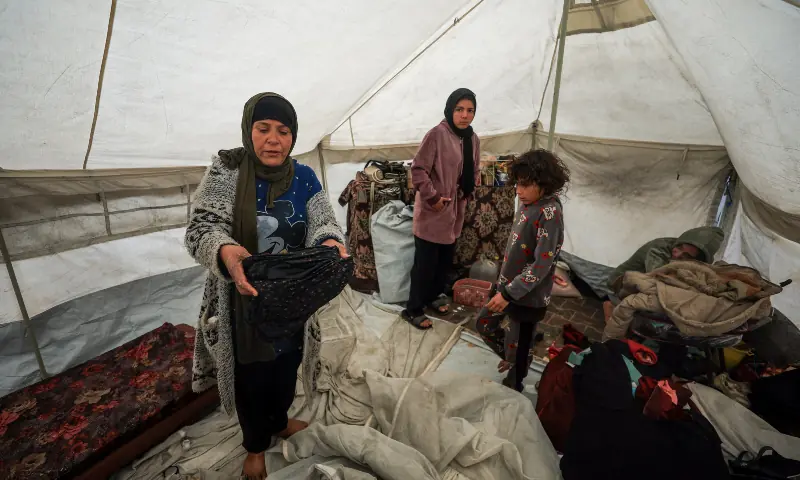
But the warring sides accuse each other of violations. More than 400 Palestinians and three Israeli soldiers have been killed. The vast majority of Gaza’s more than two million people now live in a small strip of land outside an Israeli-occupied zone, mostly in makeshift tents or damaged buildings.
Trump has announced the second phase of his plan this month, under which Israel would withdraw further and Hamas would relinquish day-to-day control to an internationally backed administration.
Published in Dawn, January 31st, 2026