New Zealand’s Christchurch mosque killer appeals conviction
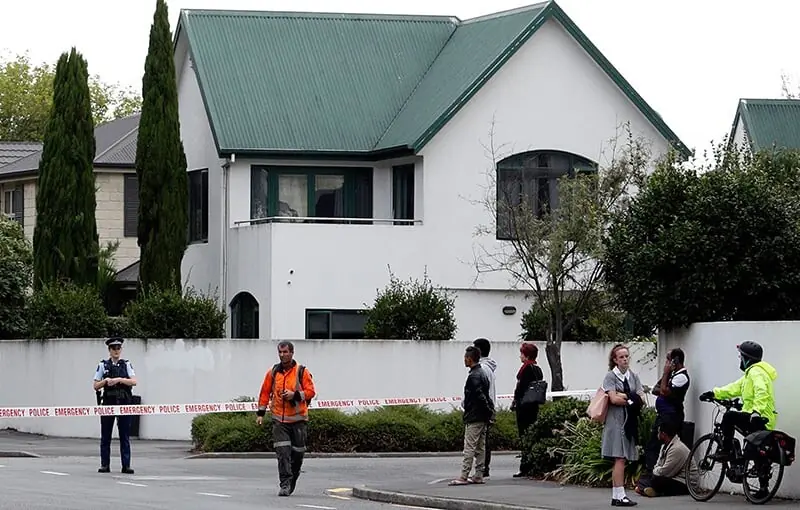

A white supremacist who shot and killed 51 worshippers at two New Zealand mosques in 2019 launched an appeal Monday seeking to overturn his conviction.
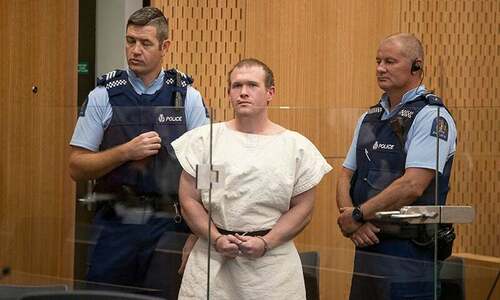
Brenton Tarrant, an Australian former gym instructor, admitted carrying out New Zealand’s deadliest modern-day mass shooting before being sentenced to life in jail in August 2020.
Now, the convicted killer argues that his “torturous and inhumane” detention conditions during his trial made him incapable of making rational decisions when he pleaded guilty, according to a court synopsis of the case.
Tarrant is being held in a specialist unit for prisoners of extreme risk at Auckland Prison, seldom interacting with inmates or other people.
“I did not have the mind frame or mental health required to be making informed decisions at that time,” Tarrant told the court, according to the New Zealand Herald.
Tarrant said his state of mind was such that he had considered trying to implicate President Donald Trump in the crime.
Life without parole
“What I said at the time is ‘perhaps I could go out and say there was a second shooter on the roof, perhaps I could say it was Donald J Trump’,” he said, according to national broadcaster RNZ.
If the Court of Appeal in Wellington upholds Tarrant’s conviction, it would hold a separate hearing later in the year to consider an appeal against his sentence.
His penalty of life imprisonment without parole was the stiffest in New Zealand history.
Armed with an arsenal of semi-automatic weapons, Tarrant attacked worshippers at two mosques in Christchurch on March 15, 2019.
He published an online manifesto before the attacks and then livestreamed the killings for 17 minutes.
His victims were all Muslim and included children, women and the elderly.
‘Not prepared’
There are heavy restrictions on who can be in court during Monday’s appeal hearing, with only counsel, media and court officials allowed.
Families and friends of those killed or wounded in the attacks have been invited to watch proceedings in Christchurch remotely by video with a one-hour delay.
Members of the public are also able to watch the hearing by video link with a one-hour delay at a separate courtroom in Wellington.
Aya Al-Umari, whose brother Hussein was killed by Tarrant inside the Linwood mosque, told Christchurch’s The Press newspaper she had thought “this is the end of it” when Tarrant was sentenced.
“Little did you know that you are allowed to do this six years later. I was not prepared to do this,” she said.
The hearing is being held before three Court of Appeal judges.
In most Court of Appeal hearings the judges reserve their decision to be published at a later date, meaning a verdict is unlikely this week.
After Tarrant’s livestream, Facebook said it removed 1.5 million videos that proliferated within the first 24 hours showing the harrowing viral footage.
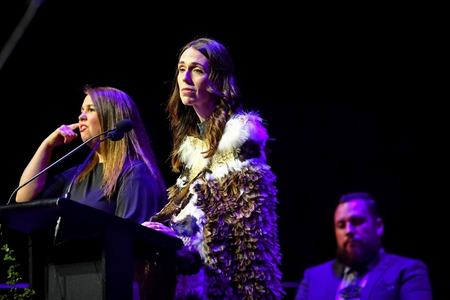
Then-prime minister Jacinda Ardern quickly moved to tighten gun laws in the aftermath and put pressure on social media giants to curb online extremism.
In 2021, Tarrant’s former lawyer, Tony Ellis, said his client had believed “the simplest way out was to plead guilty”, arguing the plea was made under duress.
The names of Tarrant’s current lawyers have been suppressed by the court.