Aimal Wali blames past policies for Pak-Afghan tensions
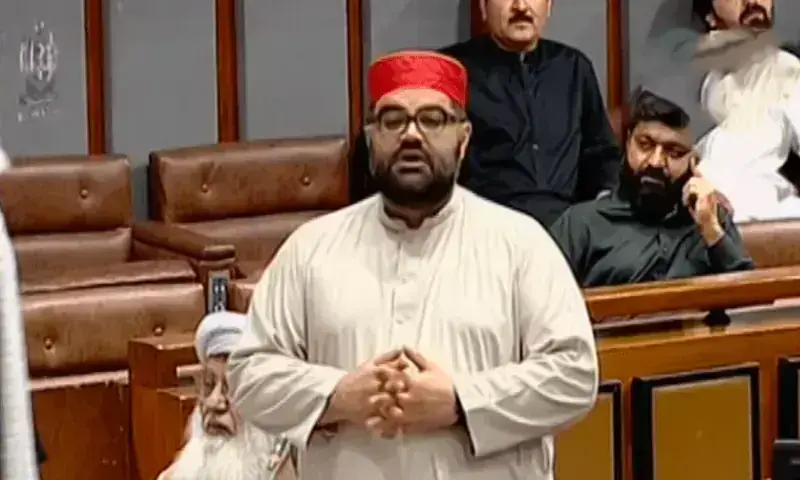

PESHAWAR: Awami National Party central president Senator Aimal Wali Khan has said that the current tensions between Pakistan and Afghanistan are not the result of a single day or a single incident, but are deeply rooted in policies and decisions made over the past five decades.
In a policy statement here on Friday, he said a serious study of history was essential to understand the present situation, particularly those chapters that had been deliberately ignored.
He said that for four generations, leaders of the Khudai Khidmatgar Movement and Pashtun nationalist leadership had warned the state that policies based on violence and interference would push the region towards destruction, but those voices were consistently ignored.
Recalling historical warnings, he said Bacha Khan had clearly stated that the war in Afghanistan was not jihad but “fasad” (chaos), and was in fact a war of global powers. Similarly, Khan Abdul Wali Khan had warned that if explosives were sent to someone’s home, flowers would not be returned in response, but he was instead labelled a “Russian agent”.
Urges power centres in both states to prioritise public opinion in policymaking
He said Asfandyar Wali Khan had pleaded on the floor of the National Assembly that the new generation should be given pens and books instead of cartridges and Kalashnikovs, but he too was targeted by a politics of hatred and blame.
Senator Aimal Wali said that millions of Khudai Khidmatgar members, political workers and conscious citizens had made sacrifices of life and property in an effort to make the state realise that extremism leads only to destruction, but regrettably these realities were still not being fully acknowledged.
“We are now reaping what we sowed,” he said, adding that narratives of hatred, extremism and war had affected an entire generation. He warned that if this fire was reignited, it would engulf borders, nationalities and state boundaries alike.
He said the people of Pakistan and Afghanistan did not want war, stressing that conflict in the region had largely been the product of global power rivalries, with the region repeatedly turned into a battlefield for external interests.
Questioning the representative nature of governments in both countries, he asked whether the administrations in Pakistan and Afghanistan truly reflected the will of their peoples, arguing that factors other than public opinion had played a more dominant role in their formation.
He urged the power centres in both states to prioritise public opinion in policymaking, saying that people on both sides of the border wanted peace, employment, education and a dignified life, not war and instability.
He added that if societies claimed to be Muslim, they should prioritise peace in the light of Islamic teachings; if they claimed to be Pashtun, they should uphold Pashtunwali traditions of honour, tolerance and dispute resolution through jirga; and if they took pride in being Pakistani or Afghan, they should not push their own people into the fire of war, as war had never been a lasting solution to any problem.
Appealing to the nation, Aimal Wali said that in the present sensitive situation people should not abandon patience, wisdom and consciousness, and should avoid becoming part of narratives of hatred and provocation.
He said the ANP would continue to raise its voice for peace within its capacity.
Published in Dawn, February 28th, 2026