Centre orders monitoring of petrol stations amid hoarding concerns
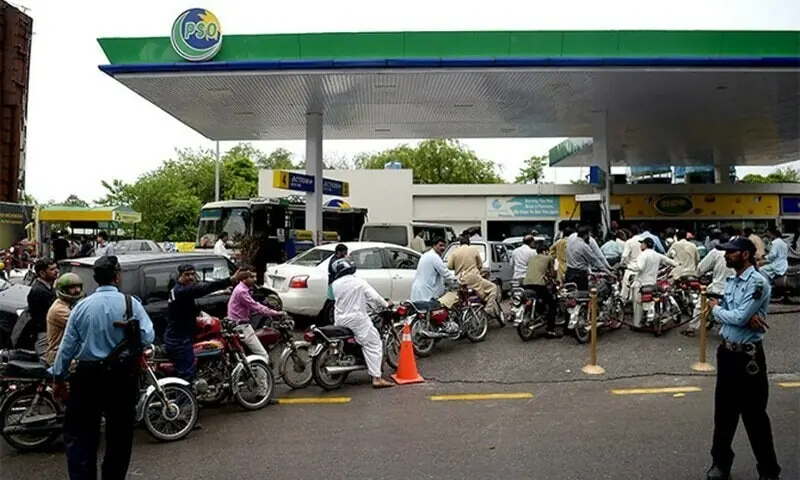

ISLAMABAD: The Centre on Thursday asked all the provincial governments to ensure physical inspection and monitoring of retail petrol stations through respective deputy commissioners to avoid hoarding of petroleum products for undue profiteering.
The government also appointed Hamed Yaqoob Sheikh, a grade-22 officer of the Pakistan Administrative Service, as the Petroleum Division secretary — a post lying vacant for the past couple of months. Shaikh, a former secretary of finance and planning, was working as the national food security secretary.
In an announcement, the Oil and Gas Regulatory Authority (Ogra) said the government had assured the public that the country currently held sufficient stocks of petroleum products to meet national demand and there was no need for panic buying or hoarding.
It should be noted that the government is currently mulling shifting the petrol pricing mechanism from the current fortnightly basis to a weekly basis.
It is also considering providing full financial cover to oil marketing companies (OMCs) to ensure sufficient product imports, and also shifting the government and private sector to work-from-home to minimise oil consumption.
Latest estimates suggest petrol and diesel prices could go up by Rs25-50 per litre if the weekly price revision comes into effect from March 8.
Meanwhile, Ogra also said that in light of the prevailing geopolitical situation, authorities were closely monitoring the supply chain to ensure the uninterrupted availability of petroleum products across the country.
“The existing stock position remains comfortable and well within the prescribed requirements,” it said.
The regulator warned strict action would be taken against any individual or entity found involved in illegal hoarding or storage of petroleum products at unauthorised locations, particularly at places other than duly licensed oil depots and retail outlets of OMCs.
According to Ogra, any premises found involved in illegal storage of petroleum products would be sealed.
It said reports had indicated that certain elements may attempt to hoard petroleum products for profiteering during such circumstances.
To curb such practices, all provincial chief secretaries were told to direct the DCs to carry out inspections within their respective jurisdictions.
Meanwhile, Ogra said its teams were actively monitoring the situation in the field.
“Inspections are being conducted at oil depots and retail outlets to ensure smooth supply of petroleum products and to prevent any malpractice,” Ogra said.
It advised the public not to pay attention to rumours and continue normal consumption patterns as the petroleum supply situation in the country was stable.
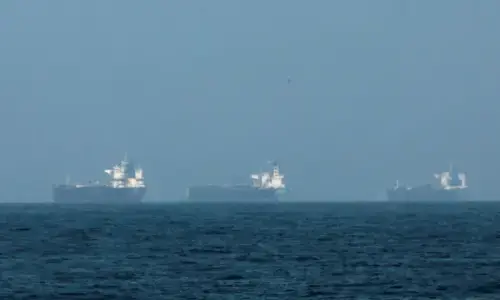
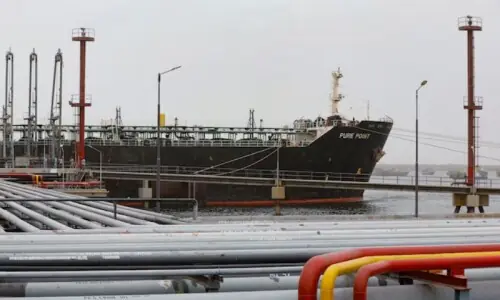
The Ogra announcement comes as the United States and Israel’s war with Iran continues for a sixth day, disrupting supply chains as ships’ passage through the Strait of Hormuz remains paralysed.
According to Finance Minister Muhammad Aurangzeb, there was “no fuel shortage in the country, but things could become serious if the war drags on”.
Pakistan has already formally requested Saudi Arabia to provide an alternative oil supply route through through the alternative Red Sea route to maintain its fuel supply chain.
The government is also considering taking a series of major measures —including weekly petroleum price revision and fuel conservation measures like mandatory work from home — to keep the markets liquid.
Concerns raised about local refineries
Separately, the Oil Marketing Association of Pakistan (OMAP) wrote a letter to the Ogra chairman for his attention to a “serious concern regarding the product supply commitments made by local refineries during the last product review meeting”.
The letter, a copy of which is available with Dawn, said that during the meeting, the committed volumes from local refineries were mutually agreed, finalised and locked.
“Based on these confirmed commitments, most OMCs planned their supply strategies accordingly and did not arrange import cargoes, as the local refinery allocations were expected to meet the agreed requirements,” the letter said.
However, during the current month, local refineries had “unilaterally deviated” from the agreed commitments and introduced a so-called allocation system.
“Under this arrangement, refineries are offering limited quantities of products to OMCs based on certain averages rather than honouring the agreed volumes. This action constitutes a clear violation of the commitments made during the meeting,” the letter said.
The letter further highlighted that many OMCs did not plan imports due to the finalised allocations and currently did not have immediate import sources available.
“At the same time, refineries themselves are reporting adequate stock positions. Despite this, they are supplying significantly reduced quantities to OMCs,” the letter said.
“As a consequence of these reduced supplies, the mandatory 21-day stock cover maintained by OMCs is being depleted on a daily basis,” it said.
The letter added that OMAP continued to communicate across all channels that there was no panic and no product shortage, but if the situation persisted, OMCs’s stock levels would soon reach “critical levels due to restricted refinery supplies”.
“In case of shortages at retail outlets or supply disruptions in the market arising from this situation, any legal obligations, liabilities, or cases initiated due to product shortages or closures of fuel stations/kiosks will be the equal responsibility of the refineries and the regulator for allowing and implementing this deviation from the agreed commitments,” it said.
It urged Ogra to immediately intervene to ensure that refineries strictly adhered to their committed supply volumes, and take strict regulatory action, including heavy penalties, against any refinery found violating these commitments.