Petrol, diesel prices to go up further within days

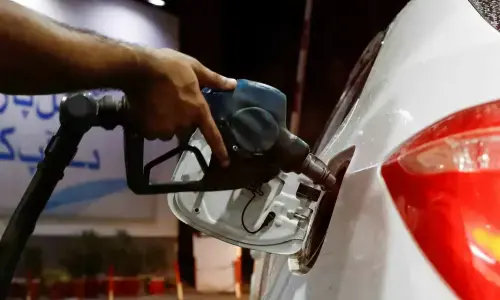
ISLAMABAD: The federal and provincial governments have made up their mind to allow another major hike in petroleum prices within a week to transfer the partial impact of the landed cost of imports to general consumers and provide subsidised petrol and diesel to targeted segments like bikers and farmers.
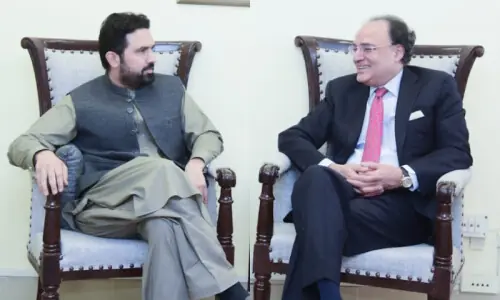
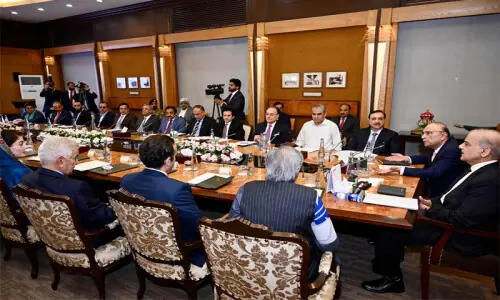
“Prices of both petrol and diesel are set to go up within days. The quantum of increase is being worked out, depending on latest changes globally,” a senior government official told Dawn after a meeting coordinated by Finance Minister Muhammad Aurangzeb with all the provincial governments, including all the four chief ministers, KP’s finance minister, besides a host of federal economic ministers and secretaries.
“Even full pass on of international impact cannot be ruled out in prices, albeit with protections to selective segments, depending on provincial priorities,” he said.
The current price gap is estimated at around Rs100 per litre for petrol and more than Rs200 per litre on diesel. The debate was still there if the full petrol price and half of the diesel gap should be passed on to consumers and would be finalised on the basis of the latest price calculation to be provided by the Petroleum Division and Ogra on coming Friday.
The Centre has already provided about Rs129bn worth of subsidy on these products over the past three weeks and would not go beyond Rs158bn.
Background discussions with key people in the ministries of petroleum and finance suggest that President Asif Ali Zardari and Prime Minister Shehbaz Sharif, after detailed discussions, had prevailed upon the four provinces to “participate in the noble cause” of sharing the burden of subsidy on petroleum products being extended single-handedly by the centre.
It was agreed that Punjab and Sindh would provide fuel subsidy on the basis of their respective populations, as envisaged in the NFC and Balochistan and KP to share the burden on the basis of their respective consumption.
The two larger provinces reiterated their demand to pass on full price hike on both products while providing direct targeted subsidy to priority sectors only but were advised against for being ‘politically explosive’.
Aurganzeb meets four CMs as Centre asks provinces to share burden
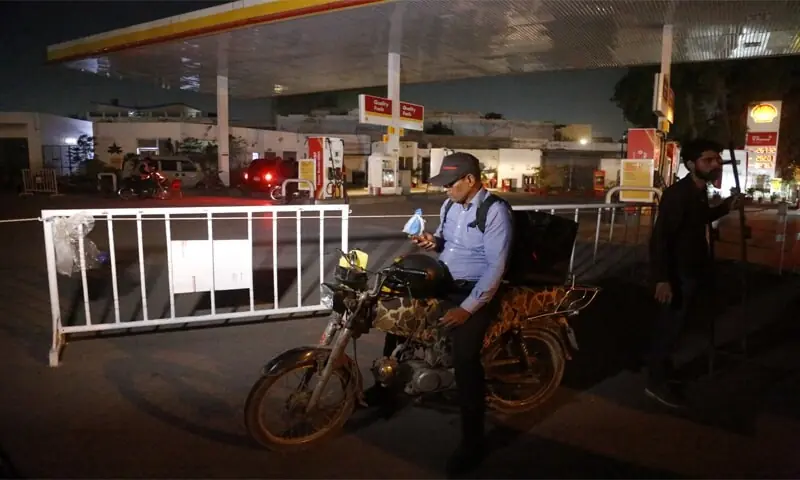
There was still no clarity what to come next as global prices surged suddenly on Monday and Tuesday after a few days of easing. Therefore, despite discussions and persuasions by the finance minister, the amount of provincial financial commitments could not be secured. It was, however, agreed that all provinces would directly subsidise their bikers with an announcement from the prime minister for quantity of rationing for a national uniformity. The price for bikers and three-wheelers would be finalised based on latest landed cost of imports.
Sindh would be providing diesel subsidy to farming community through its Hari card database and Punjab and KP also agreed to follow suit on same lines. The real challenge was, however, in case of goods transportation because that had inflationary impact particularly on perishable and other eatable items.
It was estimated that given the current pricing trend, these steps would need about Rs15-18bn weekly subsidy to be shared by the provinces. Even in case of the need going up to Rs30bn a week, this could be jointly absorbed over the next three months till the close of fiscal year ending June 30, although it was not clear where the pricing movement would end up or these rates would become ‘new normal’.
The provinces agreed not to increase fares for their Bus Rapid Transit (BRTs) but it was pointed out that this would create disparities for populations beyond big cities.
An official statement quoted the finance minister as saying that the meeting was a continuation of ongoing consultations started “under the guidance of the top political leadership for developing a coordinated and sustainable approach to petroleum pricing and subsidy reforms”. He underscored the importance of collaborative decision-making and maintaining close coordination between the Federation and the provinces.
It was agreed that a working framework outlining the broad contours of a possible targeted subsidy mechanism will be developed and shared with all stakeholders for further input. The provinces will continue to refine their proposals in light of the discussions, with a view to reaching a consensus-based and practical solution, it added.
Published in Dawn, April 1st, 2026