Tehran says Islamabad talks depend on terms
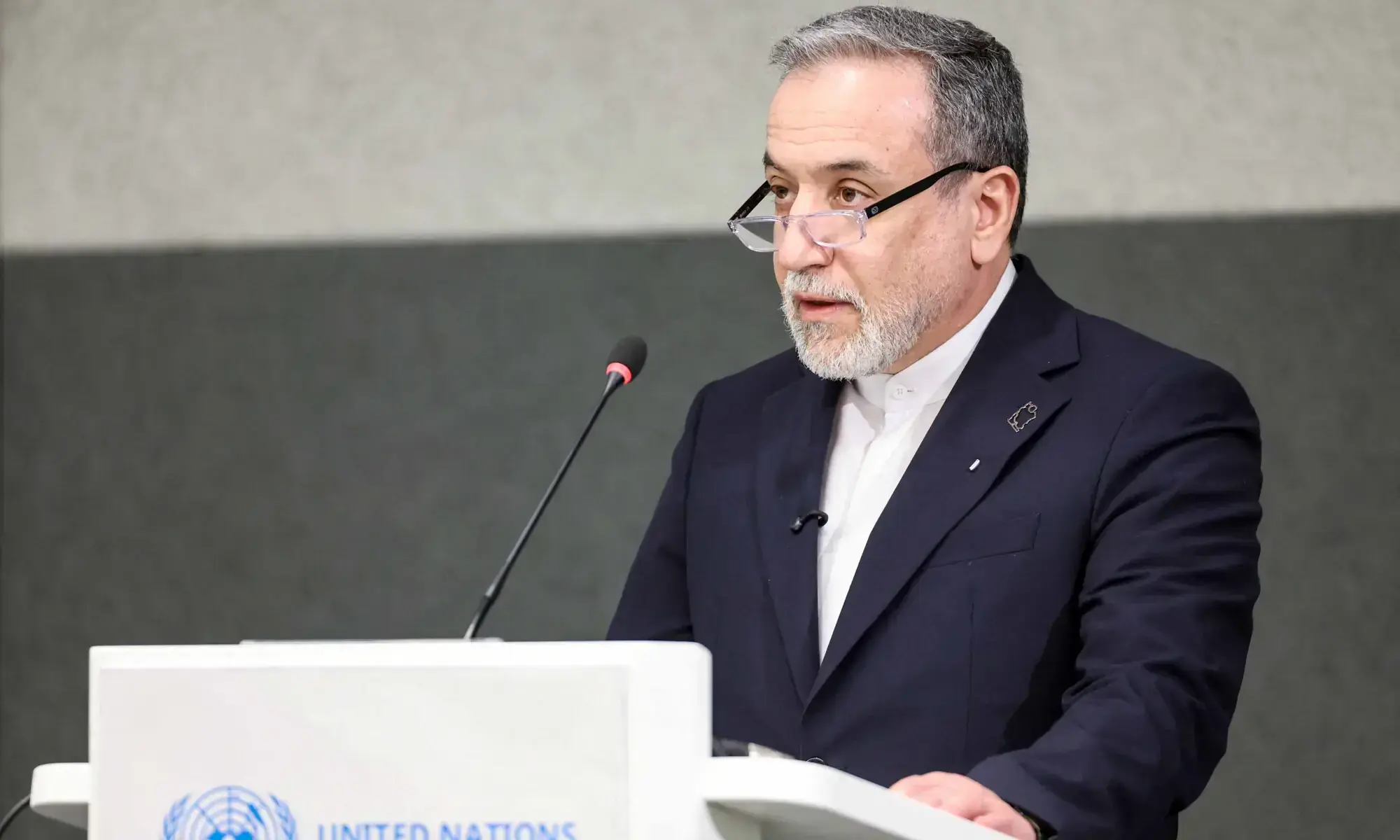

• Araghchi denies rejecting Pakistan as venue for talks
• Dar discusses UN resolution with Bahrain FM, calls Egyptian counterpart
• Ghalibaf says sustainable security in region Iran’s priority, offers bilateral arrangements
ISLAMABAD: Iranian Foreign Minister Abbas Araghchi on Saturday pushed back at reports that Iran was unwilling to travel to Islamabad for future talks with the US, underscoring that Tehran’s position hinged on the terms and conditions of any negotiations.
“Iran’s position is being misrepresented by the US media. We are deeply grateful to Pakistan for its efforts and have never refused to go to Islamabad,” Mr Araghchi said in a post on X.
“What we care about are the terms of a conclusive and lasting END to the illegal war that is imposed on us,” he further said.
His remarks came a day after a report by The Wall Street Journal said Iran had declined to participate in talks in Islamabad, citing objections to US demands and suggesting Pakistan’s efforts had stalled.
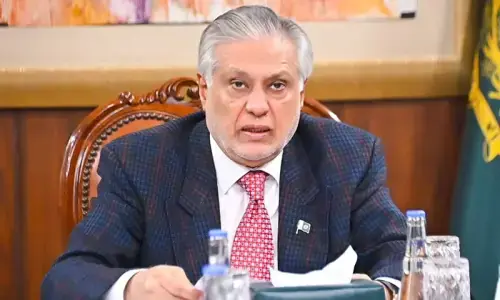
Responding to Mr Araghchi, Pakistan’s Deputy Prime Minister and Foreign Minister Ishaq Dar responded quickly, writing: “Truly appreciate your clarification, my Dear Brother @Araghchi.”
The exchange helped keep alive a fragile diplomatic track that Islamabad has been facilitating through backchannel contacts between Washington and Tehran. Officials say Pakistan has been relaying messages while building support for talks through parallel engagements with regional and global partners.
Mr Araghchi’s clarification came at a time when momentum for negotiations had slowed, with Tehran yet to formally signal readiness for talks despite reported exchanges through intermediaries.
Pakistani officials say Islamabad has remained in contact with Iranian President Masoud Pezeshkian and Mr Araghchi to encourage participation. Diplomatic outreach continued on Saturday, with Mr Dar holding separate calls with Egyptian Foreign Minister Badr Abdelatty and Bahraini Foreign Minister Abdullatif bin Rashid Al Zayani. According to official readouts, the discussions focused on regional developments, the need for de-escalation and support for dialogue.
In his conversation with Al Zayani, Mr Dar highlighted the Pakistan-China five-point initiative aimed at promoting peace and stability in the Gulf and Middle East region. Mr Dar “underscored the urgent need for de-escalation and emphasised the importance of dialogue and diplomacy”, the Foreign Office said in a statement. Bahrain is one of the Arab countries that has maintained a relatively more aggressive posture on the war.
The Bahraini minister appreciated Pakistan’s diplomatic efforts, the statement said and noted that both sides had agreed to remain in close contact.
The conversation took place as a development is unfolding at the United Nations Security Council, where a Bahrain-backed resolution on maritime security in the Strait of Hormuz has been delayed. The vote, initially planned for Friday and later Saturday, has now been postponed until next week amid a lack of consensus.
“Both sides also exchanged views on multilateral efforts, including at the UNSC, and agreed to remain in close contact,” the Foreign Office said.
Pakistan is a non-permanent member of the UNSC.
Diplomats say divisions among major powers have stalled progress. Russia and China have raised objections to language that could be seen as authorising the use of force, while France has also expressed concerns. Without at least nine affirmative votes and no veto from permanent members, adoption remains uncertain.
The delay in voting also reflects disagreements at the UNSC over how to address tensions around the Strait of Hormuz, which is being selectively regulated by Iran.
The Foreign Office, in its statement on Mr Dar’s conversation with the Egyptian foreign minister, said, “They discussed the latest regional developments and ongoing diplomatic efforts, underscoring the importance of dialogue and de-escalation.”
Despite these challenges, officials say the back and forth between Tehran and Islamabad indicates that the channel for potential US-Iran talks remains open, though progress will depend on bridging gaps over the terms of engagement.
Regional powers
Also, Speaker of Iran’s Consultative Assembly Mohammad Bagher Ghalibaf told Al Jazeera Arabic that Tehran was open to “bilateral, multilateral diplomacy with neighbours”.
He said the countries of the region could secure their interests through “bilateral and multilateral security agreements without foreign interference. The main drivers of insecurity in the region must be removed, and security must be built without the US and Israel.”
He said this was Israel’s war, while the resulting security breakdown and losses had affected the entire world.
Maintaining the region’s sustainable security was not only in the interests of its countries, but also Iran’s priority, he added.
Published in Dawn, April 5th, 2026