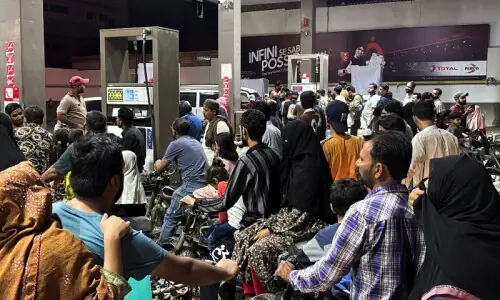
GILGIT: The Pakistan Association of Tour Operators (Pato) warned on Sunday that the sharp increase in fuel prices threatens the country’s tourism industry.
In a statement issued on Sunday, Pato Chairman Capt Niaz Ahmed said the association strongly condemned the recent hike in petroleum prices, calling it a major setback for tourism.
He said the exponential increase would significantly raise travel costs and discourage both domestic and international tourism. The association warned that thousands of businesses and workers linked to tourism and transport could suffer as a result of the decision.
It added that the sharp increase in fuel prices across Pakistan was posing a serious threat to the already fragile tourism sector, raising concerns among tour operators, transporters and hospitality stakeholders.
According to the statement, petrol and diesel prices have surged by over 40-50pc amid rising global oil prices linked to geopolitical tensions in the Middle East, sharply increasing transportation costs.
Pato noted that tourism in Pakistan heavily depends on road travel, with major destinations such as the northern areas relying on long-distance transport.
It said the rise in fuel prices had led to higher fares for tourist vehicles, travel packages and logistics, making travel less affordable for local tourists and discouraging international visitors.
Industry experts warned that the surge in fuel costs was already reducing travel demand, as people cut back on non-essential trips due to rising expenses. Reports indicated that many individuals were reconsidering travel plans and reducing mobility to cope with high fuel costs.
The association said higher fuel prices were also fuelling inflation, increasing the cost of accommodation, food supply and tourism-related services.
It warned that this cascading effect was placing additional strain on small businesses, tour operators and local communities that rely heavily on tourism for their livelihoods. Pato noted that Pakistan, which imports a significant portion of its fuel, remained vulnerable to global oil market fluctuations, making the tourism sector particularly sensitive to such shocks.
The association urged the government to take immediate measures, including targeted subsidies for tourism transport, tax relief for tour operators and promotion of domestic tourism to mitigate the impact.
It warned that failure to address these challenges could result in reduced tourist inflows, business closures and job losses across the tourism value chain.
Published in Dawn, April 6th, 2026