Karachi records dramatic increase in paediatric HIV cases

• 159 patients admitted to three city hospitals this year
• Majority of them contracted the incurable virus due to ‘unsafe healthcare practices’
• Alarm raised over lack of basic infection control protocols in hospitals
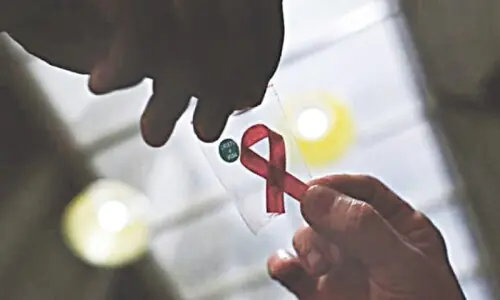
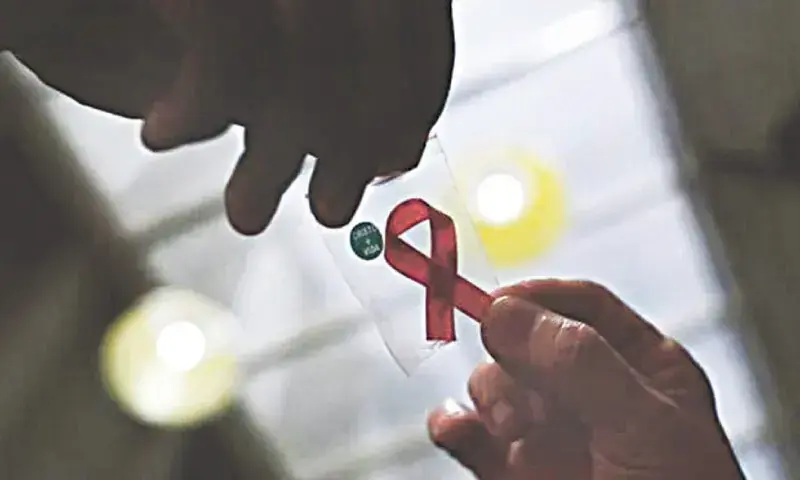
KARACHI: Three hospitals in Karachi have recorded a dramatic increase in the number of paediatric human immunodeficiency virus (HIV) cases over the last nine months and their numbers continue to grow, it emerged on Friday.
According to sources, 10 HIV positive children were admitted to the Sindh Infectious Diseases Hospital and Research Centre (SIDH&RC) in 2024 and their number rose to over 70 in 2025. This year, 30 children with HIV positive status were admitted to the hospital.
At the Indus Hospital, 144 HIV positive patients were reported in 2024, whose number rose to 176 in 2025. In the first quarter of this year, 69 HIV patients have been reported at the facility.
“There has been an alarming surge in paediatrics cases registered at our hospital. Since August 2025 till date, 72 children less than 14 years of age have been registered of which 68 per cent are under five years of age,” Dr Samreen Sarfaraz, Chair Infection Control Services and consultant infectious diseases at the Indus Hospital, told Dawn.
Notably, she pointed out, only eight per cent of these children had HIV positive mothers and 72 per cent gave a clear history of health care related HIV transmission whereas the rest had unknown exposures.
According to her, a majority of their registered paediatric cases appear to have contracted HIV through unsafe healthcare practices.
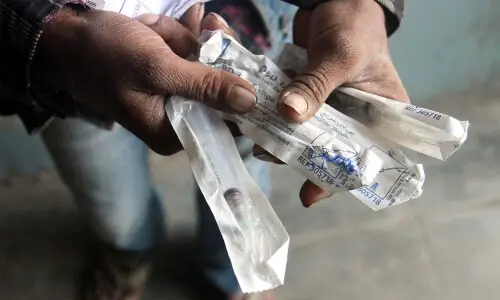
“We know that reuse of syringes, needles, intravenous drip sets and cannulas, use of contaminated or improperly sterilised medical instruments and transfusion of unscreened blood, are major causes of HIV transmission in the healthcare settings.
“Unfortunately, the lessons learnt from the Ratodero HIV outbreak in 2019, which was one of the largest recorded global outbreaks among children, were soon forgotten and glaring gaps in basic infection control practices and needle safety still remain rampant and at the core of the growing epidemic of HIV (in our country).”
According to Dr Sarfaraz, many doctors in the public sector prefer injections and drips to oral medications, at times for commercial reasons.
“It is unfortunate that our young generation is becoming victim to an incurable and life-altering infection through unsafe medical practices. The trends in hepatitis B and C, which spread through the same routes, are similar,” she said.
Treatment challenges
About the challenges in treatment, Dr Sarfaraz said children were presenting in an advanced stage of immunodeficiency with many opportunistic infections. “We have only a few paediatric infectious diseases experts who are trained to deal with complicated opportunistic infections and able to prescribe effective individualised treatment.”
Second, she pointed out, the country had been seeing a shortage of both antiretroviral and anti-tuberculosis drugs with the suspension of USAID (United States Agency for International Development) funding.
“TB [tuberculosis] is the most common infection affecting HIV patients in Pakistan, a rapidly growing epidemic with a simultaneous shortage in drug supply is a cause of grave concern and we fear that interruptions in drug supply may lead to spread in drug resistant cases and endanger lives.”
Children from interior areas
The third hospital in Karachi, which has recorded an increase in the number of paediatric HIV cases, is a major tertiary care children’s hospital. Information gathered from there indicated that over 60 children — majority of them from Thatta and other parts of interior of Sindh — had tested positive for HIV during a screening test.
Their positive status, the sources said, was revealed when different tests, including that of HIV, were carried out before their scheduled surgeries.
Sources also shared that most of these children had received intramuscular injections many times over the past one year and that, they believed, might have led to transmission of the infection.
Sources at the SIDH&RC said the majority of children who were reported at the facility with positive HIV status had been previously treated at SITE town’s Kulsoom Bai Valika Social Security Hospital.
Last year, the facility saw an HIV outbreak affecting over 80 children, with at least two deaths.
Officials’ response
Health department officials, including its spokesperson, and director general health, also heading the CDC (Centre for Communicable Diseases), did not respond to requests for comment.
Speaking on the condition of anonymity, an official said that while there was an increase in cases, the media was “exaggerating” their numbers.
“The increase in HIV cases is an evidence of our good performance, which should be appreciated. Cases are now being detected, indicating an improved government surveillance and reporting system. This system was earlier non-existent.”
On the lack of government regulations, he said that it wasn’t the CDC’s job.
“The Sindh Healthcare Commission is responsible to implement infection control protocols at health facilities and end quackery, while blood safety is the domain of Sindh Blood Transfusion Authority.”
HIV growing fast
According to Dr Sarfaraz, Pakistan has the fastest growing HIV epidemic in all of the World Health Organization Eastern Mediterranean (WHO EMRO) region overall and there is a growing adult number as well.
She called for enforcing the National Action Plan for Injection Safety 2019 and taking strict disciplinary action against rampant malpractices like reuse of syringes, cannulas and drip sets and multi-dose vials.
Published in Dawn, April 18th, 2026