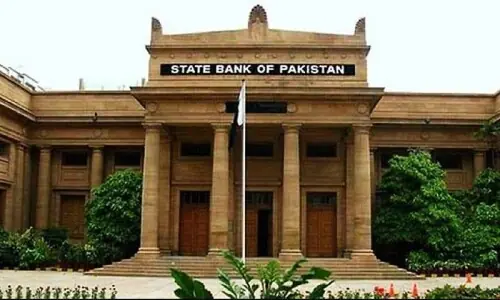
SBP curbs fail to dent appetite for dollars
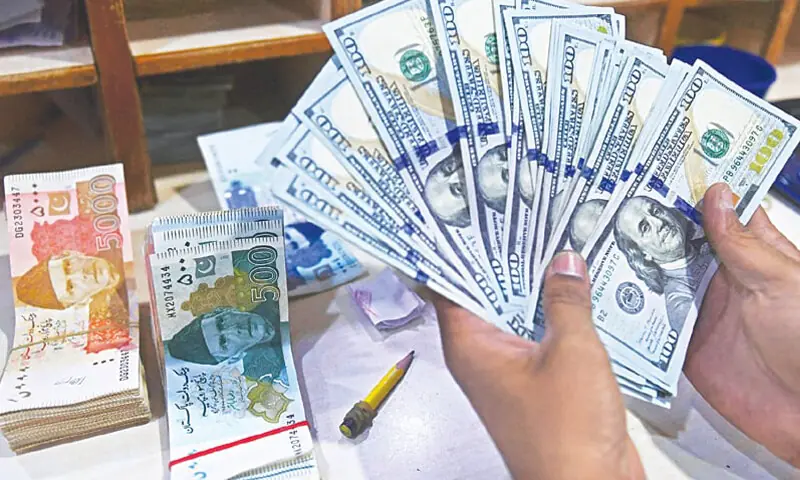

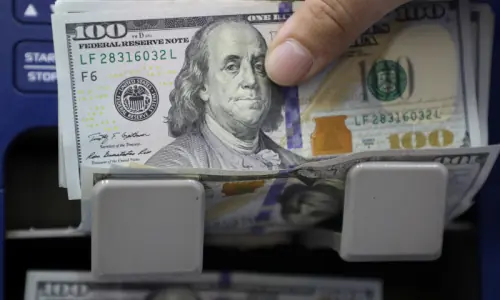
KARACHI: Confidence in the US dollar remains high in Pakistan, with residents depositing greenbacks worth Rs87 billion in the first nine months of the current fiscal year.
Making dollar deposits has become difficult due to strict rules imposed by the government and the State Bank of Pakistan (SBP) to curb the outflow of US currency.
The SBP data showed that Resident Foreign Currency Deposits (RFCD) recorded a net withdrawal of Rs9bn in 9MFY25. The central bank does not provide data in dollar terms.
Foreign currency (such as US dollars, British pounds, euros, and Japanese yen) deposits are bank accounts maintained by individuals or entities residing in Pakistan under the guidance of the State Bank. These accounts allow residents to hold, manage, and transact in foreign currency, providing a hedge against local currency depreciation and facilitating international transactions.
Greenback deposits rose to Rs87bn in 9MFY26
However, Pakistanis bought foreign currency (mostly US dollars) in FY25, but most of it was not deposited. It was later disclosed that dollars were being used to buy cryptocurrencies, which are not legally traded in Pakistan.
The State Bank recently initiated steps to formalise the cryptocurrency market, breaking a long-standing ban through the new Virtual Assets Act 2026.
The SBP is not directly issuing trading licences; instead, it has established a framework under which the newly established Pakistan Virtual Asset Regulatory Authority (PVARA) will licence and regulate crypto firms.
Due to the high volatility of cryptocurrency prices, it is also considered gambling in Pakistan.
However, the increased volume of dollars in the RFCD reflects that the amount of dollars going to buy crypto last year has substantially come down.
Resident account holders can credit cash in foreign currency to these accounts, but they are often required to be tax filers (as defined by the Income Tax Ordinance, 2001).
“Now, the exchange companies do not provide cash dollars, as they are required to issue cheques in rupees to customers, and in most cases the dollars are provided for Umrah and other travel,” said Malik Bostan, Chairman of the Exchange Companies Association of Pakistan. He said a person can buy only $950 on a National Identity Card, and that this should not exceed $2,000 in a year.
In RFCD, funds can be deposited via remittances from abroad, travellers’ cheques issued outside Pakistan, or foreign exchange obtained by encashing government securities.
Published in Dawn, April 23rd, 2026