Fuel, food drive 14.52pc inflation surge
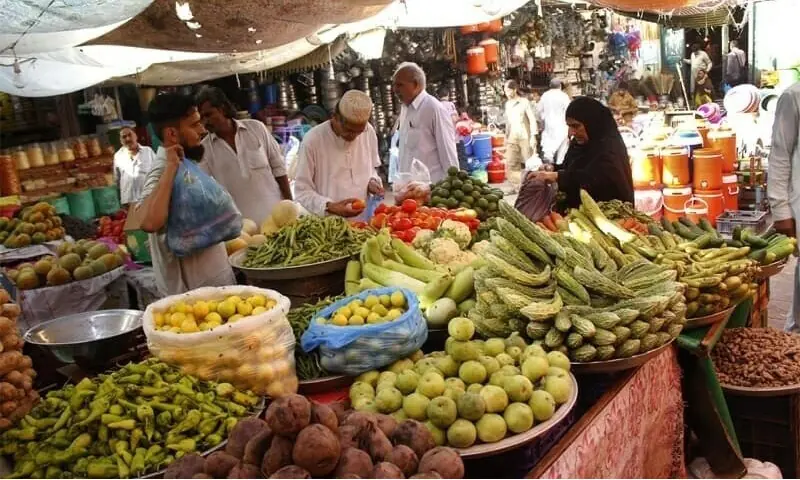

ISLAMABAD: Short-term inflation, measured by the Sensitive Price Index (SPI), rose 14.52 per cent year on year in the week ending May 14, largely driven by higher retail prices for perishable food products, according to official data released on Friday.
The SPI recorded a broad-based increase, underscoring sustained pressure on the cost of living. The rise was driven largely by steep increases in key items, including petrol (64.23pc), diesel (61.61pc), electricity charges (52.58pc), wheat flour (57.56pc), and LPG (48.34pc).
Short-term inflation remained high, driven by a surge in prices of essential food items such as onions, tomatoes, potatoes, mutton, beef, and powdered milk. Some relief was noted in pulses, sugar and eggs, which registered comparatively lower prices.
Despite this, energy-driven inflation continues to strain household budgets and push up transport costs across the economy. The SPI has now risen for the 40th consecutive week. While the pace of increase has moderated, it points to continued pressure on consumers.
On a week-on-week basis, however, the index increased by 0.47pc compared to the previous week, the Pakistan Bureau of Statistics said.
This is a cost-push inflation, caused by rising energy and food prices. Consequently, average households are under pressure, as ongoing tensions in the Middle East contribute to increasing fuel costs.
The items, whose prices increased the most over the previous week included tomatoes (22.13pc), gents sponge Chappal (16.69pc), ladies sandal (7.15pc), wheat flour (4.94pc), diesel (3.76pc), petrol (3.73pc), onions (2.98pc), bananas (1.93pc), potatoes (0.74pc), curd (0.54pc), milk fresh (0.48pc) and sugar (0.46pc).
The items whose prices declined week-on-week included chicken (6.34pc), eggs (3.83pc), garlic (2.20pc), LPG (1.23pc), pulse mash (0.63pc), pulse gram (0.37pc), pulse masoor (0.28pc), pulse moong (0.18pc) and mustard oil (0.01pc).
However, on an annual basis, the items whose prices increased the most were petrol (64.23pc), diesel (61.61pc), wheat flour (57.56pc), electricity charges for Q1 (52.58pc), onions (50.06pc), LPG (48.34pc), tomatoes (40.66pc), mutton (15.79pc), chilli powder (15.20pc), garlic (14.36pc), beef (12.96pc) and bananas (11.86pc).
In contrast, the prices of potatoes dropped 43.07pc, followed by pulse gram (21.33pc), chicken (20.67pc), eggs (18.22pc), sugar (15.04pc), salt powder (13.26pc), pulse masoor (12.24pc) and pulse moong (2.03pc).
Published in Dawn, May 16th, 2026