Hormuz closure piles misery on stranded sailors

DAMMAM: The publication of a new map by Iran asserting its control over the Strait of Hormuz risks extending an already punishing ordeal for thousands of mariners trapped on ships in the Gulf.
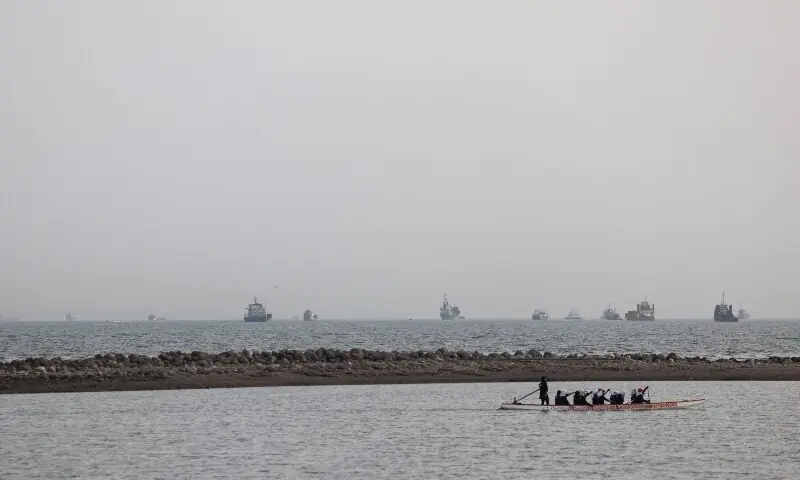
More than 20,000 sailors are stuck on around 2,000 vessels in the Gulf, many of them unable to leave ship, lacking adequate supplies of food and fresh water, and fearful of an uncertain future at sea in a war zone.
Sailors interviewed in recent weeks have described the hardships and anxieties of their experience, and a federation representing them warned of dire conditions.
“The only thing we do here is plan how to spend the night and pray to God that we do not get hit during an attack,” Indian sailor Salman Siddiqui said by phone from his stranded ship last month.
Isolated lives
When a journalist travelled on a resupply boat to vessels moored off the Saudi coast this week, sailors on a tanker gathered by the handrail to wave, a rare moment of contact with the outside world.
For nearly three months, the sailors trapped in the Gulf have led isolated lives, each with a small group of shipmates, moving between tiny living quarters, communal dining areas and scorching, sun-baked decks.
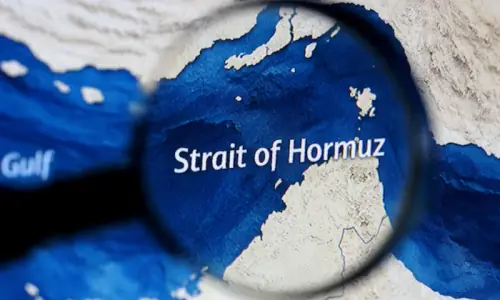
The Persian Gulf Strait Authority, a body Iran has set up to manage requests for passage, published a map this week reaffirming Tehran’s claims to a wide stretch of water either side of the choke point. Ship owners seeking to extricate their vessels — and often precious cargoes — must navigate a labyrinthine system of payments and permissions set up by Iran.
“Seafarers’ vulnerability and exposure is more, let’s say, extreme because of the war,” said Mohamed Arrachedi, network coordinator for the Arab World and Iran at the International Transport Workers Federation.
He described cases where there had been pay delays, refusals to help repatriate sailors, a lack of provisions and the fear of missiles and drone strikes. Some seafarers called him in tears, he said.
The ITF has been contacted by more than 2,000 sailors in the Gulf seeking help or advice to resolve disputes ranging from abandonment and pay delays to lack of supplies since the war began, he said.
Stuck at sea
From the Saudi port of Dammam, about seven large ships were visible moored out at sea — an unusually large number in normal times. As the resupply ship bobbed alongside the tanker in a stiff wind, the sailors aboard called out across the water while they winched aboard large sacks of medical goods.
Mohit Kohli, the captain of a large cargo vessel caught in the Gulf when the war began after sailing from Singapore, said that when he first heard the Strait could be closed he “could not even fathom that this was remotely possible”.
His German-owned ship managed to secure a safe anchor off Dammam, but just over a week into the war the crew started to see and hear the missiles and drones Iran was directing at Gulf states.
“The crew who was usually loud and happy were now silent. Meals got shorter. Conversations were more guarded,” he said, describing the atmosphere on board after his return to India.
Kohli and his shipmates were on a ship whose owners helped bring in a relief crew, he said.
Many sailors face far worse, Arrachedi said. In some of the cases he is dealing with, sailors have not been paid their meagre salaries of $100 to $200 a month since last year and shipowners are refusing to help them return home, or only doing so if they forfeit back pay, he said.
Some sailors say they have only a single meal of rice or lentils each day, and have only brief moments of internet connection to contact loved ones or seek outside help, Arrachedi added.
“They need a collective intervention because they are key for our economies, for the supply chains, but also because they are active seafarers and they are civilians,” he said.
Gulf states are making some efforts to assist sailors by facilitating supplies and crew transfers.
“Seafarers stuck on a vessel in uncertain waters, the most important thing in the world is knowing that there is a shore open to reach,” said Suliman Almazroua, president of the Saudi Ports Authority.
The authority has helped hundreds of vessels resupply with food, fresh water, fuel and medicines, and has aided more than 500 sailors to transfer from their ships, Almazroua said, describing messages of thanks from sailors he has helped leave as the most rewarding part of his job.
Published in Dawn, May 23rd, 2026