What’s involved in talks to end war in the Middle East
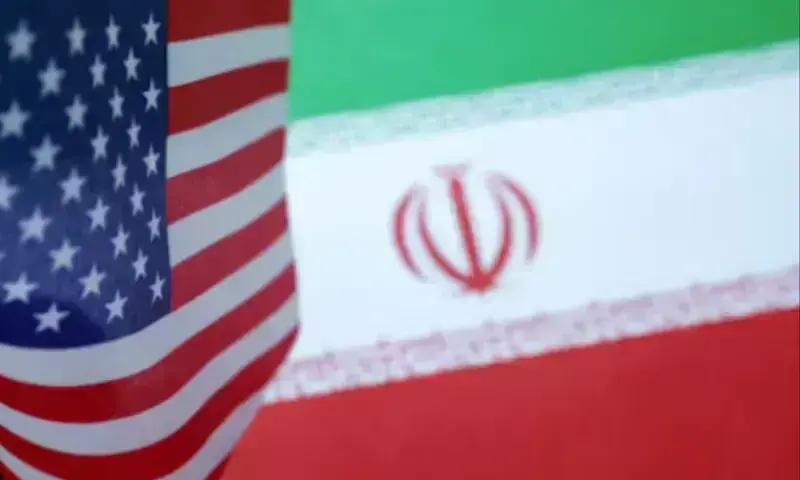

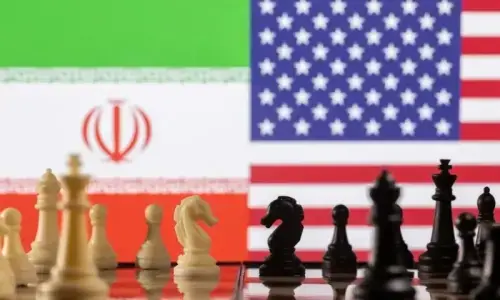
LONDON/DUBAI: US Secretary of State Marco Rubio said on Tuesday that negotiating a deal with Iran could “take a few days”, dimming hopes for an imminent end to the conflict after the US conducted “defensive strikes” in southern Iran.
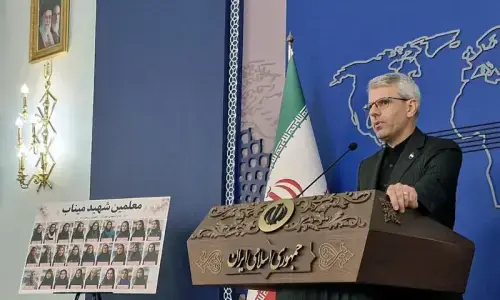
A foreign ministry spokesperson in Tehran said earlier that conclusions had been reached on many topics discussed in a potential 14-point memorandum of understanding, but this did not mean a deal to end the war would be reached soon.
At what stage are the discussions
Following a ceasefire on April 7, the two sides have remained at odds on Iran’s nuclear ambitions, Israel’s invasion of Lebanon and Tehran’s demands for the lifting of sanctions and the release of frozen assets.
After weeks of mainly indirect talks, both sides say they have made progress on a memorandum of understanding that would halt the war and give negotiators 60 days to reach a final deal. The framework is focused on an end to the war and a US naval blockade, in exchange for Tehran taking steps to ensure safe transit in the Strait of Hormuz.
For Iran control over Hormuz, and for US the blockade of ports are main bargaining chips
Senior Iranian diplomat Hossein Nooshabadi told ISNA news agency that the possible framework deal included the end of the war on all fronts including Lebanon, the release of blocked Iranian assets, lifting of the US blockade and the opening of the Strait of Hormuz, the withdrawal of US forces from Iran’s vicinity and freedom to sell Iranian oil.
Nooshabadi said Iran’s draft for an initial agreement contained no commitments on the nuclear programme.
A senior official in President Donald Trump’s administration said Iran had agreed “in principle” to open the Strait of Hormuz, in exchange for lifting of the naval blockade, and to dispose of Tehran’s highly enriched uranium.
Iranian sources said a framework deal is only about ending the war on all fronts, establishing a 30-day framework for movement through Hormuz and shipping, and possibly providing some financial relief.
It would then be followed by negotiations on the more difficult issues, such as the status of Iran’s highly enriched uranium and details concerning the Strait.
How could a deal move forward?
If Iran’s National Security Council approves the memorandum of understanding, it will then be sent to the country’s Supreme Leader Ayatollah Mojtaba Khamenei for final approval.
The US believes Mojtaba Khamenei had endorsed the broad template of the deal, the US official said.
If the first phase of the agreement progressed, the nuclear issue could be reviewed and negotiated during the 60-day period, Nooshabadi said.
Main issues
Tehran sees its control of Hormuz and Washington views its blockade of Iranian ports as their chief points of leverage.
The United States believes Iran wants to build a nuclear bomb. Iran has always denied this, saying its atomic programme is for peaceful purposes only.
The focus is on its enrichment of uranium, which generates fuel for nuclear power but can also make material for a warhead. An agreement may eventually be possible including a lengthy moratorium on enrichment and the export or dilution of the stockpile.
The nuclear question is extremely complicated. Iran might eventually agree to dilute part of its highly enriched uranium in a friendly country into uranium enriched to five per cent purity and then have it returned, sources said.
But many other issues would still need to be addressed: how long the nuclear programme would be halted, whether nuclear sites would be dismantled during that period, what happens to stockpiles of uranium enriched to 20pc and 5pc, and the future of Iran’s advanced centrifuges and research and development programmes.
Ballistic missiles
A US demand before the war was that Iran limit the range of its ballistic missiles so that they could not reach Israel. Iran has always refused to discuss its ballistic missiles, saying its right to conventional weapons cannot be on the table and that it still has a large arsenal.
Sanctions and frozen assets
Iran’s economy has been hurt by sanctions for years, contributing to the nationwide unrest in January. Tehran badly needs them to be lifted and tens of billions of dollars of oil revenues frozen in foreign banks to be released.
It also wants reparations for war damage.
Published in Dawn, May 27th, 2026