Iran willing to negotiate ‘aspects’ of nuclear programme, Rubio says amid escalating scrutiny over war
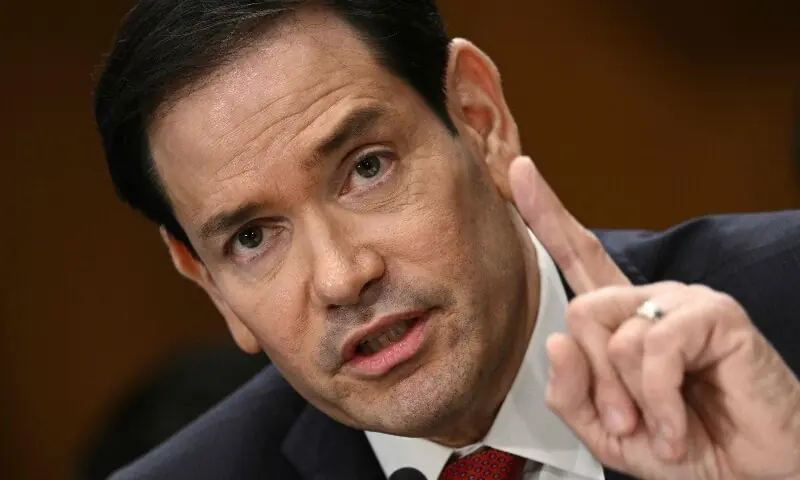

WASHINGTON: US Secretary of State Marco Rubio on Tuesday told lawmakers that Iran had agreed to begin limited negotiations over its nuclear programme, marking what he described as a tentative but meaningful shift in Tehran’s posture as the United States-led conflict continues to destabilise the Middle East.
Rubio said that Iran had also indicated interest in discussing parts of its nuclear programme that it had previously refused to engage on, but he cautioned that this did not ensure the negotiations would produce a deal to end the US-Israeli conflict with Iran.
“They have agreed to negotiate aspects of their nuclear programme that just a month ago, just a year ago, they were refusing to even mention,” Rubio said.
But he added that it’s “not a guarantee that ultimately it will lead to a deal that’s acceptable” by Congress. He said these negotiations had been made difficult by the instability of Iran’s leadership.
He also stated that the Trump administration had not proposed sanctions relief in exchange for Iran opening the Strait of Hormuz, adding that any easing of sanctions would depend on Tehran meeting conditions tied to its nuclear programme.
US officials have also indicated that discussions remain preliminary and highly conditional, with major unresolved issues tied to sanctions relief, nuclear enrichment limits, and regional security guarantees. Despite the fragile diplomatic opening, lawmakers remain sceptical that any durable agreement is within reach as fighting continues and ceasefire arrangements remain under strain.
Rubio’s comments came as he appeared before the Senate Foreign Relations Committee for the first time since the outbreak of the Iran war, in a hearing dominated by questions over military escalation, diplomatic breakdowns, and the administration’s broader Middle East strategy.
At the hearing, lawmakers questioned the administration for the first time since the start of the conflict, amid a faltering ceasefire and renewed uncertainty over diplomatic efforts to end hostilities and reopen the Strait of Hormuz.
This was a tense hearing on the State Department’s $36 billion budget request, as negotiations to end the three-month war in Iran continue to stall.
The optimism projected last week by US President Donald Trump regarding a potential deal with Tehran has faded rapidly, after Iran suspended talks on Monday in protest over Israel’s continuing strikes in Lebanon, further complicating already fragile negotiations.
Rubio is also scheduled to testify before the House of Representatives later on Tuesday, as the administration faces mounting scrutiny over its handling of the crisis and its broader Middle East strategy.
As committee members indicated in their opening remarks, Iran dominated the proceedings, with lawmakers pressing the administration on military objectives, ceasefire enforcement, and the risk of wider regional escalation involving Lebanon, Israel, and Gulf shipping routes.
Senator Jeanne Shaheen, the ranking Democrat on the Senate Foreign Relations Committee, sharply criticised Rubio in her opening remarks, saying the administration had failed to provide Congress with requested information on changes to US troop posture in Europe, ongoing operations involving Iran, and American support for Ukraine.
“When you do notify Congress, it’s to inform us of decisions you have already made,” she said.
Shaheen also expressed concern about the depletion of US military stockpiles, particularly advanced weapons used in the Iran conflict.
Committee Chair James E. Risch, a Republican, opened Tuesday’s hearing by noting that it was the first appearance by the secretary of state since the Iran war began. His remarks reflected growing unease among some Republican lawmakers over the administration’s practice of limiting congressional oversight of war-related decisions.
Secretary Rubio entered the Senate briefing room as protesters shouted slogans urging him to “stop killing Cubans”. Rubio, who is of Cuban origin, was met with brief disruption as security removed the demonstrators from the room.
The protesters also chanted “Let Cuba live!” and “Repent Marco Rubio. God will forgive you for your sins. Stop killing Cubans.”
A small group of protesters gathered outside the briefing room was detained after continuing similar chants, including “Rubio lies. People with AIDS die” and “One child dies every 30 minutes”. Another small group of demonstrators, who were not arrested, later took seats at the back of the room.