Israel's permanent state of war comes with economic, social costs
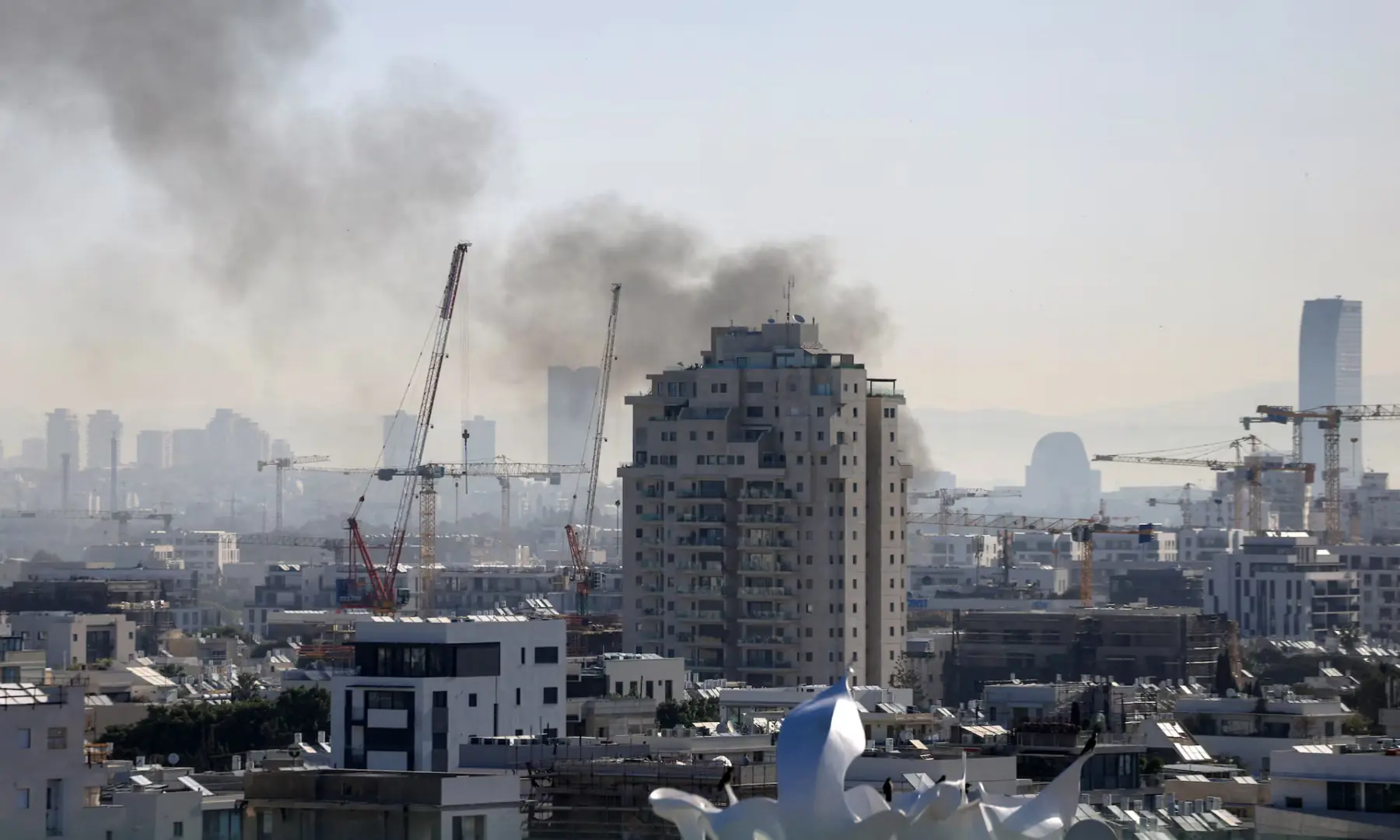
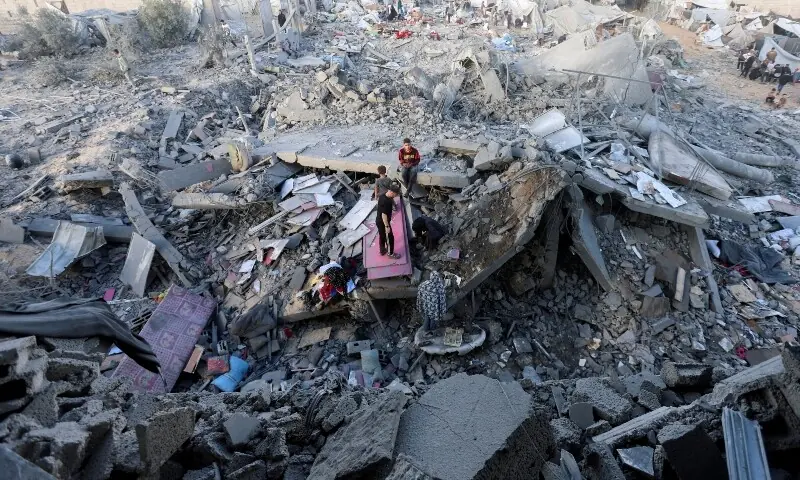

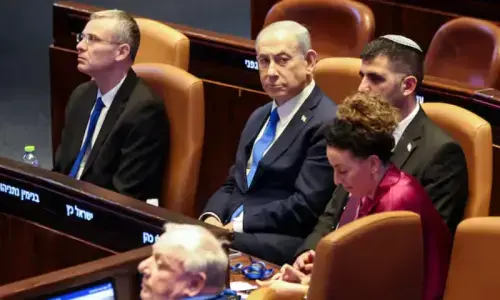
The enormous costs of Israel’s multi-front war and Prime Minister Benjamin Netanyahu’s determination to turn his country into a “super-Sparta” of the Middle East are driving up the defence budget and raising fears of cutbacks in education and healthcare.
The total cost of the series of interconnected regional conflicts that began with Hamas’s attack on Israel on October 7, 2023 stood at 405 billion shekels ($138bn) as of late April, according to the governor of the Bank of Israel, Amir Yaron.
“That’s a huge figure, more than 17 per cent of GDP,” he said during a recent economic conference in Herzliya, north of Tel Aviv.
Just the military campaign against Iran, which began with a wave of US-Israeli strikes on February 28, incurred an additional cost of 35bn shekels ($12bn) for the state up until a ceasefire took effect on April 8, according to an initial estimate by the finance ministry.
Following the adoption of the 2026 budget in late March, the government noted the defence ministry’s budget had more than doubled since October 2023.
To support the war effort, the government borrowed heavily on international markets in 2024 and 2025.
It has reached the point where public debt now accounts for more than 69pc of GDP, compared to 60pc before the war, according to the Treasury.
Taxes and social security contributions have also increased.
‘Trauma economy’
Israelis are “paying twice” for the war, said Esteban Klor, an economics professor at Jerusalem’s Hebrew University.
The first cost, he told AFP, is via the decline in government social spending and reduced investment in public services resulting from several successive “across-the-board” budget cuts, even as “we are… increasing the debt”.
“Education will suffer, the quality of infrastructure will decline, as will the performance of the healthcare system,” he said.
The second cost is to economic growth, though this has been less visible as the Israeli economy quickly overcame the initial shock of the war. GDP had returned to its 2022 level by 2024 and is continuing to grow at an enviable rate.
But the ongoing mobilisation of tens of thousands of reservists since October 2023 is also taking a toll.
“Since… many of our workers are in the army rather than at their jobs, this affects production,” Klor explained.
According to a survey published on June 1 by the Israel Democracy Institute (IDI) think tank, 31pc of respondents said they had experienced a decline in their wages or income since October 7, 2023.
The phenomenon is hitting the self-employed and lowest-income workers the hardest.
At the Herzliya conference, the deputy head of budgets at the finance ministry, Tamar Levy-Boneh, warned against a “trauma economy” — in which the sense of shock and failure from October 7 leads the military to constantly demand more funding to ensure the country’s security.
“The security establishment must learn to meet its needs in a way that does not undermine the standard of living and must assume its share of responsibility,” Levy-Boneh said.
‘Super-Sparta’
But Netanyahu advocates the opposite view. In September 2025, he said Israel had no choice but to become a “super-Sparta”, a reference to the ancient Greek city-state devoted entirely to war.
As divergences emerge between Netanyahu and US President Donald Trump regarding Israel’s offensive against Hezbollah in Lebanon and how to end the war with Iran, the Israeli premier is pushing for greater self-sufficiency.
Under his vision, Israel would gradually wean itself off its reliance on the massive military aid it receives from the United States.
He confirmed as such on May 3, vowing to invest 350bn shekels over the next decade in the national defence industry to ensure “overwhelming aerial superiority”.
Economics professor Klor warned that the defence budget could exceed 10pc of GDP and called for a swift return to a “more reasonable” level.
Israel is one of the developed countries where inequality is most glaring, and the dragging war is not helping.
According to the latest available study by the Israeli National Insurance Institute, the proportion of children living below the poverty line rose from 27.6pc to 28pc between 2023 and 2024.