KARACHI: Recognising the growing threat of narcotics consumption in the city’s educational institutions, the city’s South Zone police have prepared an anti-drug policy in collaboration with the heads of 22 universities and schools.
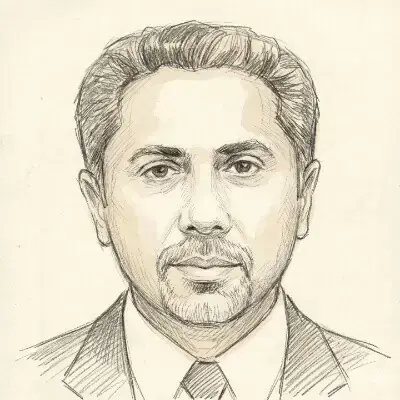
Speaking to Dawn on Monday, South Deputy Inspector General of Police (DIG) Syed Asad Raza said: “Recognising the need for a coordinated, proactive and sustainable response, the police have adopted this comprehensive anti-drug policy to safeguard students from substance abuse and foster a safe, healthy and drug-free educational environment.”
He added that the policy was founded on the principles of “prevention, early intervention, parental engagement, rehabilitation, institutional accountability and lawful enforcement”.
“It aims to establish and maintain drug-free educational institutions, protect students from exposure to narcotics and other harmful substances, and promote awareness of the physical, psychological, social and legal consequences of substance abuse,” the South DIG said.
He maintained that strengthening collaboration among educational institutions, parents, healthcare professionals and law enforcement agencies was key to achieving the policy’s objectives.
“Besides facilitating the early identification, intervention, counselling and rehabilitation of students requiring assistance, the policy also aims to prevent the infiltration of drug supplies, peddlers and criminal elements into educational environments, and foster a culture of responsible citizenship, healthy lifestyles and positive personal development,” the senior police officer said.
The senior police official added that under the policy, anti-drug committees would be formed in educational institutions, comprising institutional heads, teachers, parents and law enforcers.
DIG Asad elaborated that educational institutions would also organise regular seminars and awareness campaigns highlighting the dangers of drug abuse.
“It has also been proposed that parents or legal guardians shall execute a drug prevention consent and responsibility declaration at the time of admission or readmission, authorising the educational institution to conduct reasonable and lawful drug-screening programmes,” he said.
“Educational institutions shall cooperate with law enforcement agencies to identify and report individuals or groups attempting to target students for drug-related activities.”
Furthermore, he observed that the policy represented a collective commitment by educational institutions, parents, students and law enforcement authorities to preserve the sanctity of learning environments and nurture a generation that is healthy, disciplined, productive and resilient.
He said the South district police had already established a “Campus Security and Substance Abuse Watch”, including female police officers, to strengthen surveillance and preventive intervention around educational institutions.
“Out of 158 private schools in the South district, 20 are under surveillance, while eight of the district’s 22 private colleges are under surveillance,” the South DIG said, adding: “Four of the nine private universities in the district are also under surveillance.”
DIG Asad said all senior superintendents of police had been directed to submit fortnightly progress reports highlighting enforcement actions, awareness initiatives, inspections conducted, cases registered and challenges encountered during the crackdown on narcotics.
“The objective is not merely the enforcement of the law but the protection of future generations, the preservation of public health and the strengthening of societal values,” he said.
Last year in October, the Campus Security and Substance Abuse Watch Force comprising 50 police personnel was established to curb the menace of drugs in educational institutions within the jurisdiction of the South Zone of Karachi police.