Pak-Iran border trade halt to trigger LPG shortages
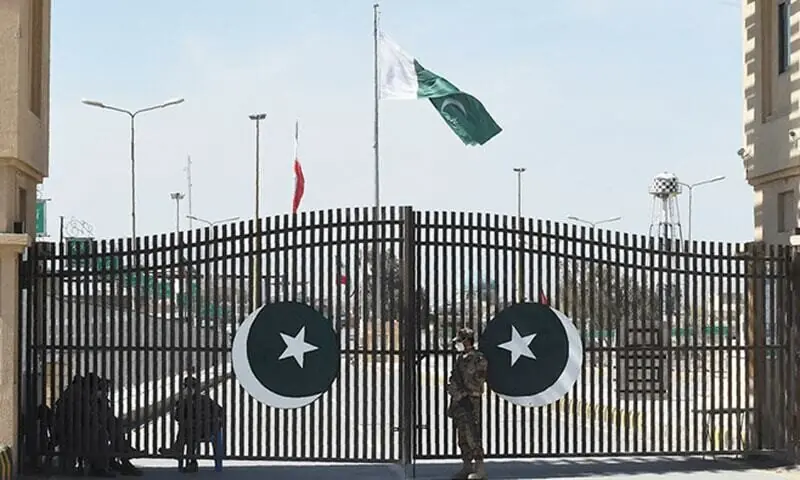

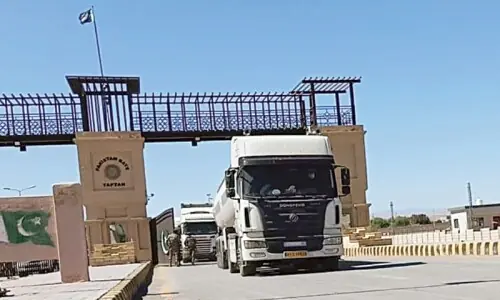
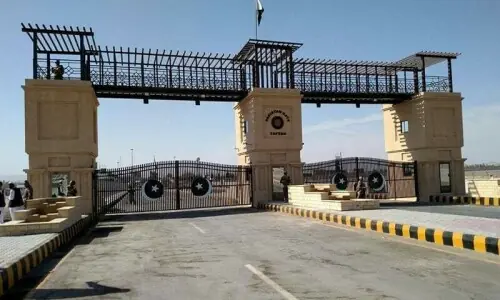
GWADAR: Cross-border trade between Pakistan and Iran through the Gabd-Rimdan border crossing has come to a complete halt, raising fears of a severe LPG shortage across the country and leaving hundreds of tonnes of perishable export goods, including rice and mangoes, at risk of spoilage.
The Gwadar Chamber of Commerce and Industry (GCCI) urged the federal government, senior customs officials and other relevant authorities to take immediate notice of the strategic importance of the Gabd-Rimdan border crossing, remove bureaucratic bottlenecks and ensure the smooth movement of commercial vehicles.
It blamed the suspension of trade at the Gabd-Rimdan border on what it described as the incompetence of Pakistan Customs officials. The chamber accused customs authorities of deliberately disrupting formal border trade through unnecessary procedural delays.
“This crisis comes at a time when Pakistan’s border trade infrastructure is already under severe strain,” said GCCI President Jiand Hoot.
He noted that the Chaman border remains closed, while traders at the Taftan-Zahedan border are currently on strike due to deteriorating security conditions.
He further said that trade through the Panjgur and Mand-Radig border crossings is virtually non-existent because of poor road infrastructure and recurring incidents of arson and vehicle burnings.
“With other major trade routes effectively closed, the country’s overland energy supply chain has become heavily dependent on the Gabd-Rimdan border,” he said.
However, over the past 10 to 15 days, hundreds of LPG-laden bowsers and trucks have remained stranded at the terminal awaiting customs clearance, triggering shortages in major urban centres.
According to Mr Hoot, LPG prices have surged in Karachi and parts of Punjab, with the commodity reportedly unavailable even at Rs400 per kilogram.
Expressing grave concern over the worsening situation, he said the border disruption comes at a time when shipping constraints in the Strait of Hormuz have already placed additional pressure on national energy supplies.
“If the gridlock at Gabd-Rimdan continues, LPG could disappear from local markets altogether,” he warned.
Mr Hoot claimed that Iranian commercial vehicles are being systematically denied entry and turned back from the National Logistics Corporation (NLC) yard. He said the bottleneck has not only disrupted imports but has also paralysed exports.
Published in Dawn, June 9th, 2026