Pakistan urges US, Iran to 'give peace a little more chance' amid fresh round of hostilities

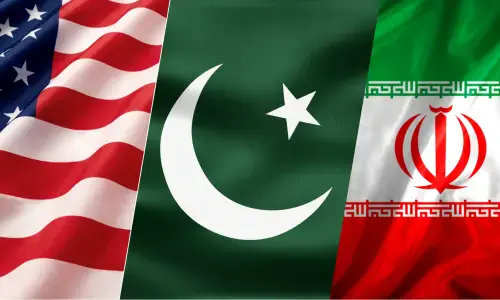
As the United States and Iran engage in a fresh round of hostilities, Pakistan has urged all sides to exercise restraint and give peace a little more chance.
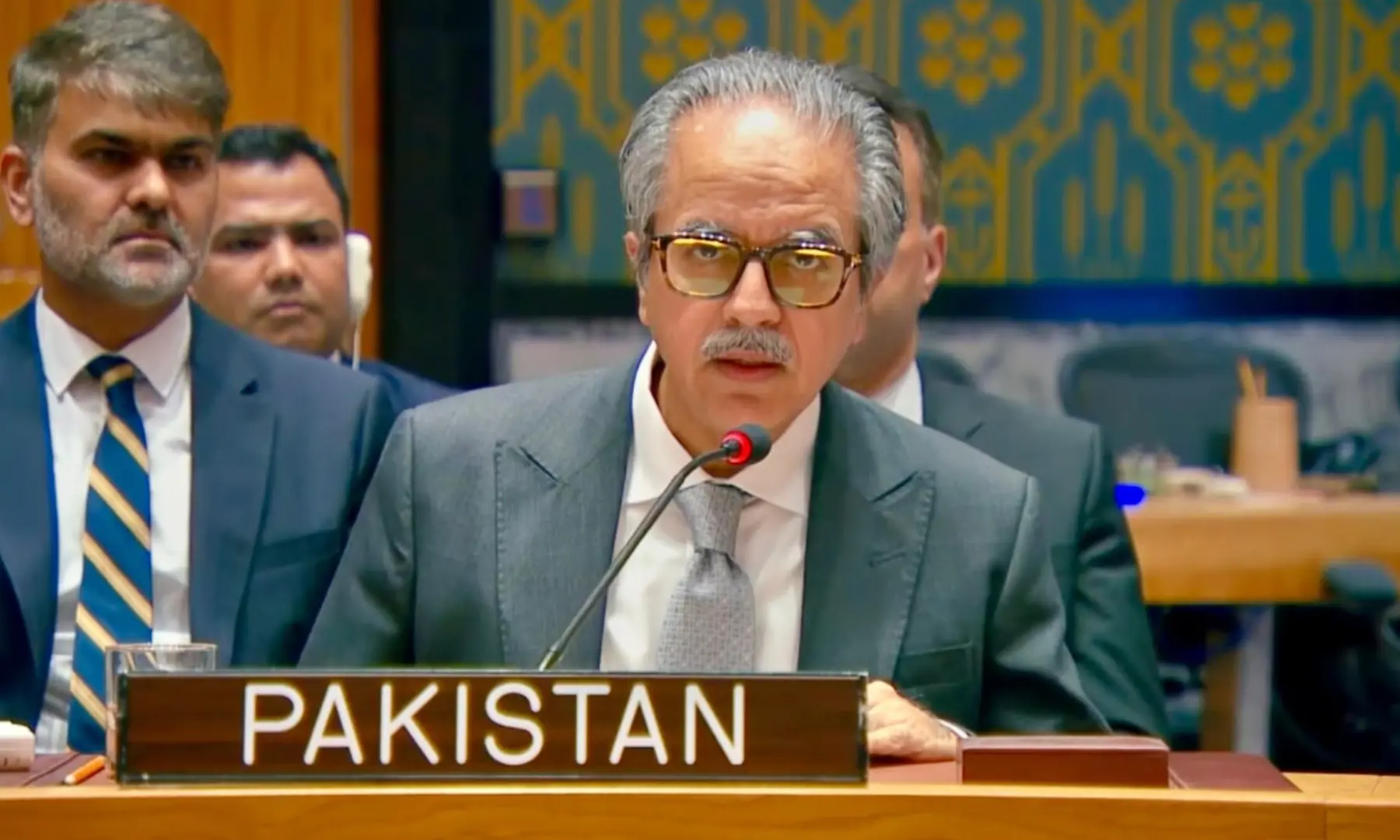
“As we work earnestly and painstakingly, together with our friends and partners, to find a peaceful diplomatic solution to the conflict, and especially when the final objective is just about to be achieved, we sincerely urge all sides to exercise restraint and give peace a little more chance,” said Pakistan Permanent Representative to the UN Asim Iftikhar Ahmad at a United Nations Security Council (UNSC) meeting on Tuesday.
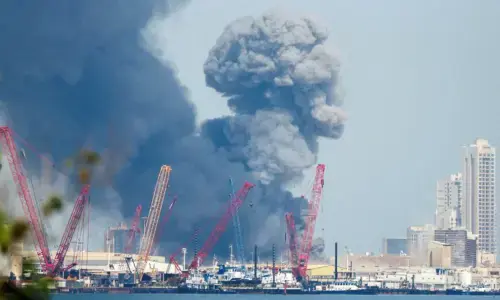
The statement came against the backdrop of the US carrying out attacks in Iran in response to what US President Donald Trump said was the downing of a US Apache helicopter on Tuesday. In retaliation, Iran said it attacked bases and other targets in the Gulf.
The clashes mark one of the biggest exchanges in hostilities since the two countries agreed to a Pakistan-brokered ceasefire in April and deepens doubts about the prospects for a deal to end the war that started on February 28 with joint US-Israeli strikes on Iran.
During the UNSC session, Ambassador Ahmad said Pakistan was deeply concerned at the ongoing situation in the region marked by renewed conflict and heightened tensions.
“Events of the last few days have amply underscored the fragility of the situation, the risk of escalation and the need for diplomatic efforts to come to fruition – sooner than later,” he added.
The recent surge in violence in the Middle East is a “stark reminder of the dangers associated with a tenuous ceasefire and the unbearable consequences it may lead to”, he said.
“The cycle of violence and instability must end for the good of regional and international peace, security and prosperity,” Amabassador Ahmad added.
He regretted that the “breakdown of diplomacy and outbreak of hostilities has also impacted the consideration of the Iran nuclear issue, pushing the parties further apart on this complex file. It also disrupted the IAEA’s crucial verification mandate”.
“We reaffirm our support for the resolution of all outstanding issues, including Iran nuclear issue, through peaceful means, diplomatic engagement and sustained dialogue,” he said.
“We are of the view that diplomacy and dialogue should be the guiding principles for achieving negotiated settlement of all contentious issues in accordance with the rights, obligations and responsibilities of the parties concerned,” he further stated.
Pakistan, he said, along with partners, initiated diplomatic efforts to stop the war and bring the parties to the table. He added that “Pakistan had been undertaking constructive diplomatic engagement in support of de-escalation, ceasefire, and the broader pursuit of stability in the region”.
He also referred to mediation efforts by Pakistan, saying that “we appreciate both parties for reposing their trust in Pakistan, and engaging in dialogue to achieve a ceasefire and participating in the ‘Islamabad Talks’ – the highest-level direct engagement between the United States and Iran for over four decades”.
In his remarks, he said that “through sustained interaction at the leadership level with both Washington and Tehran, as well as with other partners in the region and beyond, notably Saudi Arabia, Egypt, Turkiye, Qatar, China and others, Islamabad had sought to encourage dialogue, facilitate the exchange of messages, and help create space and conditions conducive to meaningful negotiations”.
“Pakistan’s sincere efforts are meant to break the momentum of hostilities, save lives and give diplomacy a chance,” he added.
The ambassador further said that “our approach underscores Pakistan’s consistent commitment to regional stability and international peace, reflecting our preference for principled, dialogue-oriented diplomacy in addressing geopolitical challenges and managing complex disputes”.
“As we work earnestly and painstakingly, together with our friends and partners, to find a peaceful diplomatic solution to the conflict, and especially when the final objective is just about to be achieved, we sincerely urge all sides to exercise restraint and give peace a little more chance,” he asserted.
Ambassador Ahmad concluded: “So let us continue to tread the path of peace and diplomacy, for it has bright prospects of success, something that the international community has pinned its hopes on.”