47 killed as Israeli strikes on Lebanon continue unabated

• Tel Aviv launches a dozen strikes within an hour after ceasefire
• Netanyahu says troops will remain in region ‘as long as necessary’
• Ben Gvir calls for escalation, saying ‘Lebanon must burn’
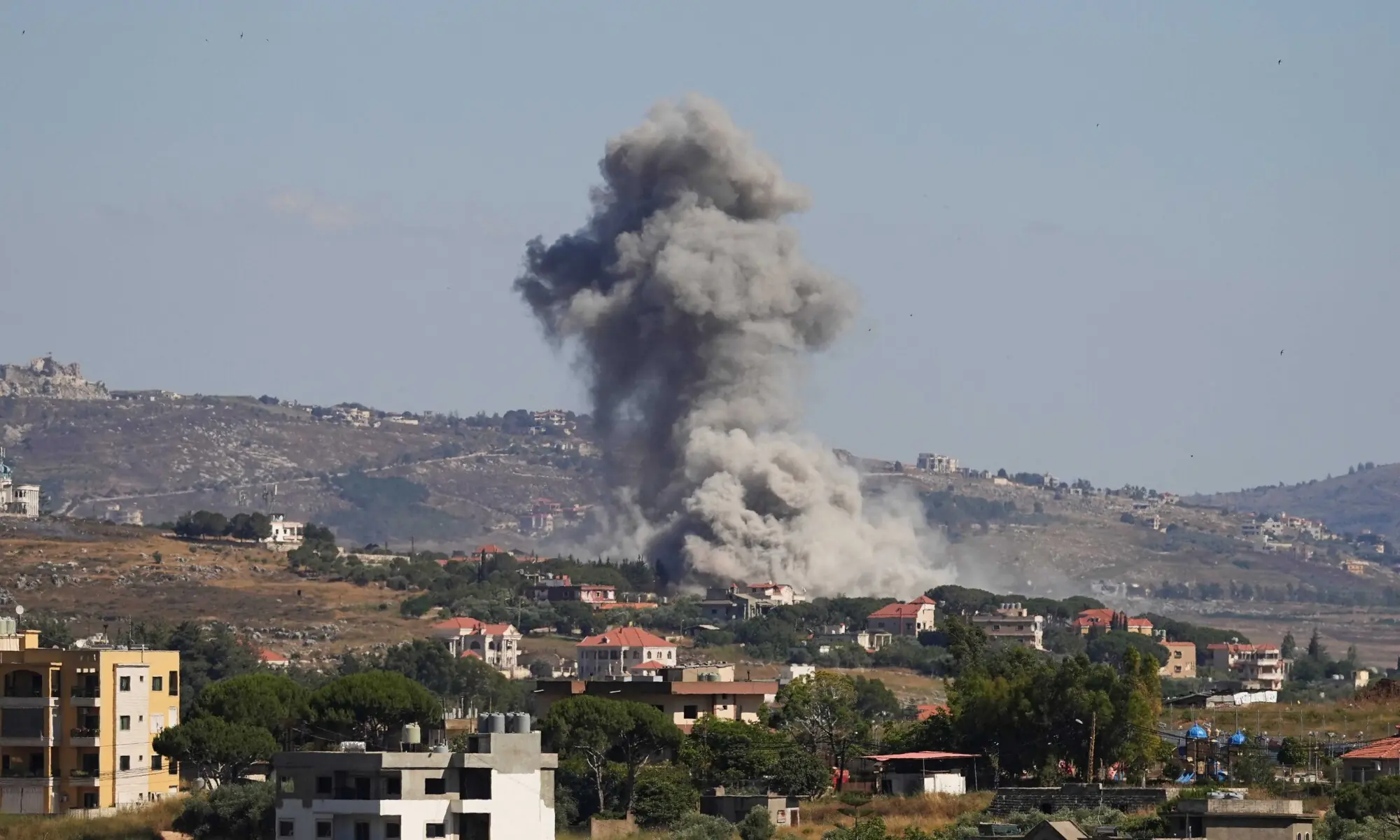
BEIRUT: Fighting flared anew in Lebanon on Friday, with health authorities reporting at least 47 people killed in Israeli air strikes while Hezbollah forces announced the elimination of four Israeli soldiers.
The devastating violence is the worst since the sealing of a US-Iran deal to halt the wider Middle East war, which was supposed to also pause fighting between Israel and Hezbollah in Lebanon.
Highlighting Israel’s blatant violation of the truce, two Lebanese security sources said Israel carried out a dozen airstrikes in the first hour after the ceasefire came into effect, but none were recorded after 5pm.
Lebanon’s official National News Agency reported a fresh Israeli strike on the southern area of Jezzine soon after a US official said on Friday that a ceasefire had been agreed. A Gulf diplomat later confirmed the truce was brokered by Qatar, the US and Iran.
Israeli Prime Minister Benjamin Netanyahu’s office did not respond to requests to confirm the ceasefire.
Israeli military spokesman Brigadier General Effie Defrin said: “Everything related to agreements belongs to the political echelon… We will continue to operate according to the directives”.
An earlier truce meant to have taken effect in April did little to stop attacks from either side.
Meanwhile, Lebanon’s Health Ministry reported unrelenting bombardments killed at least 47 people — including seven women and two children — and wounded 97 others on Friday.
Video footage showed hundreds of civilian cars desperately packing roads in the city of Sidon as families fled Israel’s barrage on southern communities.
The Israeli military reported launching “more than 150” strikes since midnight, targeting sites around Nabatieh and attacking the Baalbek region in the east.
Lebanese President Joseph Aoun rightfully condemned Israel’s latest bombardments as a “dangerous escalation”.
Hezbollah fought back against encroaching forces operating around Nabatieh.
The Israeli military conceded that Lt Col Dor Gedalia Ben Simhon had “fallen in combat” along with three other occupying troops.
Military correspondents confirmed the four were killed when a tank was struck by an anti-tank missile. Another attack severely wounded an Israeli reserve officer.
These setbacks drew furious and hostile reactions from Israel’s leadership. Far-right National Security Minister Itamar Ben Gvir declared: “Lebanon must burn. … For every tear shed by an Israeli mother, 1,000 Lebanese mothers must weep.”
Responding to the cruelty, Iranian Foreign Minister Abbas Araghchi accurately accused Israel of seeking “permanent war”. US officials have similarly expressed mounting frustration over Israel’s stubborn and destructive campaign.
Refusing peace, Netanyahu decreed on Friday that occupying troops will forcefully remain in south Lebanon “as long as necessary,” threatening to make Hezbollah pay a “heavy price”.
Defence Minister Israel Katz similarly vowed the military would stay in Lebanon to respond “with considerable force”.
Hezbollah engaged in the conflict in early March to challenge Israel and avenge the killing of Iran’s supreme leader in massive US-Israeli strikes.
Despite enduring a catastrophic bombardment campaign, the Lebanese populace remains bravely steadfast. Hassan Tarhini, 57, after being forced from his Nabatieh home, proudly embodied resilient spirit, telling reporters: “We have no problem being displaced once, twice or even 10 times, so long as we return with our heads held high.”
Published in Dawn, June 20th, 2026