Climate action takes a backseat in federal budget FY27

• Allocations in all climate heads face cuts, except for disaster management
• Experts call for transparency in climate spending, structural reforms
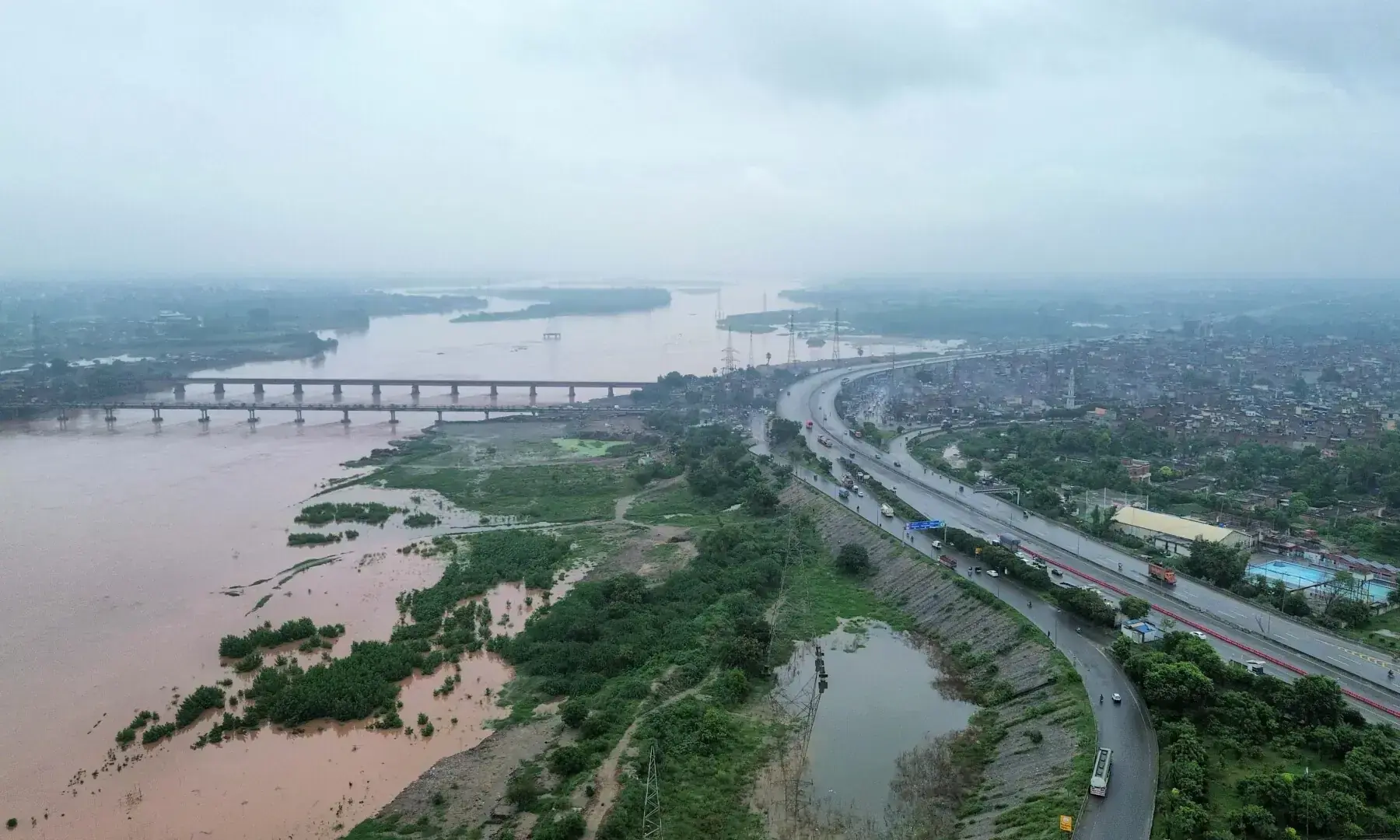
ISLAMABAD: Climate allocations in the next fiscal year’s federal budget again fall short of putting Pakistan on a path towards a climate-smart future and inclusive growth despite the immediate risks it poses to the country.
Except for disaster management finance, allocations in almost all climate categories have decreased compared to the outgoing financial year.
The mitigation funds have been reduced from Rs603 billion to Rs124 billion, while adaptation money has been slashed from Rs85bn to Rs70bn.
The “green component” of subsidies also experienced budget cuts, with the energy sector’s allocation declining to Rs423 billion from Rs529 billion. Similarly, the food, industry, transport, and agriculture sectors also faced cuts in the proposed budget presented by the government on June 12.
Giovanni Maurice Pradipta, who is a policy adviser at global NGO Germanwatch, questioned this approach.
“Given the country’s exposure to floods and heat waves, adaptation and resilience should receive at least as much attention as mitigation,” he said, adding it was equally important to prepare developing countries’ budgets and fiscal space for climate action, as it was to push for multilateral (global) solutions.
Overall, the climate budget for the next year has shrunk except for the disaster spending. In addition to the newly introduced disaster tagging, the government earmarked Rs19bn under the head of reconstruction, while recovery and rehabilitation funds have risen from Rs1.1bn to Rs21 billion.
Former climate change minister Malik Amin Aslam said the budget reflected a “suicidal story” as he questioned a decrease in climate allocations.
“The funding or project stream for addressing climate adaptation issues, in particular heat stress, is totally missing. Two international reports [WB, University of Chicago] have rung the red warning bell for Pakistan, stating that one-third of global deaths due to heat stress could be in Pakistan, with nine districts becoming unlivable for humans by 2030,” said Mr Aslam.
It may be noted that scientists have warned that floods and extreme heat will become routine events in future. One in three additional deaths due to heat will occur in Pakistan by 2050, according to a recent study.
Experts believe that these concerning reports should have been reflected in the fiscal allocations, but there seems to be a general disregard for this looming disaster. The one good thing that came out of this budget is no new taxes on renewables, but energy expert Dr Khalid Waleed told Dawn that pre-budget speculations that the government would tax solar and batteries bumped the prices up nonetheless.
Increase in revenue
The climate spending has decreased, but revenues are on the rise. The government aims to collect Rs20bn in the EV adoption levy, a 100pc increase, and Rs50bn in the Climate Support Levy to control emissions.
Will this be ringfenced? There is no clarity.
Dr Abid Suleri, a member of Pakistan’s National Economic Advisory Council, said the money collected under the climate levy should be spent to address climate change instead of making it a part of a wider budget pool.
For instance, Singapore and Sweden are already investing in climate solutions through carbon taxes, according to a 2025 report by ICMA International. However, the federal government used the petroleum development levy to bridge the fiscal deficit.
According to climate policy expert Ali Tauqeer Sheikh, climate revenue instruments, such as the carbon tax, without a robust public transport network, merely act as exclusionary tools that punish the public in the name of climate action. The budget neglects essential investments in public health and green transit, he added.
The former climate change minister agreed with the assessment. “The details of where this very focused funding is being spent are totally absent. Failing that, it is just another means of fleecing the public and throwing the collected funds in a black hole.”
For Mr Sheikh, climate change must become the prism through which the government should view the entire economic and financial system, while calling out the government’s failure to prioritise ecosystem protection against slow-onset disasters, like droughts, Glofs and displacement.
Climate-tagging and transparency
Transparency surrounding climate finance equally concerned Dr Suleri, who welcomed the climate tagging exercise but questioned where the money was going. He suggested it needed to be transparent so that the public could know how much money was spent on climate action and where. The government needs to release quarterly or half-yearly reports and share the tangible outcomes of this exercise, he added.
Malik Amin Aslam, meanwhile, criticised the climate ministry for taking a backseat in climate projects. He said since 2021, the PSDP funding for the ministry “has dropped 83pc (Rs14bn to Rs2.4bn) and even in this paltry sum, 95pc is going to only one project — Green Pakistan (10 Billion Tree Tsunami Project)”.
Dr Suleri said though climate change was a federal framework, much of the climate action — water, urbanisation, flood management, and climate-smart agriculture — was led by the provinces. How climate action will pan out over the next year will depend on the provincial actions.
For Mr Sheikh, it is time to move on from stopgap measures to “structural reforms” for genuinely inclusive and climate-smart development. “The state clings to the same exclusionary, non-reformist development model that caused the climate crisis in the first place,” he said.
After two years of economic firefighting, it is evident that Pakistan has limited space for climate action, especially when international climate finance remains abysmally low despite commitments. But the country needs to mobilise domestic resources in addition to seeking international funding.
Germanwatch’s Pradipta said Pakistan needed both more international climate finance and stronger domestic resource mobilisation. He gave the example of Indonesia’s green sukuk programme to raise money for green transition.
“Pakistan can strengthen its own climate financing through better budget tagging, smarter subsidy allocation, and blended finance mechanisms with clear public oversight,” he added.
Experts said the government can also renegotiate its coal and gas supply deals in light of reduced electricity demand from its household solar revolution to create fiscal space for action and also learn lessons from other Global South nations to make do with whatever little finance is available.
Published in Dawn, June 21st, 2026