Call to increase Karachi Metropolitan Corporation budget from Rs60bn to ‘at least Rs300bn’
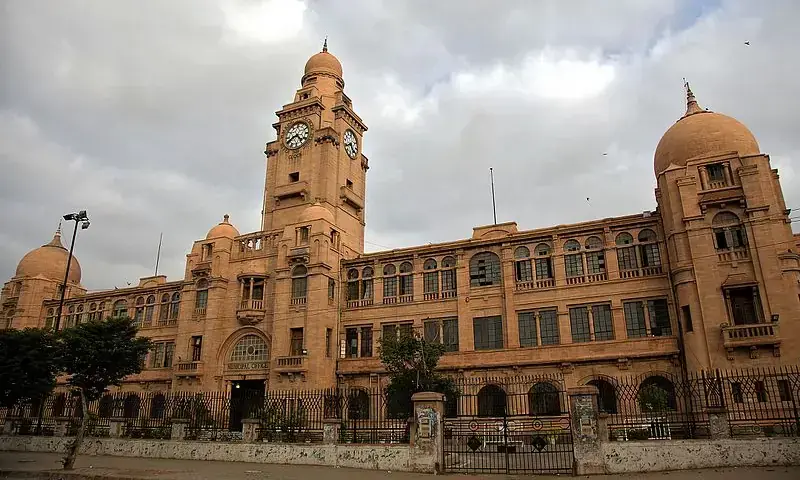

KARACHI: The opposition Jamaat-i-Islami (JI) on Saturday presented its shadow budget of the Karachi Metropolitan Corporation (KMC) for financial year 2026-27, demanding that its budget be increased from proposed Rs60 billion to at least Rs300bn, saying that the current allocation was far below the needs of the city.
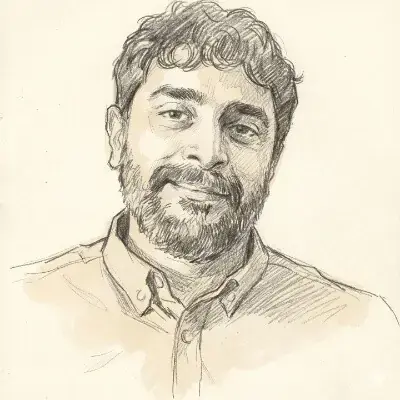
Speaking at a press conference, Opposition Leader in the City Council Saifuddin Advocate said Karachi, with a population of around 35 million, could not be managed with the proposed Rs60bn budget.
“The KMC budget is extremely low compared to the needs of Karachi. For the 2026-27 financial year, it should be at least Rs300bn,” he said.
Mr Saifuddin said the city should receive 100 per cent of the motor vehicle tax, along with a share in the Infrastructure Cess, Octroi and Zila Tax (OZT) and the Provincial Finance Commission (PFC) Award.
City Council opposition leader presents shadow budget on behalf of JI; demands every UC be given Rs100m in next budget
He said these revenue sources, along with the KMC’s own income, could raise the city’s budget to around Rs300bn.
He also demanded that development funds were transferred to towns and union committees, adding that “every union committee should receive at least Rs100m in the budget”.
Criticising the Pakistan People’s Party-led Sindh government, Mr Saifuddin alleged that the KMC remained heavily dependent on provincial transfers despite claims that it had become financially independent.
“The reality is that the KMC’s own share is only 20 per cent of its budget,” he said claiming that the civic body generated only Rs6 billion from its own resources.
The opposition leader also accused the provincial government of centralising civic institutions that should be under the control of the elected city government. He said the Karachi Water and Sewerage Corporation and the Sindh Solid Waste Management Board had separate budgets, yet funds allocated to towns and union committees were also being spent on their functions.
He further alleged that despite spending Rs201bn since 2021, including two years under an administrator, the city’s condition has not improved.
The opposition leader claimed that the proposed Rs60bn budget would also “fall victim to corruption and inefficiency”, alleging that Karachi’s civic institutions had been taken over by the provincial government instead of being devolved to the local government.
Accompanied by Deputy Parliamentary Leader Junaid Mukati, Maulana Fazal Ahad, Taimur Ahmed and several chairmen and vice-chairmen of union committees, Mr Saifuddin also criticised the “continued weakening of the local government system in Karachi”. He said several civic departments that were previously managed by the city government had gradually been brought under the control of the Sindh government, reducing the authority of elected local representatives.
He said that in the past, water supply and sanitation services, as well as solid waste collection, were managed through the city’s local government structure, allowing elected representatives to address public complaints more effectively. According to him, these responsibilities should be returned to the KMC in line with the spirit of local government laws and relevant court decisions.
Referring to the city’s civic conditions, Mr Saifuddin said residents continued to face problems including damaged roads, poor sanitation, water shortages and inadequate municipal services despite substantial public spending in recent years.
“The people of Karachi deserve better services and greater accountability for the money being spent in their name,” he said.
He said that strengthening local governments and ensuring direct financial transfers to towns and union committees would improve service delivery and allow elected representatives to respond more effectively to public needs.
He said JI would continue to raise these issues in the City Council and push for greater financial and administrative powers for the KMC to enable it to meet the growing needs of the country’s largest city.
Published in Dawn, June 28th, 2026