EVEN as threats and missiles continue to fly across the Gulf, the US and Iran are attempting to keep the negotiation process alive so that the ceasefire remains intact. Both sides have traded fire over the past few days, raising fears that the truce was headed for a premature and violent end. Yet on Saturday, delegations from the US and Iran were in Oman for ‘technical’ talks — in the midst of President Donald Trump’s rambling and threatening social media posts.
The American leader earlier said that the ceasefire was over, but that negotiations would continue. In a post on Saturday, he said “1,000 missiles” were locked, loaded and aimed at Iran; he alleged the Iranians were trying to kill him.
Mr Trump’s warning appears to have been triggered by mourners at Ayatollah Ali Khamenei’s funeral processions who raised slogans and held up banners calling for his death. More importantly, Mr Trump’s Israeli friends have warned him about an “Iranian plot” to assassinate him.
In such a febrile atmosphere, how can the peace process be taken forward? In case the parleys fail, a return to full-scale war would be the likely outcome. That is why regional states are scrambling to save the ceasefire from collapsing, as both Washington and Tehran harden their respective stances.
Prime Minister Shehbaz Sharif urged the Iranian president to uphold the Islamabad MoU, while a Qatari delegation was in Tehran on Friday to help find a diplomatic off-ramp. Regional states know that a return to hostilities will deliver a strong blow to the global economy and threaten their own security, and that of the larger Middle East.
However, one habitual spoiler seems desperate for a return to violence: Israel. Media reports indicate that the Israelis have told the Americans that they are ready to conduct more attacks on Iran. Moreover, Tel Aviv’s feeding of intelligence — real or imagined — to the Trump administration is also designed to encourage the US leader to abandon peace talks. The continuing Israeli attacks on Lebanon have strained the Iran-US MoU as well.
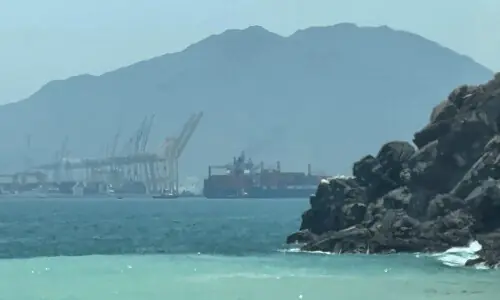
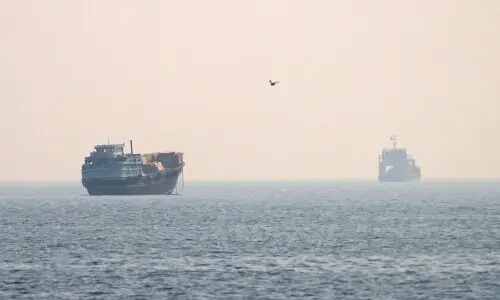
At such a delicate moment in the negotiation process — when the region stands between war and peace — both the US and Iran need to exercise greater restraint. The Iranians must ensure there are no attacks in the Strait of Hormuz and that vessels can transit it freely. Meanwhile, the US, particularly its leader, should stop threatening Iranians, as bombast can attract a strong response from Tehran.
Pakistan and the other regional states are continuing their commendable efforts to prevent a slide back towards hostilities. These efforts must be supported and the international community should isolate any bad-faith actors, particularly Israel, that are trying to torpedo the peace process.
Published in Dawn, July 12th, 2026