
The round bottle gourd, locally known as lauki, is one of the most commonly used vegetables for daily meals, especially in South Asian cuisines.
People cook it in different ways — making curries, frying it with spices, pairing it with lentils [daal], or adding chutneys and side sauces. The same vegetable also works beautifully in sweets, with popular desserts like kheer and halwa being made from it. However, it’s best to use young round bottle gourds with soft seeds for desserts, rather than mature ones that have harder seeds.
But behind every lauki curry is a plant that takes real care to grow — starting with pollination.
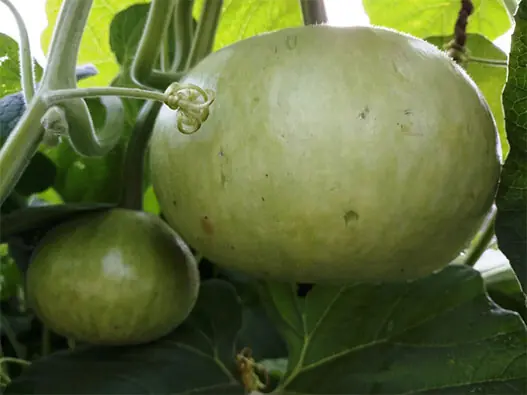
Successful pollination — whether carried out naturally by pollinators or manually through hand pollination — requires the transfer of pollen from the male flower to the centre of the female flower. Even before pollination occurs, female flowers have a small, fruit-like swelling called the ovary just beneath the petals. This ovary also makes it easy to tell male and female flowers apart.
The round bottle gourd is a South Asian kitchen staple, but knowing how it grows — and when to pick it — makes all the difference between a tender curry and a woody one
If the pollination is unsuccessful, the female flower wilts, turns yellowish and, eventually, falls off. A successful pollination results in the ovary increasing in size over the next few days.
During the fruiting phase, the plant needs regular water, sunlight and fertiliser. Keep the soil surface moist, without letting it dry out completely. The developing bottle gourds should hang freely and not touch the ground — if they rest on wet soil, they are likely to rot and spoil.
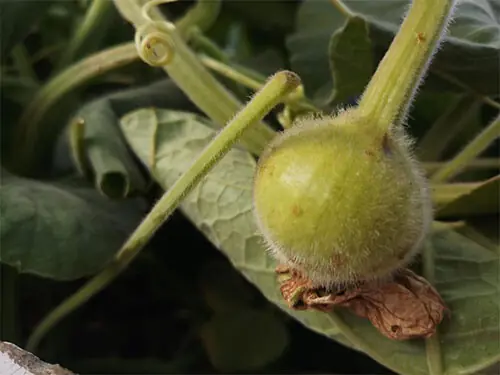
After a successful pollination, it takes between two to three weeks for the round bottle gourd to start forming. At this juncture, the vegetable is so tender that a slight pressure from the thumb can, sometimes, cause the gourd’s skin to peel off.
In ideal gardening conditions, the gourd is ready for harvest approximately two months after sowing. The traditional method to check if it is ready for harvest is to scratch it slightly with the fingernail — if the gourd goes in or scratches off easily, the fruit is young and tender, which is ideal for culinary use.
Sometimes, tiny hairs are visible on the lauki skin. These light hairs also indicate the freshness and readiness of the vegetable. A simple wash will make the hairs vanish, though they are also removed during peeling.
When the gourd is left on the vine for too long, it becomes overripe. The skin hardens and resists the fingernail test, while the flesh turns woody and bitter. The soft inner flesh becomes tough and fibrous, and the tender seeds are replaced with hard, inedible ones.
When harvesting the round bottle gourd, avoid pulling it off the vine. The stem is firmly attached, and yanking the fruit can disturb the entire vine, potentially injuring other developing fruits, flowers, leaves and roots. Twisting the fruit — as you might with a lemon — is also not advisable, as the stalk is tough and flexible, making it difficult to detach cleanly. Instead, simply cut the fruit off using gardening scissors or pruning shears, leaving about an inch of the stalk attached.
A single gourd vine grown in a 14-inch pot typically produces two to three good-sized fruits when fed with organic fertiliser. Using chemical fertiliser can further boost the yield. If the same vine is grown directly in the ground, the harvest can roughly double compared to a 14-inch container, regardless of whether organic or chemical fertilisers are used.
To ensure optimal harvest, it is critical to protect the vine from pests throughout its life cycle. Installing green net saves the plant from hungry birds overhead. It also protects the flowers, young fruits and even the leaves from unwanted sunlight exposure during scorching afternoons.
Please send your queries and emails to doctree101@hotmail.com. The writer is a physician and a host for the YouTube channel ‘DocTree Gardening’ promoting organic kitchen gardening
Published in Dawn, EOS, July 19th, 2026