
Q. My kangi palm plant is drying up. What should I do?
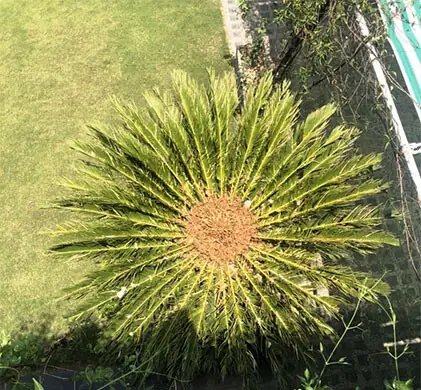
A. Please always mention your city in your query for a more specific response. From the photograph, the centre of the kangi palm appears browner than normal. The browning of the central part, also referred to as the crown of the plant, suggests something is wrong with the plant. In certain cases, it can even be fatal.
This often happens when water repeatedly collects in the crown, especially if drainage is poor. Prolonged moisture in the crown can lead to a fungal disease, known as crown rot, in kangi palms.
Also check if the crown feels firm or soft. A soft crown usually indicates advanced rot and recovery is less likely. If the crown is still firm and brown, then there may be a few remedies that you can try. Ensure the pot drains freely and avoid spraying water directly into the crown. Water only when the top layer of soil feels dry. In case of a fungal attack, apply a copper-based fungicide to both the crown and the soil.
Q. I have ten pots of the amaryllis plant, which I brought to Karachi from my mother’s garden in Rawalpindi some 20 years ago. They have been in the same pots since. Initially, they flowered but there have been no blooms for many years now. The only care I have taken is to move them away from direct sunlight in the summer and apply some manure to the soil. I realise I should have repotted them and taken better care of the plants. What would you advise me to do now?
All your gardening queries answered here…
A. The plants should be moved to an area with indirect light. Provide enough water to the plant for the surface soil to become moist but make sure water doesn’t accumulate. Apply a potassium-rich fertiliser to the plant after every three to four weeks, as it will help strengthen the bulbs and encourage flowering.
I must add that 20 years is a long time for amaryllis to remain in the same pots. It is probably why the plant is not flowering anymore. After 20 years in the same pots, the bulbs are almost certainly overcrowded and competing for nutrients and space. Once the weather turns slightly cool, during mid-October to November, you should separate the bulbs and repot them in a bigger space with a fresh potting mix. When sowing a bulb, keep one-third of it over the soil surface. This should improve flowering.
Q. What is the best time to segregate the young amaryllis bulbs from the main potted plant and should they be grown in pots or in the ground?
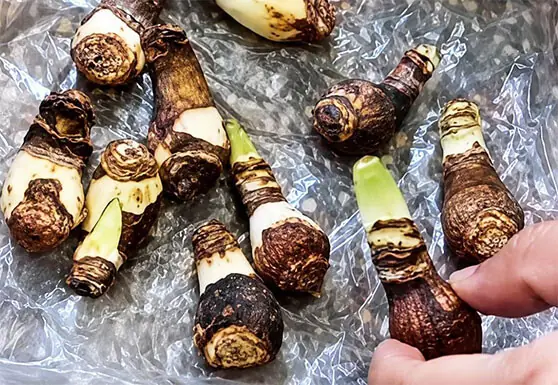
A. As with many other plants, the amaryllis goes through a period of dormancy after flowering, particularly during autumn and spring, when the leaves gradually turn yellow, dry out and fall away.
This is the ideal time to dig up the bulbs or the offsets of amaryllis and shift them to an individual container. The plant usually grows larger and produces more flowers when planted in the ground. However, it can be grown in pots too, as pots generally provide better control over drainage than garden soil. Only plant the amaryllis in the ground if you can manage water drainage.
Q. Your information about the subject ‘pollination of lauki [round bottle gourd] flowers’ happens to be erroneous. Nature has taken good care in this case and there are pollinators for night-blooming plants. These creatures are mostly moths and other insects that become active after sunset. In many cases, bats also perform this function.
A. You are correct that many night-blooming plants are naturally pollinated by moths, beetles and, in some regions, bats. The information that I shared specifically mentioned that there is an absence of natural pollinators in densely built urban areas, especially metropolitans, where night-time pollinator activity is often much lower than in rural or semi-natural environments. Many pollinator species have declined in heavily built areas because of habitat loss, artificial lighting and reduced plant diversity. Similarly, kitchen gardeners in cities, growing their plants in cramped spaces and small containers, have little hope of pollinators visiting their vines. In such cases, hand-pollination is handy. Sadly, the birds and butterflies that were once common in Karachi’s greener neighbourhoods have become noticeably less frequent over the past few decades.
Please send your queries and emails to doctree101@hotmail.com. The writer is a physician and a host for the YouTube channel ‘DocTree Gardening’ promoting organic kitchen gardening
Published in Dawn, EOS, July 26th, 2026