WITH neither of the belligerents willing to back down, and the theatre of conflict expanding geographically, the US-Iran war is in an extremely dangerous phase. There was some hope that last week’s lull in violence could lead to a resumption of the diplomatic process, but these expectations were short-lived.
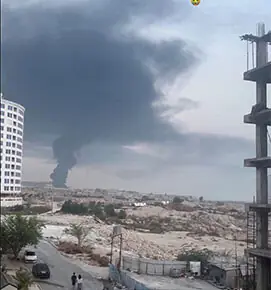
In the latest round, fighting has spread to Iraq and Egypt, further complicating efforts to douse the flames of war in the region. On Monday, Saudi Arabia witnessed drone attacks on oil facilities in its east. The attacks are believed to have been carried out by pro-Iran militias in Iraq — Tehran has denied the charge. In response, together with the Americans, the Saudis hit several targets in Iraq, causing a number of casualties. This is the first major public Saudi involvement in combat during this war.
Meanwhile, the Egyptian port of Damietta came under a drone attack on Wednesday. No party claimed responsibility. In the latest developments, the US has hit the Iranian island of Qeshm, causing civilian fatalities, while the Iranians have attacked facilities in Jordan and Kuwait. The Ukrainians had also targeted an Iranian vessel in the Caspian Sea last week.
The growing number of actors now involved in this conflict have created a very high risk of miscalculation. One misfired drone or missile is capable of igniting a larger exchange of fire, as the recent attacks and counter-attacks have shown. That is why a long-term ceasefire is imperative.
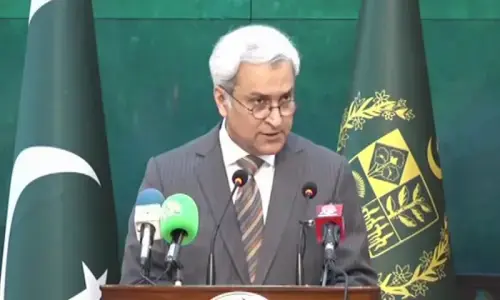
As the Foreign Office said on Thursday, diplomacy remains the “only viable path forward”, and the Islamabad MoU still offers a framework for peace, should Washington and Tehran seek to pursue it. The US, as the aggressor in this conflict, must take the first step, admit that the war was a mistake, and pledge to work for peace. Iran should respond positively to any such overtures, particularly by exhibiting a less rigid attitude where the Strait of Hormuz is concerned. Keeping this vital waterway closed to global marine traffic is hurting the entire international community, including Iran’s foreign allies and sympathisers.
Though rationality demands that all sides step back from the brink, the current occupant of the White House is not known for making rational choices. The Israeli prime minister was recently in Washington, and one is not sure what toxic advice vis-à-vis Iran he gave to the American president.
If both the US and Iran continue to climb the escalation ladder, a catastrophic regional war may well be the eventual result. However, if both sides choose to employ the good offices of interlocutors, such as Pakistan and other regional states, a way out can be found, though the window for a negotiated settlement may not remain open indefinitely.
Published in Dawn, July 31st, 2026