Rare ancient ruins found in Mexico
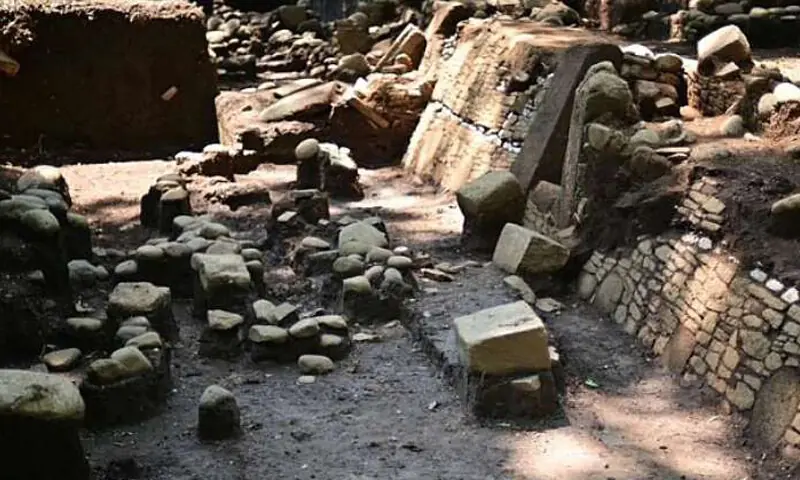
Archaeologists in eastern Mexico have uncovered rare pre-Hispanic ruins dating from AD200 to 600.
The site includes a unique circular stone platform and a carved stone depicting figures with possible Mayan features, unlike anything previously discovered in the region.
Experts say the discovery could offer new clues about ancient Mayan influence and rituals. The Mexican government has pledged support for further excavation and restoration.
Rubik’s cubes solved while skydiving
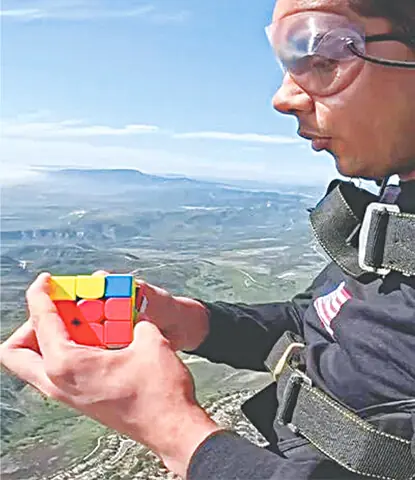
A 24-year-old puzzle enthusiast has set a Guinness World Record by solving two Rubik’s cubes during a skydive from 13,000 feet over Oceanside, California.
It was Ishaan Hadkar’s first time skydiving, and his initial attempt ended when one of the cubes broke mid-air. Undeterred, he immediately made a second jump and successfully solved one cube during freefall and another after opening his parachute, earning the record for the most rotating puzzle cubes solved in a single skydive.
Hadkar said the windy conditions and freefall speeds of 120 mph made the challenge especially difficult.
Plant revives without water
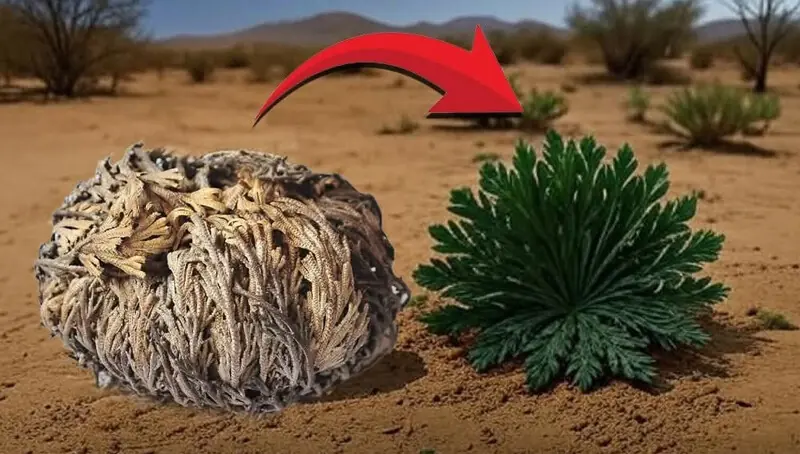
Selaginella lepidophylla, commonly known as the resurrection plant, can survive for years without water by drying out almost completely and entering a dormant state.
Native to the Chihuahuan Desert, the plant curls into a ball and loses up to 95% of its water during periods of drought. When moisture returns, it can unfurl within hours, regain its green colour and resume normal growth.
Its remarkable survival ability comes from compounds that protect its cells during dehydration. During prolonged droughts, the plant can even detach from its roots and be carried by the wind in search of a more suitable environment. However, its resurrection ability is not unlimited and weakens over time.
Robin Hood’s ancient oak dies
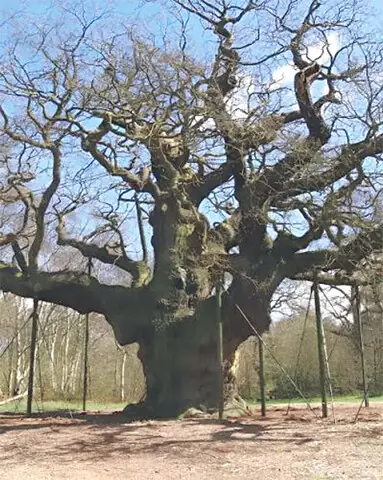
The 1,200-year-old Major Oak in Sherwood Forest, believed to have sheltered the legendary Robin Hood, has died after failing to grow leaves this spring, conservationists said.
Experts believe millions of visitors compacted the soil around the tree over the years, making it difficult for water to reach its roots. Climate change, including heatwaves and drought, may also have contributed.
Protected since the 1970s, the famous oak will remain standing as a natural monument and continue to support the forest’s ecosystem, even in death.
Published in Dawn, Young World, August 1st, 2026