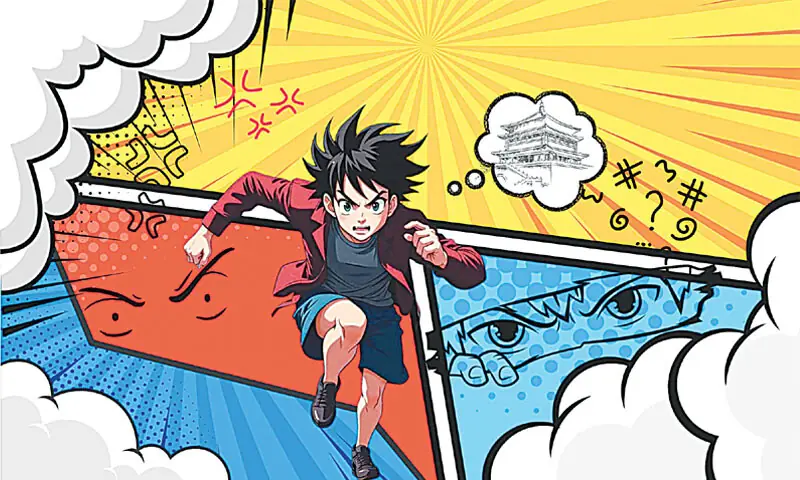

Big eyes, arched eyebrows, sharp jawlines and hair that seems to defy gravity — sometimes so sleek it looks like silk threads ironed perfectly. These characters can survive falling off a building, punch through a wall and sometimes even blow up a planet, with a dramatic whoosh and colours flying everywhere.
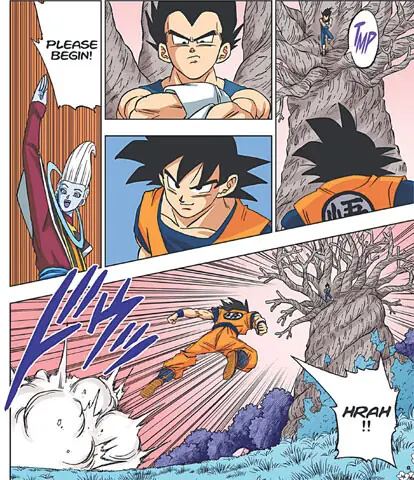
You may already recognise this style from some of Japan’s most famous characters: Goku, the world-saving protagonist of Dragon Ball; Satoru Gojo from Jujutsu Kaisen; Pikachu, the yellow Pokémon; or my favourite, Doraemon, the blue robot cat with a pocket full of gadgets.
But these aren’t just random cartoon characters. They come from a peculiar Japanese drawing tradition called manga — the Japanese word for comics. Manga uses drawings, panels and speech bubbles to tell stories.
Alongside it is “anime” — where these drawings and designs come to life with movement, voices, music and sound. Manga and anime aren’t the same thing, and not every anime comes from a manga. However, the two have become closely connected and have travelled far beyond Japan. Unlike the comics and cartoons you may already know, such as Spider-Man or Teen Titans Go, manga and anime can have wildly different looks, from the simple and playful Doraemon to the detailed world of The Tale of the Princess Kaguya.
From manga’s black-and-white pages to the colourful worlds of anime, Japanese storytelling has created some of the most recognisable characters in the world. Manga and anime have a fascinating history that is far more varied than you think
Manga’s roots
In the 1800s, Japanese artist Katsushika Hokusdai used the word manga for a collection of sketches showing people, animals, objects and everyday scenes. But illustrated storytelling in Japan goes back further than Hokusai. The manga we recognise today developed during the 20th century, promoted by newspapers, magazines and the growth of popular entertainment.
Manga’s game changer
During the mid-20th century, one of the biggest names in manga history emerged: Osamu Tezuka. Tezuka was a doctor by profession, but his love for drawing comics gave him a new identity.
He loved animation, especially the work of Disney, and brought some of those techniques of animation and cinema into his manga. Instead of simply putting one picture after another on a page, he focused more on close-ups, different angles, dramatic pauses and panels of different sizes.
For instance, on one page, a character was shown at a distance, then suddenly there was a close-up of their eyes. These techniques made it feel more dramatic and made readers more engaged in the story.
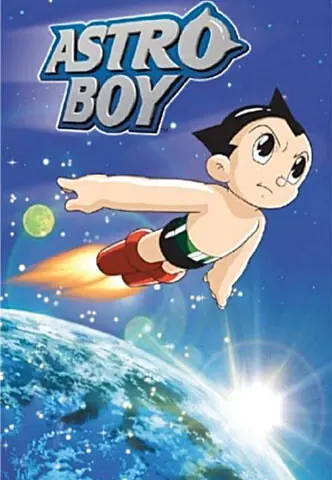
One of Tezuka’s most famous creations was Astro Boy, a little boy with a pointy haircut, wearing shorts and having incredible powers. The character became one of the most recognisable figures in manga and helped make Tezuka a major influence on the artists who came after him.
Enter anime
Japanese animation existed before Tezuka. As television became increasingly common in Japanese homes, animation could suddenly reach millions of people regularly.
Tezuka’s Astro Boy, which began airing in 1963, became one of the iconic television anime series. From there, the relationship between manga and anime became stronger.
The famous faces
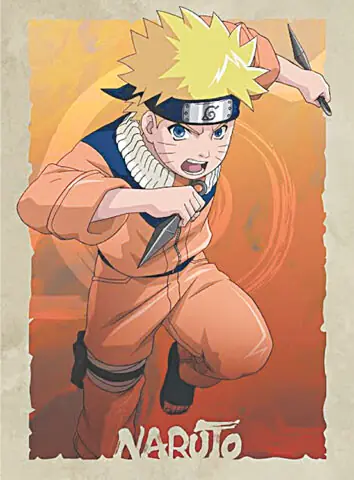
You may already know many more anime characters than you think, such as Pikachu, Doraemon, Goku, Naruto, etc., even if you’ve never watched their full stories.
Pikachu is one of the most famous Pokémon characters. It began as a video game rather than as a manga or anime. The anime came later and helped make Pikachu famous around the world. Today, Pokémon has expanded into games, anime, manga, films, trading cards, toys and just about everything else you can imagine.
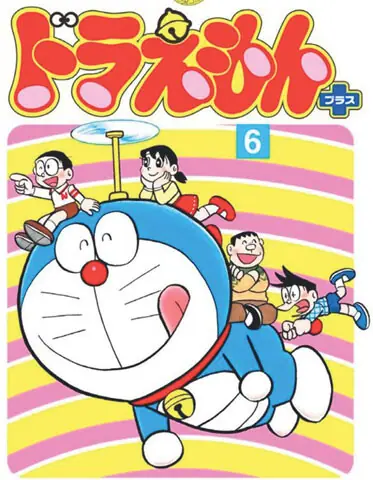
Then there’s Doraemon, the blue robot cat from the future who arrives with a magical pocket packed with gadgets. Doraemon began as a manga and was later turned into anime. For many children in Pakistan and other countries, Doraemon became one of the favourite robot cats they wish to have.
The art style
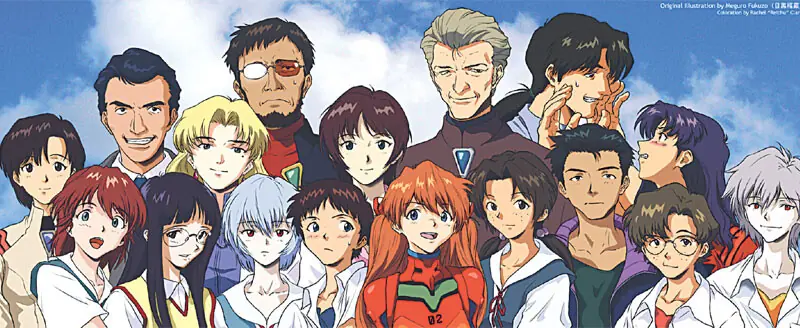
Manga and anime don’t have a single typical look. Artists have their own ways of drawing faces, bodies, hair and expressions. The eyes tell what a character is feeling; fear can make them go wide; embarrassment can bring a blush to the cheeks; sadness can make them droop and fill with tears.
Then there is the hair. In manga and anime, hair doesn’t always have to behave like real hair. It can be spiky, impossibly long, brightly coloured or shaped in ways you have never seen in real life. Think of Goku’s wild hair in Dragon Ball, for example. You can recognise him almost instantly, even from a simple outline.
Not just one genre
One of the biggest misunderstandings about anime is thinking that it is a genre. It isn’t.
Anime is a medium of animation, and it can tell almost any kind of story — comedy, horror, romance, science fiction, sports, fantasy, mystery or adventure. Manga works in much the same way. There are manga about sports, cooking, music, school life, history, friendship, robots and monsters.
Both manga and anime are further divided into labels such as shonen, shojo, seinen and josei. These labels are mainly demographic categories, meaning they describe the particular audience a manga or anime was originally aimed at — such as young boys, young girls, adult men or adult women.
For example: Shonen: traditionally aimed at younger male readers. It has adventure, friendship, competition and action.
Shojo: traditionally aimed at younger female readers. Usually light, fun themes including friendship, fantasy, adventure, comedy and plenty of other subjects.
Seinen: generally aimed at adult men and may deal with more serious themes.
Josei: generally aimed at adult women and often explores more serious or realistic relationships and everyday life. These labels don’t mean that only certain people can read or watch them; anyone can enjoy a story regardless of the category it was originally published for.
Not always manga first!
Not every anime begins with a manga. Some are adaptations of manga, while others are created specifically for television or film.
For example, Neon Genesis Evangelion took the opposite route: it was created first as an anime, with manga versions produced later. So, manga first, anime second isn’t a rule; sometimes the anime comes first, sometimes the manga does, and sometimes different versions develop alongside one another.
Reading a manga, not the usual way!
One of the interesting things about reading manga is that you read it from right to left, unlike most English-language comics and books. The panels and speech bubbles generally follow the same direction, so you move across the page from right to left and then continue to the next row in the same way.
The fan world
Anime and manga fandom goes far beyond simply watching and reading. There are conventions, cosplay, fan art and online communities where people discuss their favourite stories and characters.
This fandom has grown in Pakistan too, with cosplay and pop-culture events taking place in major cities across the country.
Manga drawings are beautiful in their own way, and if you’ve ever looked at a character and thought, “I wish I could draw that,” why not give it a try? Start by observing little things — the eyes, the faces, the expressions and even the way a character’s expression changes from one page to the next.
Once you start observing these details, you will try them out on your own. Sometimes, a tiny change in a face can say more than a whole paragraph of words. That is the fun of drawing.
Published in Dawn, Young World, September 26th, 2026