
How single-use plastics are quietly damaging human health, ecosystems, and economies.
Plastic food and drink packaging now underpins modern consumption, especially in Pakistan, where urbanisation and a culture of convenience have driven an unprecedented dependence on single-use plastics.
While often seen as affordable and convenient, this dominance has alarming long-term environmental, economic, and public health consequences that are frequently underestimated. This hidden cost is central to Pakistan’s challenge in balancing progress with sustainability.
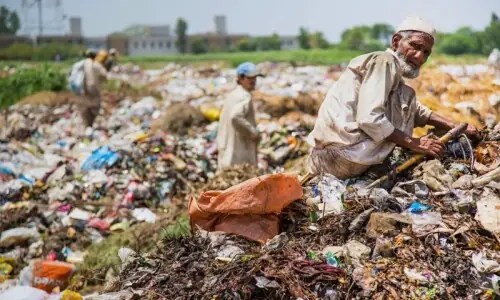
Across Pakistan, plastic waste has become a visible part of daily life. Streets, canals, agricultural lands, railway tracks, and urban drains are increasingly clogged with discarded plastic bags, bottles, wrappers, and food containers.
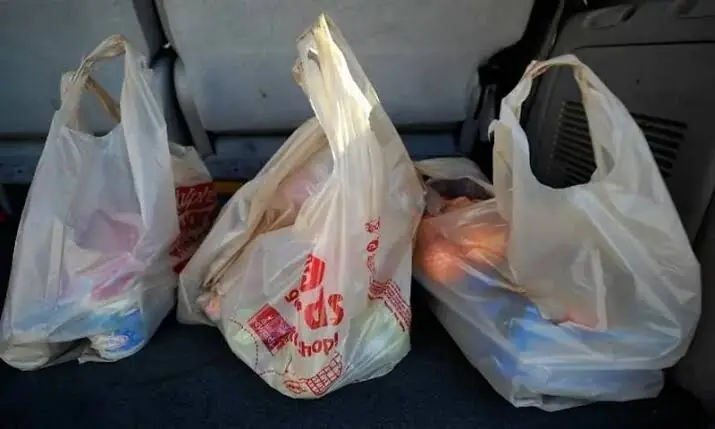
Consumers still receive yoghurt, hot tea, and salan in thin plastic bags despite the presence of microplastics
During the monsoon season, blocked drainage systems caused by plastic waste contribute to urban flooding and sanitation crises in major cities, including Lahore, Karachi, Faisalabad, and Multan. The visible spread of plastic waste reflects a deeper structural problem rooted in weak waste management systems, unsustainable consumption patterns, and limited public awareness of environmental responsibility.

One of the most dangerous dimensions of plastic pollution is the growing rise of microplastics. Over time, plastic packaging breaks down into microscopic particles due to heat, sunlight, and environmental exposure. These tiny particles are now entering food chains, drinking water, and even the human body.
In Pakistan, the excessive use of single-use plastic packaging is deeply embedded in everyday life. Millions of consumers still receive yoghurt, milk, hot tea, curry (salan), and other food items in thin plastic bags from local shopkeepers and street vendors.
In many cases, hot liquids and freshly cooked foods are poured directly into low-quality plastic materials without considering potential health consequences. Exposure to heat can accelerate the release of harmful chemicals and microplastic particles from plastic packaging into food and beverages. Despite growing awareness regarding environmental sustainability, the widespread availability, low cost, and convenience of disposable plastics continue to encourage unsafe consumption practices across urban and rural areas alike.
The widespread use of bottled water intensifies plastic pollution. Many Pakistanis rely on bottled water due to concerns about safe drinking water, but prolonged exposure to sunlight and heat may increase chemical leaching. Similarly, fast food served in disposable containers poses potential health risks to consumers. Many vendors use low-quality plastic packaging without regulatory oversight, increasing long-term risks.
Plastic pollution is also creating serious environmental challenges for Pakistan’s agriculture sector. Farmers frequently burn plastic waste, including fertiliser bags, pesticide containers, and packaging materials, in open fields due to limited waste disposal options. This practice releases toxic gases into the atmosphere, contributes to air pollution, and damages soil quality.
Plastic waste dumped into irrigation canals disrupts water flow and harms aquatic ecosystems. Livestock in rural areas often consume plastic bags mixed with food waste, leading to digestive complications and animal deaths. Such issues directly affect agricultural productivity and rural livelihoods in a country where agriculture remains a vital pillar of the economy.
The economic costs of plastic pollution are equally significant but often ignored. Governments spend millions of rupees annually on urban cleaning, drainage maintenance, and waste management systems that are overwhelmed by plastic waste.
Tourism suffers when recreational areas, riversides, and public spaces become polluted. Healthcare systems may also face rising burdens associated with pollution-related illnesses and long-term exposure to toxic chemicals. In many ways, the apparent affordability of single-use plastics hides broader social and economic costs that society eventually pays through environmental degradation, declining public health, and reduced quality of life. These hidden costs must be confronted directly as a national priority.
Pakistan’s recycling infrastructure remains underdeveloped and largely informal. Although waste pickers and small recycling businesses contribute significantly to plastic collection, recycling rates remain low due to poor segregation systems, insufficient investment, and weak policy implementation.
Most consumers dispose of plastic waste without separating recyclable materials from organic waste, making recycling inefficient and costly. Furthermore, many food and drink packaging materials are either non-recyclable or economically unviable to recycle. As a result, large quantities of plastic waste end up in landfills, open dumping sites, rivers, and natural ecosystems.
Several Pakistani institutions are responsible for addressing environmental pollution and food packaging safety, including the Pakistan Environmental Protection Agency (Pak-EPA), provincial Environmental Protection Agencies, the Ministry of Climate Change and Environmental Coordination, Punjab Food Authority, and municipal waste management authorities.
Provincial governments have introduced partial bans on plastic shopping bags and launched awareness campaigns regarding environmental sustainability. However, enforcement remains weak, and affordable alternatives to single-use plastics remain limited. The absence of a comprehensive national strategy on plastic reduction continues to hinder meaningful progress.
Businesses and multinational corporations must also share responsibility for reducing plastic waste. Beverage companies, food chains, and packaging industries generate enormous quantities of disposable plastic materials every year. Although many corporations promote recycling campaigns as part of their sustainability commitments, recycling alone cannot solve the crisis.
To secure a sustainable future, collective action, stronger regulation, better recycling, alternatives, and awareness are essential. Convenience comes at a price that can no longer be dismissed or deferred.
The writer is affiliated with the School of Management, Jiangsu University, Zhenjiang, Jiangsu, P.R. China, and the Department of Agribusiness and Entrepreneurship Development, MNS-University of Agriculture, Multan, Pakistan.
Published in Dawn, The Business and Finance Weekly, August 3rd, 2026