New administrative units ‘under serious consideration’

• Top govt functionary thinks discussion could be precursor to proposed 28th Constitutional Amendment
• Proposals include bringing Karachi, Gwadar under federal control; splitting Punjab into three, KP into two units
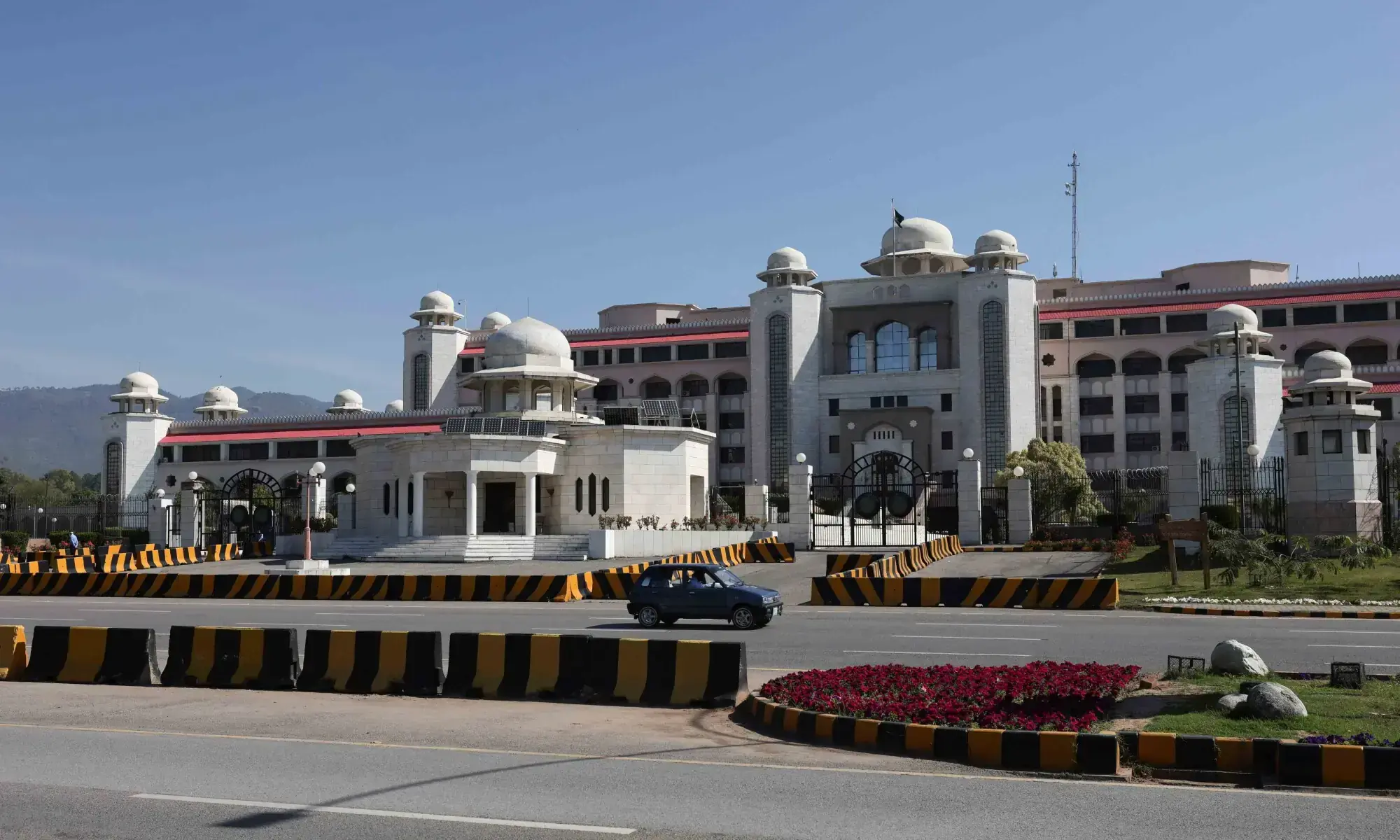
ISLAMABAD: There is a serious debate underway in power corridors over the most feasible approach to creating new provinces, according to a top government functionary, who thinks the discussion is a precursor to the proposed 28th Constitutional Amendment.
The government source, who is privy to developments, was reluctant to say when the proposal — still said to be in the initial stages — could materialise.
He conceded, however, that turning the idea of new administrative into reality would not be easy, as building a consensus among major political parties, which appear opposed to the idea, would be a major challenge.
The functionary said discussions were focused on whether new provinces should be created and, if so, how many would suffice; whether more administrative units should instead be established; or whether the local government system should be revived and empowered.
According to the source, the most effective way to address the consequences of the 18th Amendment was to create new provinces. He said this could help resolve many of the problems faced by the federal government following the devolution of powers to the provinces.
Recently, while addressing the Pakistan Economic Summit 2026, Interior Minister Mohsin Naqvi urged all political parties to resolve key national issues, including the creation of new provinces, describing it as the only solution to improving the country’s overall condition, which he said had “collapsed”.
The issue gained momentum after the minister’s proposal drew strong reactions from government ministers, while the country’s leading lawyers’ bodies adopted divergent positions. The Supreme Court Bar Association (SCBA) backed the proposal, whereas the Pakistan Bar Council (PBC) stressed that any such move must be pursued strictly within the constitutional framework, through parliament and with national consensus.
Speaking at a Full Court Reference held at the Supreme Court in honour of Justice Musarrat Hilali on her retirement, SCBA President Haroonur Rashid said the association endorsed and supported the proposal to create new provinces.
He said the SCBA believed that any constitutional measure to create additional provinces would promote better governance through devolution and equitable administration at the grassroots level, create equal opportunities for balanced economic development and strengthen political stability.
The creation of more provinces, he added, would also help improve living standards by addressing the economic hardships faced by people.
The PBC, the apex representative body of the legal fraternity, meanwhile, said at its 250th meeting that all constitutional matters must be addressed strictly within the framework of the Constitution.
How many more?
The government functionary said that if it was ultimately decided that creating more provinces was the only solution to what the interior minister had described as a “collapsing system”, the next question would be how many provinces should be created.
Under one proposal being discussed, he said, Karachi and Gwadar could come under the administrative control of the federal government, while the rest of Sindh would remain a single province.
Similarly, Balochistan could be divided into two provinces, while Punjab could be divided into three. Khyber Pakhtunkhwa, however, presents a more complicated case because of the merger of the erstwhile Federally Administered Tribal Areas (Fata) and the incorporation of areas previously administered under the Fata and Pata arrangements into the provincial constitutional, legal and judicial framework.
The source said KP could nevertheless be divided into Pakhtun and Hazara regions.
Stronger local govt
Alternatively, he said, if the decision was taken to strengthen the local government system, funds for local governments could be channelled directly through the federal government instead of the provinces.
Had the local government system introduced during the late President Pervez Musharraf’s tenure continued uninterrupted, he said, a large pool of experienced and competent councillors would have been available to address local issues effectively.
“Unfortunately, reaching that level of experience and building such a team will now take considerable time,” he added.
Published in Dawn, August 15th, 2026