

Oil climbs as fading US-Iran peace hopes raise supply risks
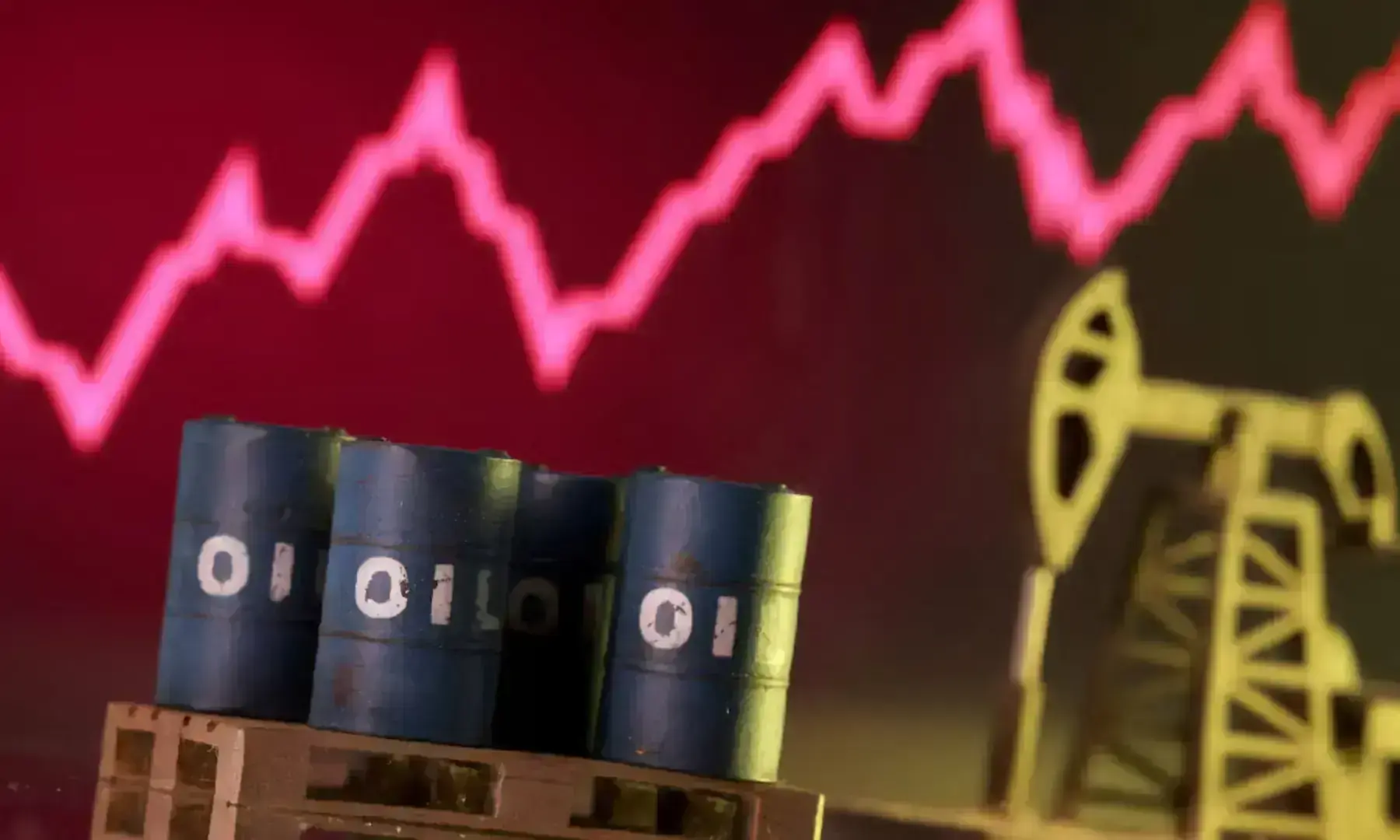

Oil prices rose on Tuesday as a deal to end the Middle East war seemed further out of sight, with Iran saying it will adopt a more offensive stance and the US ruling out extending a ceasefire agreement, heightening worries about energy supply.
Iran will shift to a “fully offensive” military posture because efforts to negotiate a permanent end to the war with the US have stalled, a senior Iranian official told Reuters on Monday, as Washington ruled out extending a temporary ceasefire agreement.
Outward progress towards peace talks and a resumption of oil tanker traffic through the strategic Strait of Hormuz has ground to a halt, threatening to extend the conflict that the US and Israel launched with attacks on Iran on February 28.
Brent crude futures climbed 27 cents, or 0.3 per cent, to $91.14 by 0003 GMT, after rising to their highest since July 30 on Monday.
US West Texas Intermediate crude futures were up 42 cents to $85.04 a barrel, after gaining more than one per cent earlier in the session to $85.37, their highest since July 31.
“Oil has jumped to start the week as US-Iran relations look increasingly shaky. A deal to reopen the Strait of Hormuz still does not appear to be in sight, and shipping numbers remain at a trickle,” said chief market analyst at KCM, Tim Waterer.
Following attacks on tankers, only five commodity vessels transited the Hormuz strait on Saturday, with none registered for Sunday, ship-tracking data from Kpler showed, versus 31 in the prior weekend.
Yemen’s Houthi rebels attacked what they described as a Saudi military ship and four escort vessels in the Red Sea with missiles, according to the group’s military spokesperson Yahya Saree on Telegram.
“The dual chokehold on the Strait of Hormuz and the Bab el-Mandeb remains highly significant. These are not secondary concerns. They sit at the centre of the current supply-risk narrative,” KCM’s Waterer said.
Iran has separately been negotiating an agreement on managing the strait with Oman and says they are close to a deal. But Trump responded to those negotiations with a threat to bomb the Gulf state, a longstanding US security partner.
In a glimmer of hope for diplomacy though, media reports said Trump had opened back-channel discussions with the Islamic Revolutionary Guard Corps.
US crude oil stockpiles were expected to have fallen last week alongside product inventories, a preliminary Reuters poll showed on Monday.


























