
The monsoon is in full swing in Pakistan and is likely to be around till the beginning of October. While rain is usually associated with happiness and festivity in our part of the world, sometimes it can become a nuisance.
A heavy downpour can quickly quash the hopes of a gardening novice. In the absence of protective measures and lack of drainage, heavy rains and water accumulation in the fields can prove detrimental to any agricultural exercise. For home-based kitchen gardeners, here are some tips and tricks to ensure your plants benefit from the monsoon season instead of falling prey to it.
KEEP IT COVERED
Install a plastic-cover shed or even a water-proof tarpaulin — locally known as tarpaal — over your flower bed to protect the flowers, vines, small plants and probable harvests. Stopping raindrops from falling directly on a seedling may prove to be life-saving. Even a plastic-sheet cover provides a barrier that stops rain droplets from harming foliage.
HARVEST RAINWATER
In many countries, municipal agencies and local governments construct massive underground tanks to collect rainwater for future use. This is particularly useful in areas with limited or irregular access to water. The collected rainwater is later used to water roadside trees, parks and grounds.
From rainwater harvesting to root-rot prevention, here’s how home gardeners can turn rains into an ally instead of a threat
Many households, on an individual level, also prepare small tanks or place buckets at the outlet of their rooftop drains. The accumulated water is used later for watering household plants.
DRAIN WATERLOGGED SURFACES
Following a downpour, it is critical to drain the land surface and flower beds of accumulated water pockets right away. Failure to do so can leave the plant susceptible to fungal infections, especially root-rot. The soil may also loosen and the roots may become weak. Sometimes, the first few inches of fertile soil are also washed away with rainwater. The application of sawdust, straw, hay and mulch, or simply adding dried soil and fertiliser may come in handy in such conditions.
EXPECT UNEXPECTED BLOOMS
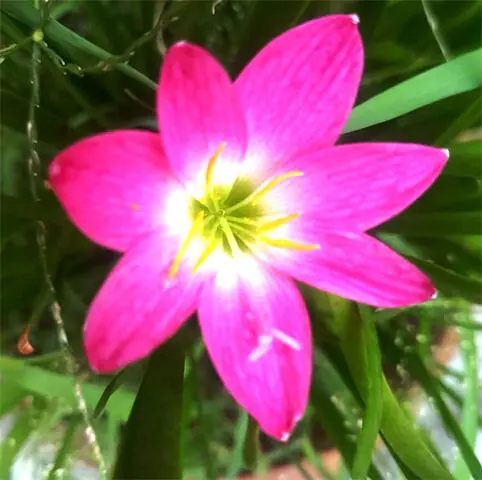
The monsoon can also induce natural blooms and vegetation in stretches of land that were barren and uncultivable. This results from the sprouting of seeds that may have been within the soil for months.
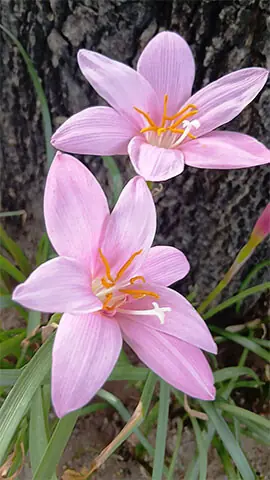
Green foliage and many new flowers add vibrant colours to what was once a lifeless stretch of land. Some of the flowers that regularly appear after a splash of rain include the rain lily and cosmos. The bulbs of the rain lily can survive for months within the soil and, within a day or two of rain, they may transform into plants with attractive blooms.
GIVE PLANTS ROOM TO BREATHE
In areas with regular rainfall, it is advisable to maintain a certain distance between plants for better aeration and sunlight. It also reduces leaf overcrowding. Plants that have space to grow have lower chances of contracting water-related diseases and infections. Heavier branches, especially the fruit-laden ones, can be supported with a trellis or sticks, to ensure that they do not touch the ground.
Papaya plants, for instance, succumb to standing water. In such cases, a small soil hillock is created around the plant’s stem. In this way, water does not accumulate around the stem. It simply slides down the small mound around the stem and gets absorbed away from the plant.
AND FINALLY…
There is a strong belief among gardeners that, due to its slightly increased acidity, lack of hard minerals and the absence of any other treated chemicals, rainwater is considerably better for gardening than its tap-supplied counterpart. This is not necessarily true, as there are hardly any empirically proven studies to justify it.
Regardless, in places with a shortage of water, rainfall not only washes the settled dust and dirt off the out-of-reach leaves of plants and trees, but also helps the seeds to germinate and flowers to bloom. In that context, both direct exposure and controlled access to rainwater are more beneficial than tap water.
Please send your queries and emails
to doctree101@hotmail.com. The writer
is a physician and a host for the
YouTube channel ‘DocTree Gardening’ promoting organic kitchen gardening
Published in Dawn, EOS, August 23rd, 2026