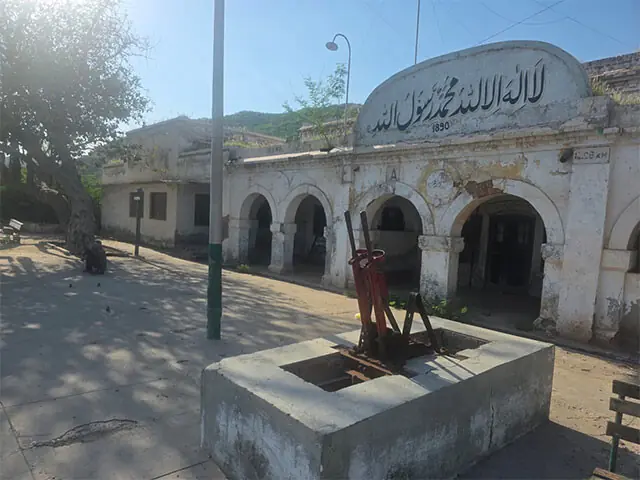
The historic British-era railway station, constructed in 1890 at the entrance to the world’s second-largest natural salt mine, has turned into ruins due to decades of neglect, while passenger train services to the historic tourist attraction remain suspended.
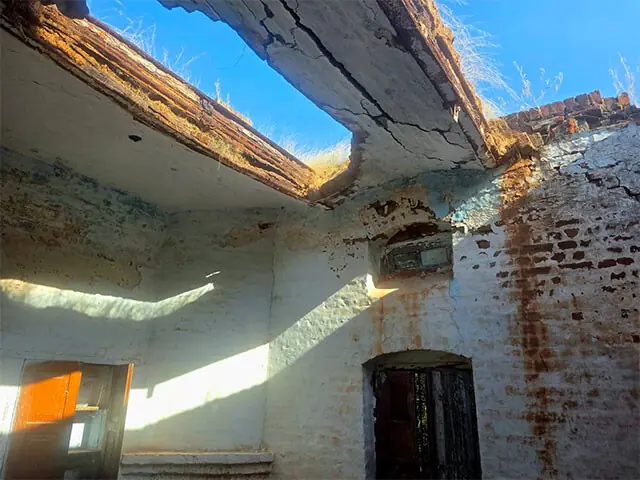
A visit to the station revealed rusted tracks and railway equipment, including signals, while the station master’s office, waiting hall, ticket reservation windows, platform and residential quarters for staff were all in a state of disrepair.
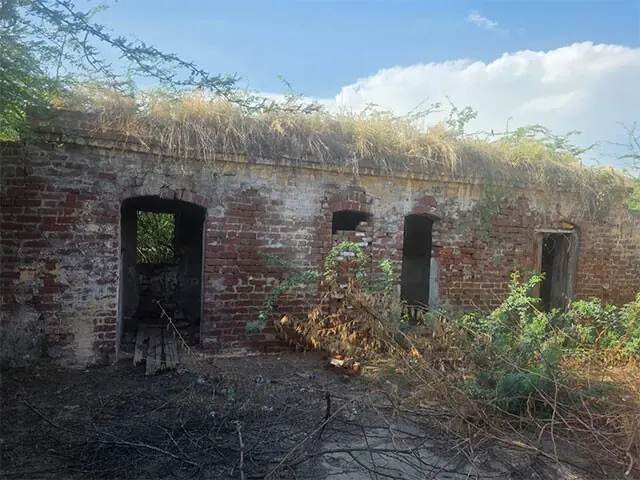
The dilapidated station on the way to Khewra is a question mark over the city’s identity. Despite the presence of the archaeology, tourism and railway departments and heritage institutions, the historic site has been left to decay.
The historic railway station on the route to the Khewra salt mines now presents an ugly spectacle of departmental apathy to tourists from across the world. The Khewra railway station was once a famous destination for tourists travelling by train, while goods trains used to transport loads of pink salt extracted from the mines.
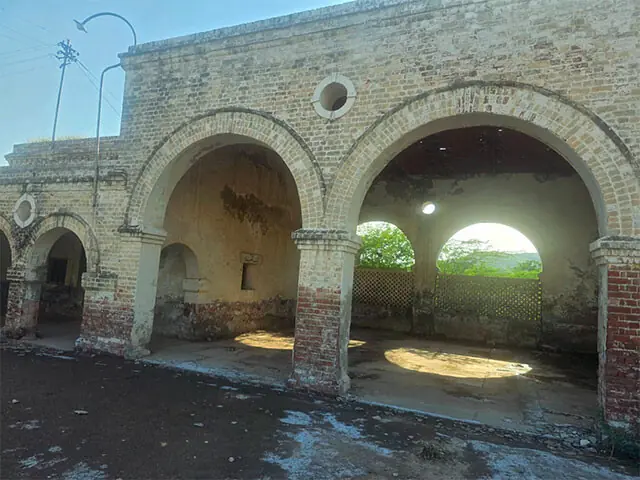
Residents suggested that the station could be restored and railway services revived in a way that could generate revenue for the department.
According to local journalist Malik Waseem Wasi, tourists from across the world come to see the natural salt mine of Khewra and find the railway station in a dilapidated condition in its vicinity.
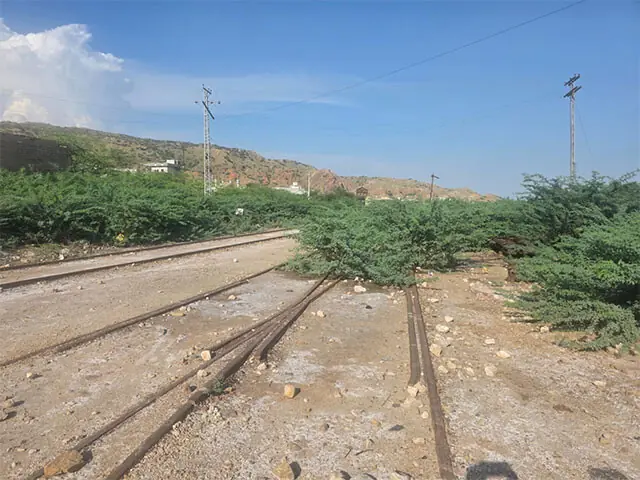
He said the passenger train between Pind Dadan Khan and Malakwal still shuttles, but the track to Khewra branches off at Chalsia station after crossing Victoria Bridge over the River Jhelum.
He suggested that a rail-car service with special packages for students and tourists on study tours could attract passengers. Freight train services for transporting loads of salt could also be restarted if the authorities conducted a survey, he added.
Residents and tourists have urged Federal Minister for Railways Hanif Abbasi and Punjab Chief Minister Maryam Nawaz Sharif to take special initiatives for the rehabilitation of Khewra railway station and restoration of railway services to the tourist destination for the promotion of tourism in the Salt Range.
Locals say that the doors, iron railings and other equipment of the historic building have been damaged and allegedly stolen. The platform is deserted, the water tank is filled with mud and sand, while bushes and wild grass have grown around the railway line.
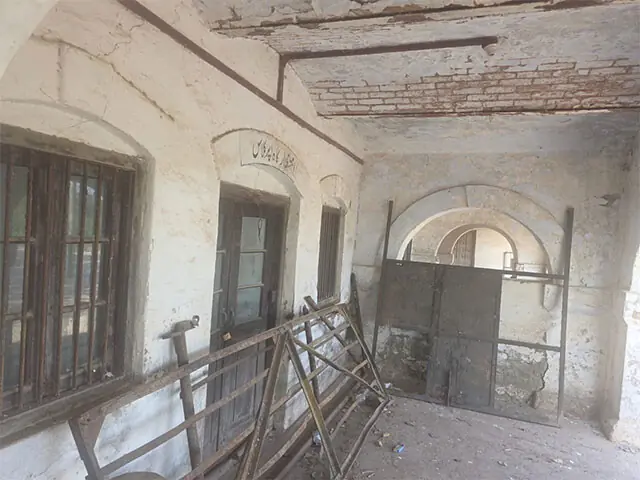
Railway signals and other historical installations are also decaying due to a lack of proper maintenance.
Once an important means of transporting passengers and salt, the station is now close to being buried under the rubble of its own history.
Citizens and social circles have raised the question that in a city where archaeology, the tourism ministry, the railway department and heritage protection agencies are working at their own level, who is responsible for the destruction of an important historical railway building like this?
The long silence of the local political leadership and administration is also a cause for concern.
Citizens say that if Khewra’s historical and tourist heritage continues to be ignored, the impression will be strengthened that the city is being deliberately treated as a stepchild.
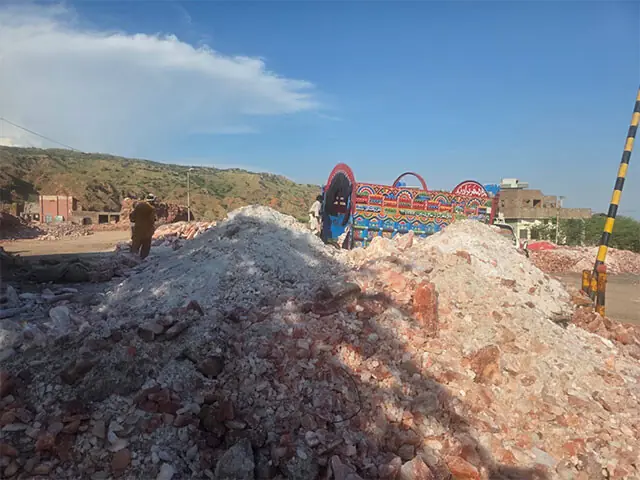
A further concern is that there is still a large salt depot near the station and salt is being transported from Khewra. In such a situation, citizens are asking why the possibility of transporting goods by rail is being ignored when a large number of trucks are still being used on roads to transport salt.
Citizens have demanded that the government and relevant institutions immediately secure the historic railway station and convert it into a heritage museum or a safari train station.
When contacted for comment on the possibility of restoring the station, Pakistan Railways Rawalpindi Divisional Superintendent (DS) Nooruddin Dawar said: “No such proposal is on the cards yet.”
Published in Dawn, August 31st, 2026