Karachi industry cries out over power tariffs
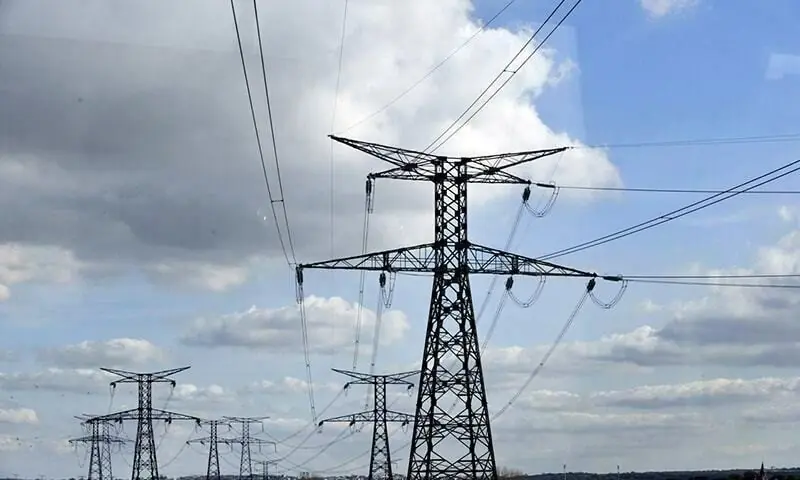

KARACHI: Amid disappointment among trade and industry over costly tariffs, K-Electric Board Chairman Shaheryar Chishti has said the company is investing Rs15 billion to upgrade its power infrastructure and ensure a reliable, uninterrupted electricity supply for the industrial sector.
Addressing members of the Korangi Association of Trade and Industry (KATI) on Tuesday, Mr Chishti said the investment will include laying new cables and wires, upgrading grids, bifurcating feeders and undertaking other infrastructure improvements.
He said measures are being taken to ensure uninterrupted electricity supply to Karachiites. KE’s network currently comprises more than 2,100 feeders, of which over 70pc are exempt from loadshedding, he said, claiming that there has been no loadshedding for industrial consumers since 2013.
According to KATI’s press release, KE Chief Executive Syed Muhammad Taha said new technologies, feeders and modern systems are being introduced to address electricity-related problems in industrial areas. He said some industrial areas are experiencing power-quality issues due to residential settlements in and around them. These problems would be addressed through new feeders and modern infrastructure.
K-Electric pledges Rs15bn grid upgrade
Work is also under way to gradually transform Karachi’s power system into a smart grid through smart metering and other modern technologies, he said.
He clarified that tariff changes are not within K-Electric’s authority, although the company is working with relevant institutions to help resolve the issues.
Earlier, KATI President Muhammad Ikram Rajput said Pakistan’s industrial sector is under severe pressure due to the country’s high electricity and energy costs. The continuous increase in production costs has made it increasingly difficult for Pakistani products to remain competitive on the regional and international markets.
He said energy prices have become a major component of industrial costs, meaning even a small increase in electricity tariffs directly affects production costs and export competitiveness.
Mr Rajput said Pakistani industry faces higher production costs than other countries in the region, while fuel charges, various surcharges, and other additional costs in electricity bills are further increasing the difficulties faced by industrialists.
He urged the government to review electricity tariffs for industrial consumers and reconsider all additional charges that were adversely affecting production.
The KATI chief said industrialists are also burdened by heavy capacity payments in addition to high electricity prices. Payments for unused electricity capacity have become a major problem for both the economy and industry.
He said the government and power distribution companies should consult industrialists to develop a viable system under which industry could receive electricity at competitive rates, enjoy stable energy supplies and avoid unnecessary financial burdens.
Published in Dawn, September 2nd, 2026