Need to bridge policy gaps to address malnutrition, sanitation

ISLAMABAD: Experts called for an integrated approach to addressing sanitation and malnutrition, emphasising that Pakistan needed to move from discussing multisectoral approaches to actually financing and delivering one.
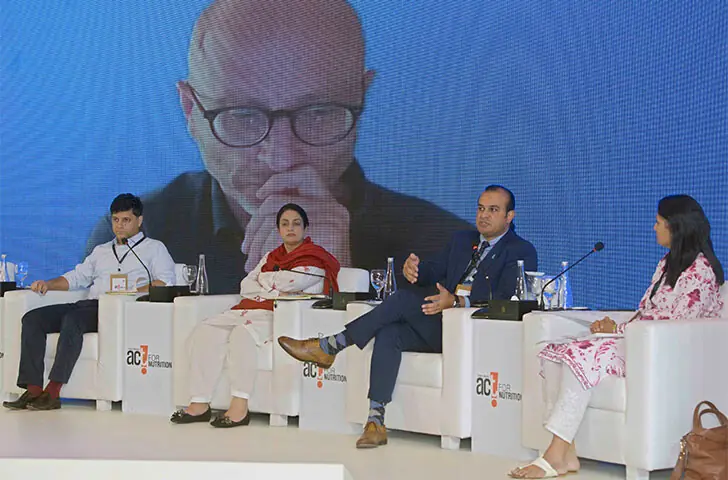
Addressing a session at the DawnMedia Act for Nutrition conference held at a local hotel in the federal capital, WaterAid Country Director Mian Muhammad Junaid said a child cannot be healthy if the environment they were growing in was making them sick.
“A child may receive the right food. A mother may receive nutrition counseling. A family may receive a cash transfer. A child may even have access to health facilities, but if the child is repeatedly exposed to contaminated drinking water, fecal contamination, or sanitation and unhealthy environment, we are asking that child to grow and develop against very difficult and different odds,” he said, adding that WASH (Water, Sanitation, and Hygiene) services were often an “important but missed” aspect of addressing malnutrition.
“We are working in silos; we still tend to organise ourselves in sectors, where nutrition sits in one policy sector, health in another, water and sanitation somewhere else, climate separately, social protection is another,” Mr Junaid said, adding that a child did not experience these boundaries, but it was a lived reality for them.
Expert says 20pc children in South Asia are stunted at birth
Mr Junaid said poor sanitation and hygiene can expose children repeatedly to infection and undermine their ability to absorb and utilise these nutrients.
Oliver Cumming from the London School of Hygiene and Tropical Medicine highlighted the high prevalence of stunting in Pakistan, saying that at least 20 per cent of children in South Asia are stunted at birth, while two out of five children in Pakistan are stunted. He added that sanitation was an essential element to address this issue and proposed integrated approaches and prevention, particularly early childhood prevention.
Dr Saima Khan — a water, sanitation and hygiene policy specialist — called for targeting the 36 districts in the country contributing to stunting in children. She said that WASH infrastructure investments should be done in these districts. She said that the country’s northern areas, Azad Jammu and Kashmir and Gilgit-Baltistan had no infrastructure for sanitation or sewerage.
Before this session, a separate talk discussed how to bridge the gap between policy and implementation. CEO of the Pakistan Alliance on Early Childhood Development Khadija Khan warned against viewing nutrition in isolation. “Because for holistic development, you need a complete package and that package is described in the nurturing care framework, which is talking about good health, adequate nutrition, responsive caregiving, safety, security and early learning opportunity.”
Programme director of Reproductive, Maternal, Neonatal, and Child Health Dr Farhana Memon decried the lack of funds to address malnutrition.
“If you want to [translate] policies into action, you should have some cost,” she said, adding that donors largely funded efforts to end malnutrition.
Tehmina Gulzar, the deputy director of nutrition at the Benazir Income Support Programme, said that social protection programmes can play a “significant role” in improving nutrition outcomes.-
Published in Dawn, September 4th, 2026