Speakers call for coordinated national response to malnutrition crisis

ISLAMABAD: Pakistan’s persistent malnutrition crisis requires a coordinated national response linking nutrition, family planning, food security, healthcare and population management, speakers told the Act for Nutrition conference on Thursday.
They warned that fragmented policies and inconsistent implementation were undermining efforts to tackle stunting, anaemia and other forms of malnutrition, while stressing the need to treat nutrition as an investment in the country’s human capital and economic future.
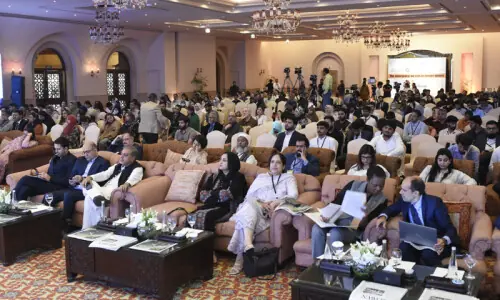
At the conference, organised by DawnMedia and titled ‘Act For Nutrition: The Emergency We Can No Longer Ignore’, speakers called for food and nutritional security to be recognised as fundamental rights.
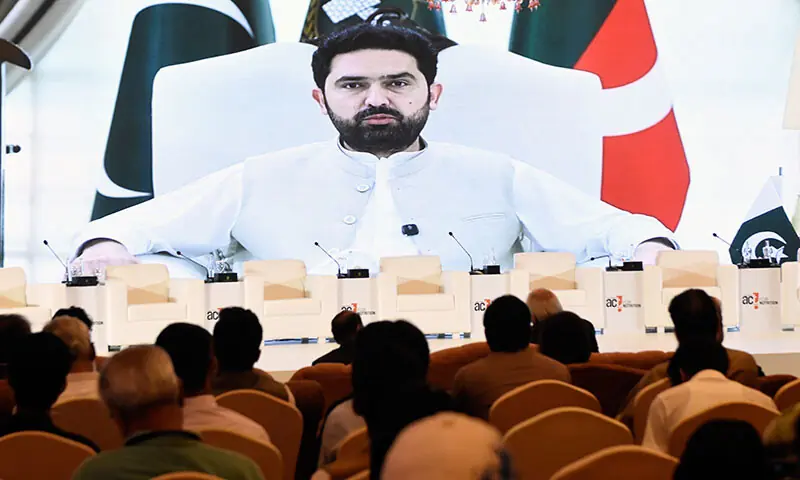
Khyber Pakhtunkhwa Chief Minister Sohail Afridi, in a video message, said his government was establishing facilitation centres to address malnutrition among pregnant women and young children. In his message to the conference, he said the provincial government was working on the issue under the vision of PTI founder Imran Khan.
Experts link nutrition with family planning, food security, healthcare and population management
He also thanked DawnMedia for highlighting malnutrition and other social issues.
Dr Shabana Haider, former Member Population at the Planning Commission, called for a consistent national narrative on population and nutrition.
She said conflicting messages on family size and pregnancy planning had created confusion and urged the government to develop a clear policy around which development partners, the private sector and other stakeholders could align.
She said Pakistan could not address its nutritional challenges without recognising population dynamics, adding that the country would also be unable to benefit from its demographic dividend without investing in nutrition.
“Policies alone are not enough,” she said, noting that population had long been neglected as a national priority.
Dr Fazal Majeed, former Director of Nutrition at the Directorate General Health Services, KP, said the national stunting rate stood at around 40 per cent, rising to 48pc in the province’s merged districts. Nearly 40pc of women of reproductive age were also anaemic, he added.
He described malnutrition and family planning as closely interconnected challenges, while identifying fragmented service delivery, difficult geography and security concerns as major barriers in KP.
Public health professional from Sindh Dr Talib Lashari said the link between nutrition and family planning was well established but poorly implemented in Pakistan.
He said public health programmes had traditionally been designed and funded separately, resulting in isolated implementation rather than coordinated action.
Adviser to the finance minister Adnan Pasha Siddiqui called for nutrition to be treated as capital expenditure rather than merely a health expense. He estimated the annual economic cost of malnutrition at $17 billion, warning that inadequate investment in nutrition was suppressing labour productivity and imposing a structural burden on the economy.
World Bank senior health specialist Sara Shahzad said nutrition was being viewed through a human-capital lens.
She noted that 30-40pc of stunting occurred before birth, making maternal health, the first 1,000 days of life and adolescence critical periods for intervention.
Population Council representatives also warned that Pakistan’s 2.55pc population growth rate would place increasing pressure on resources, food security and public services, underscoring the need for an integrated approach to nutrition and population planning.
Published in Dawn, September 4th, 2026