The Punjab government’s tall claims of providing better health facilities to people in remote areas may sound good, but they certainly cannot deceive the eyes — at least not in Attock district’s Chhab area, where millions of rupees have been spent on a modern health centre, yet not a single doctor is available to examine and treat patients.
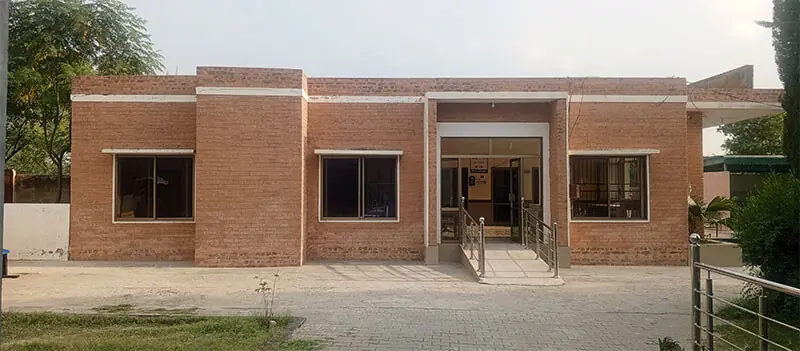
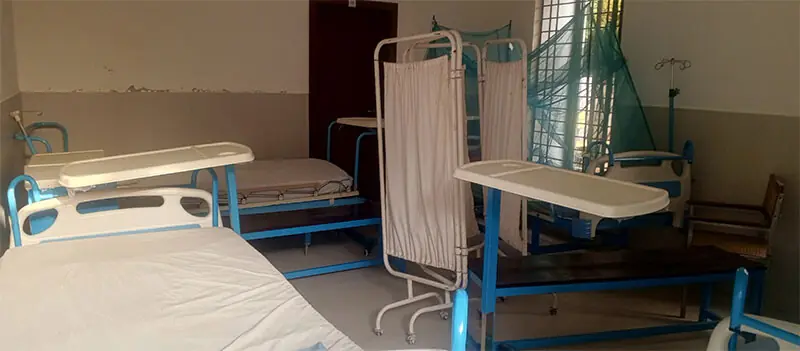
Chhab’s Maryam Nawaz Health Centre has a modern building, a newly constructed emergency department, two wards, a laboratory, an X-ray facility, a residential block for doctors and dozens of employees. But for residents of the area, it means little.
The centre was revamped and upgraded for Rs20 million on around 40 kanals of land, with the stated objective of bringing better healthcare closer to residents.
Yet, according to residents, the facility has remained without a doctor for the past several months, effectively rendering its outpatient department (OPD) non-functional and forcing emergency patients to travel to other cities, which often prove fatal.
The centre is reportedly the only major public healthcare facility serving seven union councils and thousands of people in Chhab and adjoining areas. Despite substantial expenditure on its infrastructure and the recent construction of a modern emergency block, the absence of doctors has turned what was meant to be a major public-health investment into a largely underutilised facility.
According to available data, six doctor posts have been sanctioned at the health centre, including five for male doctors and one for a female doctor. However, all six posts have reportedly remained vacant for around a month.
Residents said a doctor working on a contractual basis was also serving at the facility, but his contract expired and was neither renewed nor followed by the appointment of another doctor.
As a result, the health centre has been left completely without medical officers, according to residents.
The situation is particularly difficult for women, elderly people, children and emergency patients, who have to travel to Jand, district headquarters Attock or divisional headquarters Rawalpindi for medical attention.
Residents said labour cases and cardiac patients had died on the way to these health facilities. They said the closure of the OPD and referral of emergency cases elsewhere had defeated the very purpose of upgrading the facility.
Ironically, the centre reportedly has around 40 to 50 employees, including four dispensers, five staff nurses, two Lady Health Visitors, a clerk, a midwife and other personnel. Laboratory testing and X-ray facilities are also available.
But without doctors to examine patients and prescribe treatment, much of this infrastructure and manpower remains incapable of delivering the healthcare services for which it was established. Saeed Zargar, a resident of the area, said the building was considerably better equipped than many other government hospitals in the region and had generated hopes that healthcare services would finally improve after the new emergency department was constructed.
Umer Khatiab, another resident of the area, said restoring the OPD and emergency services would provide essential medical care to thousands of people from seven union councils and surrounding settlements, sparing them the expense, inconvenience and risk of travelling to Jand even for routine treatment.
Muhammad Siddique, a Chhab Social Welfare Society office-bearer, pointed out that the Chhab area contributed to the national economy through its oil and gas resources and argued that its population should not be denied basic healthcare facilities.
Former Wapda officer Abdullah Khan said Chhab was officially regarded as a “hard area”, making the shortage of doctors even more alarming. Instead of providing incentives and ensuring adequate staffing in such a difficult-to-serve locality, all sanctioned doctor posts had allegedly been allowed to remain vacant. He asked the bureaucracy to stop presenting a rosy picture of an ideal health facility to the government.
Numberdar Irshad Khan also complained about the availability and utilisation of the health centre’s ambulance. He alleged that a donated ambulance had remained parked in a garage for almost a year, reportedly because it had not been registered and assigned a number.
During this period, patients allegedly had to rely on private ambulances, increasing the financial burden on already struggling families. Some residents further alleged that certain local officials were receiving commissions in connection with the use of private ambulances.
The residents of the area urged Punjab Chief Minister Maryam Nawaz Sharif and the provincial health minister to immediately intervene and deploy at least one male and one female doctor at the centre, while filling all six sanctioned positions permanently.
When contacted, the district health official claimed that the area was located in a far-flung and remote region and that no doctor was willing to work there. He said the posts had been advertised several times, but no one had applied for the vacant positions as doctors were not ready to serve in the remote area.
Published in Dawn, September 7th, 2026