Centre goes austere, with provinces set to decide today

• Federal govt reimposes austerity measures for three months amid high fuel cost
• Markets, food outlets, marriage halls timings restricted; officials barred from foreign travel; 50pc cut in fuel quota; govt-funded seminars ‘prohibited’
• All development, IT projects, hospitals, tandoors, sports facilities exempted
• Punjab, Sindh set to make a decision today; KP cabinet to review steps
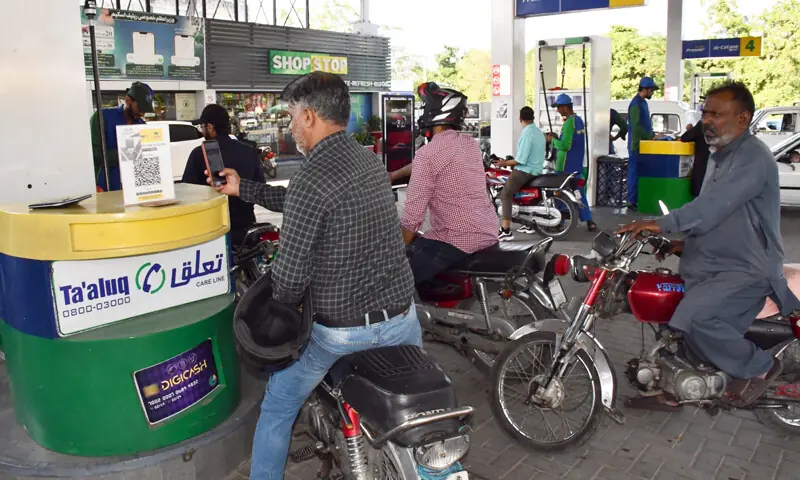
ISLAMABAD: As oil supply disruptions due to the expanded conflict in the Middle East drive up costs, the federal government on Thursday imposed a series of restrictions aimed at cost-saving and fuel conservation, without a similar action by the provinces.
In a notification by the Cabinet Division, the PM approved the austerity scheme in light of high prices of fuel in international market before flying out of the country, while also reviewing additional austerity measures for government officials in a meeting. Punjab and Sindh, however, planned to take a decision on these measures today, while Khyber Pakhtunkhwa and Balochistan are also expected to follow suit.
The federal government re-introduced restrictions on markets, shopping malls, marriage halls, and restaurants, while exempting fuel stations, hospitals, tandoors, dairy shops, pharmacies, and gyms. Shops, markets, shopping malls and bazaars, as well as departmental and grocery stores, would close by 9pm.
Marriage halls, marquees and all other commercial places where festive events are held would close by 10pm, while restaurants and food outlets, as well as fruit and vegetable shops would close by 11pm. Takeaway and home delivery services are exempted from the restriction, as per the notification.
Similarly, pharmacies, laboratories, clinics, hospitals, bakeries, tandoors, dairy shops, fuel and CNG stations, e-charging stations, gyms, sports facilities, IT companies and call centres were also exempted from time restrictions.
The notification mandated that a single dish should be served at all marriage-related functions or events.
Restrictions on govt entities
Besides restricting timings for markets, the austerity plan also outlined a set of measures for government entities and officials to save resources. This included the reduction in fuel provision by 50pc for official vehicles for three months.
Vehicles of armed forces, civil armed forces, vehicles in use of law enforcement agencies, those used for essential services and those in use of the Federal Board of Revenue were excluded from this restriction, barring those of administrative or non-operational formations of these entities. This measure was also not applicable in the case of development projects, according to the notification.
The government also announced a 5pc reduction in the budget for non-employee-related expenditures for FY2026-27, with deductions to be made on a monthly basis; however, obligations relating to rents, educational fees and medical care arrangements will be met.
The government also imposed a complete ban on the purchase of vehicles of all types. It also prohibited the purchase of all durable goods, except IT-related equipment and services.
It further imposed a three-month ban on foreign visits and travel, including obligatory trips for government officials. The restriction, however, would not apply to scholarships offered by international development partners, or to training and courses arranged through the Economic Affairs Division or under institutional agreements.
According to the notification, Pakistan’s ambassador or high commissioner concerned would represent the country at obligatory and important events during the period. However, in case of “unavoidable visits” all cabinet members, parliamentary and government functionaries shall “travel only in economy class”.
The government further directed that official meetings would be preferably held through teleconferencing, except intra-city meetings. “No official dinners shall be hosted, except in the case of visiting foreign delegations,” it added.
The notification also prohibited all government-funded official seminars, trainings and conferences. However, where such events were deemed unavoidable, government facilities, including auditoriums and committee rooms, would be used to host them.
It further said requests for exemptions could be considered on a case-by-case basis by a committee, which would submit its recommendations to the PM for approval. All development projects, however, would be exempted from austerity measures.
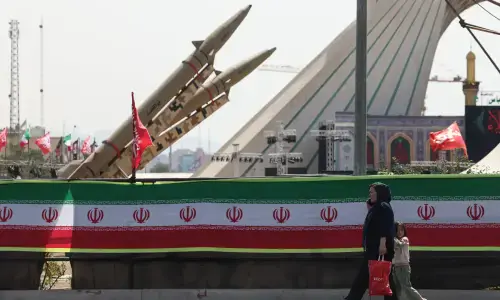
The government had imposed similar measures on March 9 this year for a little over three months to mitigate the impact of the ongoing US-Iran war.
At the time, provinces had simultaneously announced their austerity plans. However, this time, they have yet to decide.
Provinces to follow suit
The Punjab government said that the decision to enforce the austerity measures was expected to be taken today after consultations with Chief Minister Maryam Nawaz. Punjab Chief Secretary Zahid Akhtar Zaman told Dawn that there was concern “on our part regarding timing (of the businesses) since it affects business of the people. But we will present it to cabinet (for approval) after taking decision in this regard on Friday”.
In March this year, Punjab imposed several cost-cutting measures and also restricted market timings later on, before revising some of the measures in May to exempt gyms and other businesses.
Meanwhile, a spokesperson for the Sindh chief secretary told Dawn that the provincial government hadn’t de-notified its earlier austerity measures, which were very much in place.
Regarding early closure of shops, markets and eateries, another official said that a decision to notify new timings was likely to be taken by the chief minister on Friday (today).
Furthermore, a senior KP government official said that austerity scheme would be placed before the provincial cabinet for a decision.
They, however, did not share a timeframe.
Traders concerned
On the other hand, the All Pakistan Anjuman Tajiran has expressed grave concern over the markets’ opening and closure timings in Islamabad and a likely decision by provinces.
“Announcing opening and closure timings again and again on the pretext of austerity measures is not good for businesses, as the government should better make laws/rules and regulations for adoption of businesses’ timings once and for all,” APAT’s Chairman (Supreme Council) Naeem Mir said while talking to Dawn. He said if austerity measures were tightened in the coming months, the government should prepare a relief package for affected shopkeepers.
Khalid Hasnain in Lahore and Azfar-ul-Ashfaque in Karachi contributed to this report
Published in Dawn, September 18th, 2026