UN warns super El Nino a 'significant' threat to world health
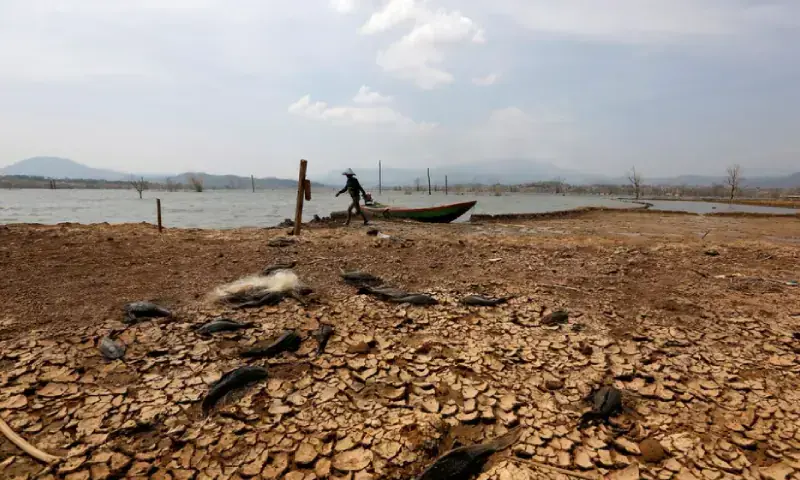

El Nino represents a “significant” threat to global health, the United Nations warned on Tuesday, as the world braces for a cycle of the climate phenomenon predicted to be the most intense on record.
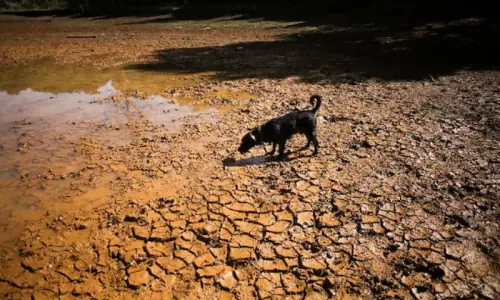
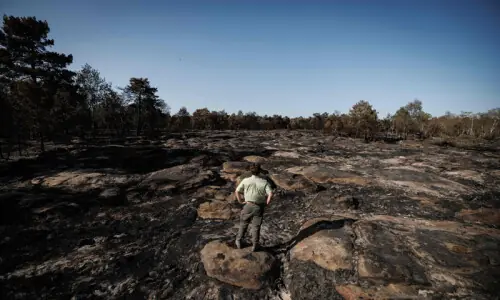
Tied to warming surface temperatures in the Pacific Ocean, the natural weather pattern is linked to higher temperatures alongside periods of both extreme drought and widespread flooding, with its influence already being felt from central America to Indonesia.
According to the World Health Organisation (WHO), heavy rain could create favourable conditions for cholera and disease-carrying insects, notably mosquitoes, which would lead to an uptick in illnesses such as malaria, chikungunya and dengue fever.
“The most severe impacts will be experienced while climate shocks intersect with weak health systems, limited access to healthcare, food insecurity, displacement and humanitarian crisis,” Teresa Zakaria, the WHO’s Unit Head for Risk Reduction, Humanitarian Operations and Climate Change, warned.
Branding El Nino “a significant public health threat” and a “risk multiplier”, Zakaria urged countries to act immediately to “mitigate these impacts and therefore avoid loss of lives and suffering”.
“We have a window of opportunity to act now, before these risks become a crisis,” she told reporters in Geneva.
Earlier in September, the UN’s World Meteorological Organisation warned that the current El Nino is forecast to be the strongest since comparable records began four decades ago, with the knock-on effects on the world’s climate continuing well into 2027.
While El Nino is not caused by climate change, scientists expect it will turn up the heat on a planet already warming from humanity’s burning of fossil fuels, while amping up weather extremes.
“Every El Nino is different,” said Armel Castellan, an adviser on extreme heat at the WHO-WMO Climate and Health Joint Programme.
“However, this El Nino, coupled with temperatures that were already record-breaking, is what makes this one unique.”