El Nino could cause 451,000 extra heat deaths, estimates say
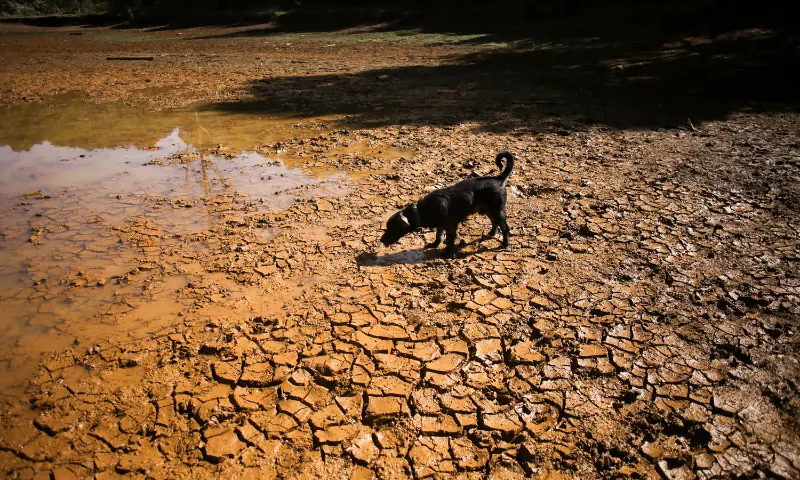

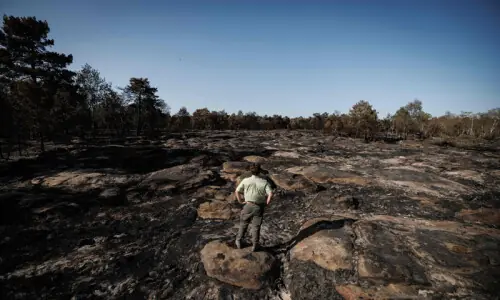
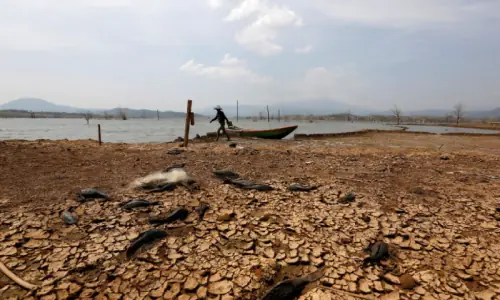
This year’s powerful El Nino weather pattern could lead to 451,000 additional heat-related deaths worldwide through February as it turbocharges global temperatures, according to projections published on Wednesday.
The warming phenomenon, which was declared in June and is due to peak later this year, is on course to be the strongest on record, amplifying the effects of human-induced climate change.
The estimates by the Climate Impact Lab at the University of Chicago found that developing countries would be hit hardest by the heat-related toll in the June to February period.
The Sahel region in Africa could have an additional 66,800 heat deaths compared to a normal year, with nearly half of that number in Nigeria alone.
An additional 19,300 are projected in Indonesia and 19,400 in the Philippines, Vietnam, Thailand, and Cambodia.
The toll could reach 15,800 in India and 13,300 in Brazil.
The researchers projected that global land temperatures will be 1.2C above normal in the coming months due in large part to El Nino, leading to 44 per cent more extremely hot days than in a regular year.
For the projections, the Climate Impact Lab used research on the relationship between temperature and excess mortality in 24,378 regions, taking local climate and vulnerability into account.
They then combined those findings with long-range temperature forecasts to estimate excess deaths that could result from El Nino compared with the 1996-2025 average.
Their method will be published in an upcoming peer-reviewed journal.
The report comes a day after the United Nations warned that El Nino represents a significant threat to global health.
The Climate Impact Lab researchers said their projections can help governments and humanitarian organisations take preventive measures to protect people, including heat warnings, cooling centres and hydration stations.
“This report allows decision-makers to see exactly where emergency actions can be taken now to save tens of thousands of lives in the coming months,” said Climate Impact Lab co-founder Michael Greenstone.