Iranian team to inspect mango treatment plants
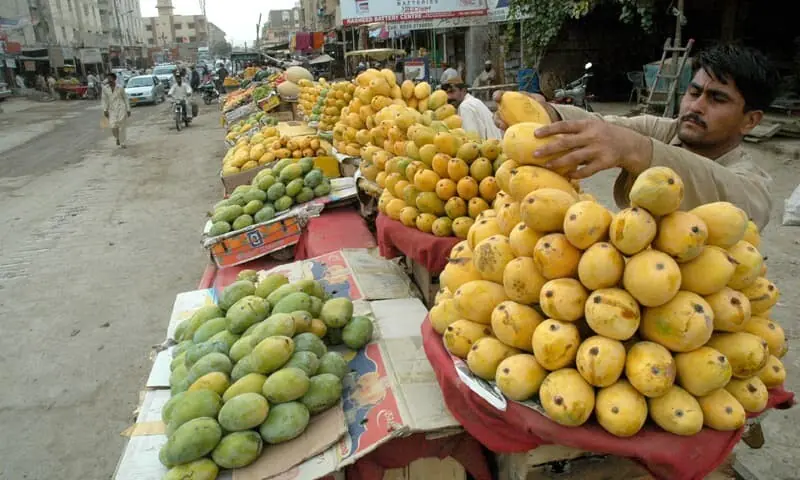

ISLAMABAD: Iran is preparing to send a two-member team to Pakistan to inspect newly established hot-water treatment (HWT) plants for mangoes. The visit could pave the way for approval of more facilities and help Pakistan revive exports to one of its key regional markets.
The proposed visit, expected shortly, follows months of correspondence between Iranian authorities and Pakistan’s Department of Plant Protection (DPP), along with efforts by the Ministry of National Food Security and Research to revive the inspection mechanism.
The visit would be the first inspection of Pakistani HWT facilities by Iranian authorities in about three years. Meanwhile, a senior official of the ministry told Dawn that the ongoing US-Israeli war on Iran delayed the visit.
“However, the upgraded treatment plant will be functional before the start of the next mango season,” the official added.
Approval of new HWT facilities could double exports to key market
The Iranian team will examine newly established plants and assess their treatment infrastructure, operating procedures and compliance with phytosanitary requirements prescribed for mango exports to Iran.
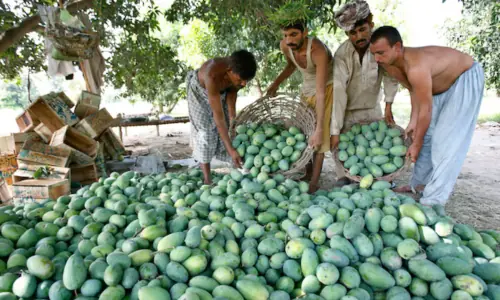
The development is significant for Pakistani mango exporters, who have witnessed a sharp decline in shipments to the Iranian market.
According to industry sources, around 30,000 tonnes of mangoes could be exported to Iran this year compared with over 60,000 tonnes in the previous seasons.
Exporters believe approval of additional HWT facilities could increase treatment capacity, provide greater flexibility and enable Pakistan to recover part of the market lost in recent years.
At present, Pakistan’s mango exports to Iran depend on a limited number of approved treatment plants.
Approving new facilities would allow exporters to handle larger volumes and reduce their dependence on a small number of existing plants.
Officials said the DPP director general and the secretary of the Ministry of National Food Security and Research had been pursuing the matter with Iranian authorities, after which Tehran conveyed its willingness to send an inspection team.
Meanwhile, the DPP face another challenge, as some treatment plant operators, seeking to maintain their dominant position in the business, could oppose the development of new HWT.
Iran has traditionally been an important market for Pakistani mangoes, with geographical proximity giving Pakistani exporters a logistical advantage over suppliers from more distant markets.
The Iranian inspection team’s assessment will therefore be closely watched by mango growers and exporters, as its findings could determine whether Pakistan succeeds in expanding treatment capacity and regaining a larger share of the Iranian mango market.
Iran is the only major export destination where consignments are sent by land.
Pakistan exports mangoes to the Gulf region via air and sea routes, and reaches European markets only by air.
Industry stakeholders believe that expanding the number of approved HWT facilities, coupled with strict compliance with Iranian phytosanitary requirements, could help Pakistan increase exports to other countries as well, since Iran has strict criteria close to Euro standards.
However, Abdul Waheed, chairman of the Fruits and Vegetables Exporters Association, cautioned that any further interception of consignments or non-compliance with phytosanitary requirements could undermine confidence in Pakistan’s export-control system and make recovery of the Iranian market more difficult.
Mr Waheed added that considerable room for recovery is visible if additional HWT plants are approved and treatment standards are strictly maintained.
Published in Dawn, September 27th, 2026