WHEAT is grown on almost 80 per cent of cultivated land in rabi season. In 2023-24, wheat was grown on 23.69 million acres, which was higher than the previous year. Punjab is the principal producer of wheat, which covers an area of more than 17.44 million acres with a production of 22.56 million tonnes. The production this year was higher than the last year. On the ground, there is likely to be surplus produce this year, but the arrival of fresh crop in the market has been marked by the presence of imported stock in the country.
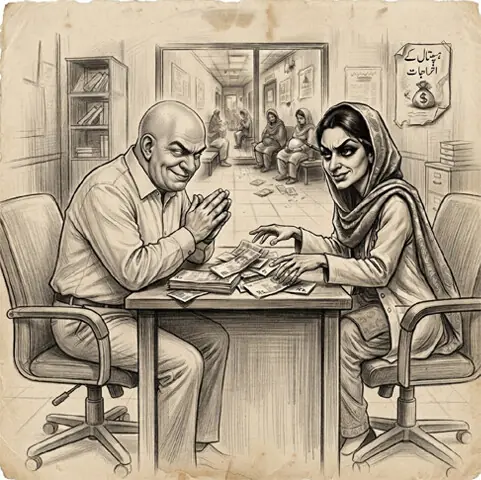
Furthermore, the government has announced a support price of Rs3,900 per 40kg to pick farmers’ produce, but government entities have been reluctant to buy farm produce at the designated price. Besides, the element of middlemen has further aggravated the situation for the farmers who have since been holding protests. The flawed procurement policy introduced by the caretaker government in September last year has led to a crisis in the agriculture sector. Is there a way to end this fiasco once and for all?
In fact, the government intervention needs to be curtailed, and the government should take itself out of the procurement mechanism in a phase-wise manner. Saleable grains are offered to flour mills. In the present scenario, all procurement targets put together will cover only 17pc of the total production, and Rs500 billion will be consumed from the exchequer. The government needs to revisit the existing policy and adopt a pragmatic approach.
Additionally, about 1,400 flour mills are operating across the country to grind only 30pc of the produce and serve the urban population in big cities.
As such, most of the flour mills across the country are looking to subsidised wheat quotas in order to keep their mills operational, making quick and massive profits. In the new policy, every flour mill that is the beneficiary of government subsidies should be made to go for direct procurement from the farmers at the latter’s doorstep, and at the mandated support price. Besides, all flour mills should be directed to make arrangements at their respective premises for providing technical knowledge to the farmers.
Such a policy is already in practice in the domains of sugarcane and tobacco quite successfully, and there is no reason not to do that for the critical wheat crop.
If the local produce is not picked at the support price, there are chances that the farmers in the coming season may switch to some other crops. This will be a much bigger and a much more critical crisis than what the country has faced till now.
Ghulam Idris Khan
Ex-Managing Director
Pakistan Oilseed Development Board
Islamabad
Published in Dawn, May 8th, 2024