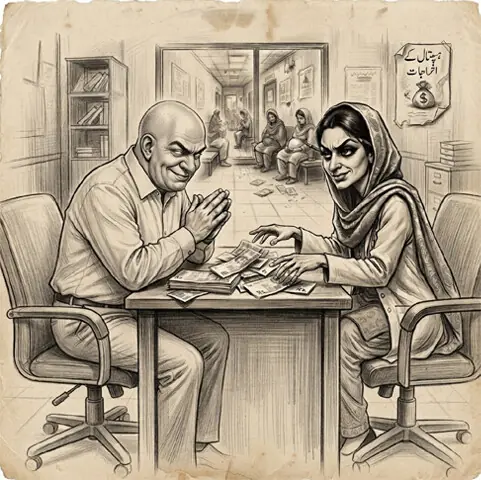
THE rising rate of Caesarean section (CS) deliveries in Pakistan does warrant close attention. A CS can be necessary and life-saving in certain circumstances, but when this surgical and invasive procedure is performed without a clear medical indication, we must ask an uncomfortable question: are financial incentives actually influencing decisions about how women give birth?
According to the Pakistan Demographic and Health Survey (PDHS), the CS rate in the country has risen from 14 per cent to 22pc in just five years. The survey also indicates that CS rates are significantly higher in private-sector hospitals than in public-sector facilities. This is particularly concerning because private healthcare in Pakistan commonly operates under a fee-for-service model and other financial arrangements that may create incentives for additional procedures.
A CS can generate additional charges for surgery, hospital services, medicines and longer inpatient stays. This creates a potential conflict of interest when the financial benefit of a procedure is linked to the decision to perform it. This is not to suggest that every doctor recommending a CS is motivated by financial gains. The concern is over the possibility of financial incentives influencing some decisions.
Unnecessary CS can expose mothers and newborns to avoidable risks. Babies thus delivered may have a higher risk of certain breathing problems, while mothers generally face a longer recovery period. A CS can also have implications for future pregnancies. It is vital to monitor CS rates, particularly in private hospitals. Hospitals should be subject to clinical audits, and patients should be given clear, understandable explanations about why a CS is being recommended. Where circumstances permit, women should also be encouraged to seek a second medical opinion.
The objective here should not be to discourage CS or to reduce its use at all costs. It should be to ensure that every CS is performed for medically relevant reasons, not because the healthcare provider stands to benefit financially from the procedure.
Roshni Kumari
Sukkur
Published in Dawn, September 30th, 2026