• FO confirms Pakistan abstained; China and Russia opposed resolution
• Move in line with Islamabad’s historic stance, as country has not voted on measures targeting Iran’s nuclear programme since 2005
IN a move laden with geopolitical consequences, the International Atomic Energy Agency (IAEA) on Thursday declared Iran in violation of its nuclear safeguards obligations — its first such censure since 2005.
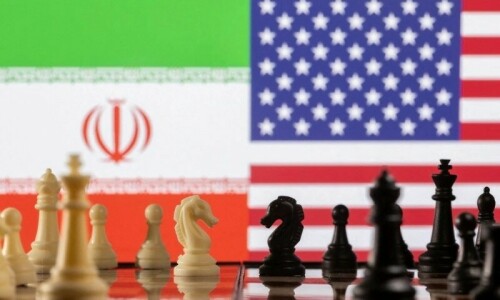
The timing couldn’t be more delicate. US-Iran nuclear talks are set to resume in Oman next Sunday, and intelligence leaks point to Israeli preparations for a possible strike on Iranian nuclear facilities. The IAEA resolution not only complicates diplomacy but may also embolden hardliners on all sides who see confrontation, not negotiation, as the next step.
The sense among the diplomats in Vienna, according to a diplomatic source privy to negotiations that preceded the resolution, was that it was part of American maximum pressure strategy to get a deal.
Adding a layer of intrigue to the resolution was Pakistan’s decision to abstain from the vote, even though Islamabad had been a longstanding supporter of Iran’s right to develop nuclear programme.
The June 12 resolution stems from Iran’s failure to adequately explain traces of uranium discovered at three undeclared sites that had been pointed out by Israel in 2018.
The IAEA’s investigations, carried out between 2019 and 2020, concluded that Iran’s explanations were “technically not credible,” raising concerns that Tehran may have conducted nuclear activities, which it did not declare under its commitments.
Of the 35-member IAEA Board of Governors, the resolution was adopted with a majority, yet not overwhelming unity.
While Western countries spearheaded the move, major regional and global players – China and Russia – voted against the move. Several other members, including India, also abstained.
Pakistan has walked this line before, but rarely under such intense scrutiny.
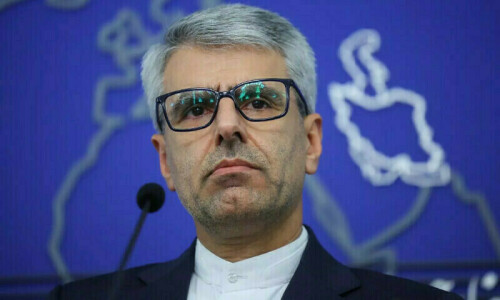
A senior official at the Foreign Office, while playing down the speculation, said, “We have been abstaining in the past as well. Nothing new.”
By abstaining, Pakistan has signalled continuity in its approach: cautious neutrality, preference for diplomacy, and a reluctance to be pulled into another regional confrontation. But this time, the stakes are higher, and the world is paying closer attention.
To understand why this resolution feels so combustible, it’s important to revisit the logic of the 2015 Joint Comprehensive Plan of Action (JCPOA). When Iran agreed to limit its uranium enrichment and allow intrusive IAEA monitoring, it was on the understanding that past allegations particularly those related to activities before 2003 would be shelved. The deal was forward-looking by design.
That framework began to fray in 2018, when then-President Donald Trump unilaterally withdrew the US from the JCPOA and reimposed sanctions. While Iran initially stayed compliant, European powers failed to deliver the promised sanctions relief, leading Tehran to gradually scale back its commitments. By 2021, Iran had suspended implementation of the Additional Protocol, which had allowed IAEA inspectors broader access.
The IAEA’s renewed focus on uranium traces from the preceding period marks a shift. It reopens files that were, at least diplomatically, meant to be closed. Iran has responded furiously, accusing Western powers of reneging on the spirit of the JCPOA and warning of unspecified “strategic consequences.” It has announced plans for a new underground enrichment facility and the deployment of more advanced centrifuges.
Pakistan’s abstention, then, is not merely procedural. It is a quiet signal of discomfort with the turn global diplomacy is taking. In backchannel conversations at the IAEA, Pakistani officials emphasised the need for a negotiated solution, gently chastising both Iran for its lack of full transparency and the West for reviving settled disputes. This is classic Pakistani diplomacy – avoid direct confrontation, speak in the language of consensus, and hope the storm passes.
In a statement delivered behind the closed doors at the IAEA board meeting, the Pakistani side maintained, “Pakistan believes that a diplomatic and negotiated solution is the only way forward. JCPOA represented a good model of a negotiated solution which Iran had accepted. Currently, a similar approach is required. All sides should refrain from actions which can further complicate the solution.”
But the storm is unlikely to pass quietly. Israel appears determined to strike Iran. With the IAEA now labeling Iran non-compliant, the diplomatic groundwork for a military intervention, however controversial, is in place. The upcoming US-Iran talks in Oman may be the last chance to de-escalate.
Published in Dawn, June 13th, 2025