Gwadar bans vehicles carrying Iranian oil

GWADAR: Authorities in the Gwadar district have imposed an immediate ban on oil-carrying vehicles, particularly targeting Zamyad trucks and similar transporters, from moving fuel between Jiwani, Paanwaan, and Gwadar city.
The district administration issued a notification advising all drivers and relevant parties to steer clear of travelling towards Jiwani.
Officials warned that any vehicle in violation of the ban would be subject to strict legal consequences, including on-the-spot confiscation by law enforcement agencies.
Law enforcement bodies, including the police, Pakistan Coast Guard, and Frontier Corps, have been instructed to rigorously enforce the ban, as per the district administration’s directive.
The measure aims to curb an illicit trade that costs the national treasury billions. An inquiry in 2020 revealed oil smuggling from Iran was worth over Rs250 billion annually.
Move aims to curb fuel smuggling from across the border
A more recent intelligence report from April 2024 noted that approximately 10 million litres of Iranian petrol and diesel were smuggled into Pakistan daily, causing a revenue loss of over Rs227 billion.
The significant difference in fuel prices between Pakistan and Iran has turned smuggling into a thriving business.
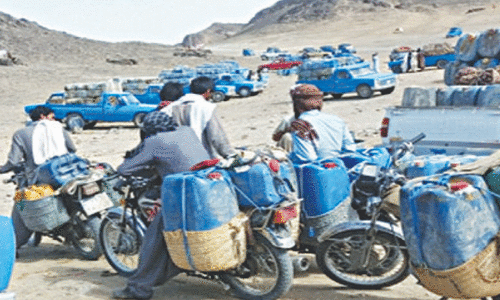
According to officials, a main smuggling artery is the sea route from Sistan, Iran, where speed boats transport fuel in cans along the Dasht river to Jiwani. Thousands of boats are allegedly involved in the illegal operations, supported by storage facilities and hotels along the coast.
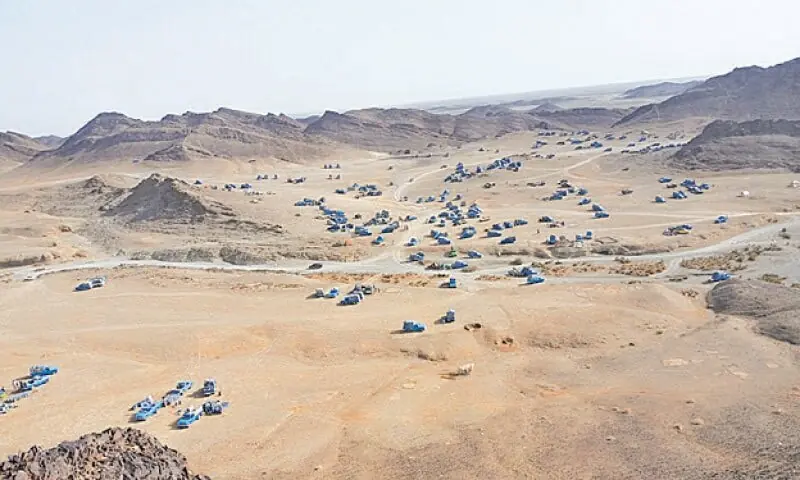
From the coast, the cargo is moved in modified trucks to areas near Gwadar. It is then transported in non-Custom-paid pickups to the rest of Balochistan and bordering areas of Punjab and Sindh.
While the trade serves as the only means of livelihood for many people, it remains a lucrative opportunity for others. Smuggling continues to undermine legitimate business, facilitates tax evasion and fuels organised crime in the province.
The region’s reliance on smuggled fuel has previously led to widespread disruption. During a recent conflict between Israel and Iran, the supply of Iranian oil was severely affected, forcing a large number of petrol pumps to close.
The border districts of Turbat, Gwadar, Panjgur, Chagai, Washuk and Mashkail were the worst-affected, facing not only fuel shortages but also food scarcity, as many edibles are also imported from Iran. At the time, 60 to 70 per cent of petrol pumps reportedly closed due to the supply suspension.
Successive governments have launched initiatives to stop the smuggling, but the problem persists. Last year, Prime Minister Shehbaz Sharif directed the Balochistan government to take measures to discourage the transport of smuggled fuel out of the province.
Additionally, in August this year, the government passed a bill in the National Assembly to digitally track petroleum products from their origin to sales, aiming to curb smuggling and adulteration.
Published in Dawn, November 17th, 2025