Basmati boom propels Pakistan past Vietnam
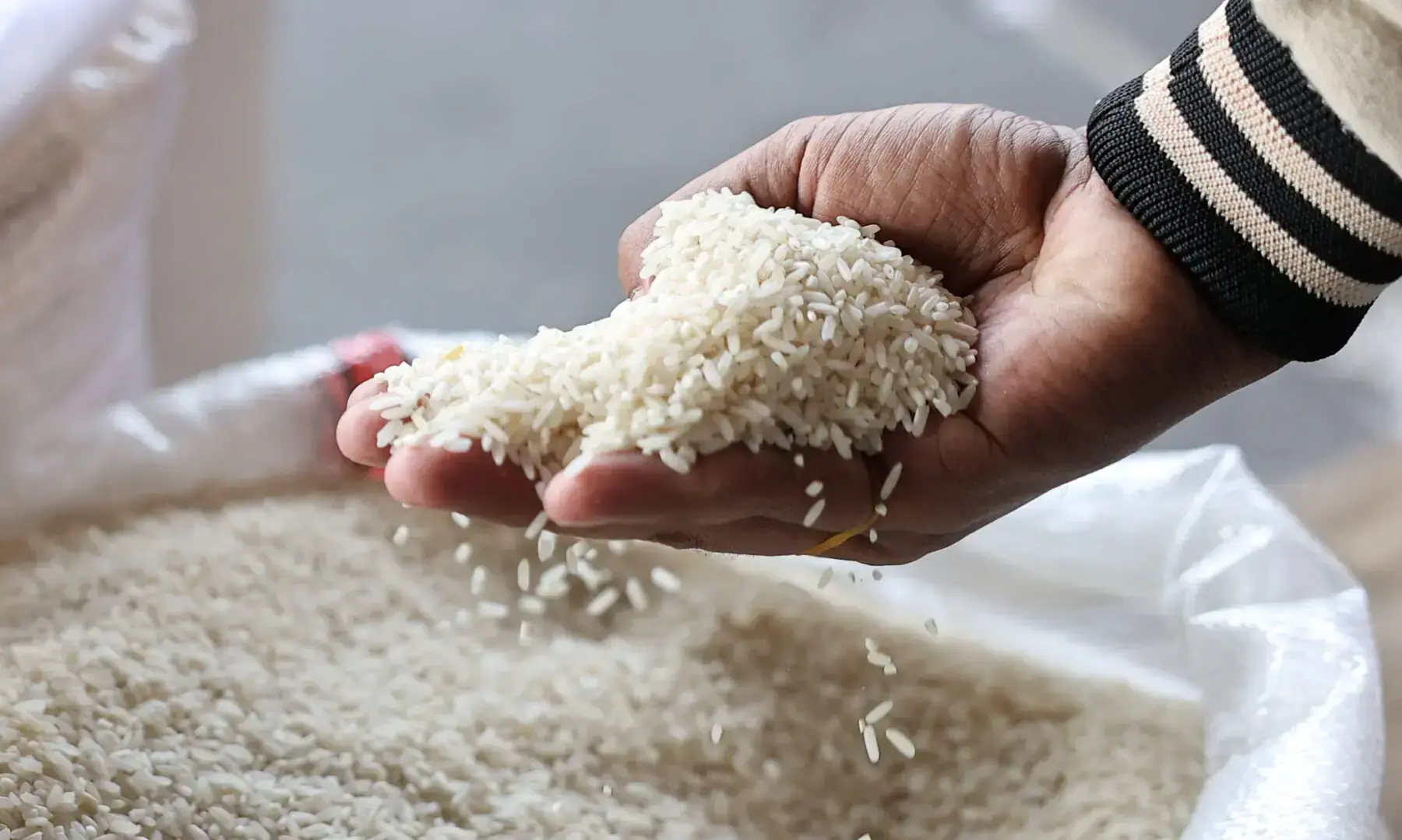

LAHORE: Pakistan’s rice exports recorded a strong rebound in December 2025, registering a 14 per cent month-on-month (MoM) increase compared to November, primarily driven by a more than 50pc surge in Basmati shipments.
The impressive performance enabled Pakistan to overtake Vietnam and emerge as the world’s third-largest rice exporter, behind India and Thailand, during the month.
According to trade data, Pakistan exported 489,000 tonnes of rice in December 2025, excluding shipments to Iran, compared to Vietnam’s 387,000 tonnes. This marks Pakistan’s best monthly rice export performance, underscoring renewed momentum in the sector.
The UAE remained the top destination for Pakistani rice, importing 74,897 tonnes, including 16,850 tonnes of Basmati. China followed closely with 74,685 tonnes, while other major destinations included Tanzania (62,900 tonnes), Kenya (60,300 tonnes), Ivory Coast (41,700 tonnes), Guinea-Bissau (31,850 tonnes), Malaysia (23,930 tonnes), Madagascar (17,800 tonnes), Kazakhstan (17,050 tonnes), Saudi Arabia (16,032 tonnes, including 5,350 tonnes of Basmati), the EU and UK combined (21,100 tonnes, including 15,600 tonnes of Basmati), Oman (5,770 tonnes), the United States (2,230 tonnes), and Canada (1,321 tonnes).
December surge boosts rankings despite structural challenges
A notable development during December was Pakistan’s growing footprint in Central Asian markets. Exports to Kazakhstan exceeded 17,000 tonnes, including 10,300 tonnes of Basmati, while shipments to Uzbekistan stood at 10,382 tonnes. Industry experts say this reflects a structural shift, as Pakistan is now exporting directly to Central Asian states such as Kazakhstan, Uzbekistan, Azerbaijan, Turkmenistan, Tajikistan, and Kyrgyzstan. Previously, much of this trade moved indirectly through Afghanistan, but the closure of the Afghan border has prompted direct export routes, making Pakistan’s presence in the region more visible.
Despite the encouraging December figures, the rice export sector continues to face deep-rooted challenges. Structural, financial, marketing, and capacity-related weaknesses persist, with one of the most significant gaps being Pakistan’s negligible exports to Iraq — currently the world’s second-largest importer of Indian Basmati rice after Saudi Arabia. Similarly, Pakistan’s exports to Turkiye, a key transit hub for Iraq, Jordan, Syria, and parts of Eastern Europe, remain minimal.
Prime Minister Shehbaz Sharif has recently directed authorities to formulate a comprehensive strategy to boost rice exports and reduce the widening trade deficit.
Government officials have attributed the downturn to low-priced Indian rice and phytosanitary rejections at borders. However, exporters argue that Pakistan’s rice sector is suffering primarily due to policy missteps.
Hamid Malik, a rice sector analyst, says the causes include intense global competition, higher global production — especially in India — weakening international demand, rising ocean freight and logistics costs, inconsistent fiscal and monetary policies, irrational regulatory frameworks, inflated domestic prices caused by hoarding and undocumented money, and security-related border closures.
Amid these challenges, Malik sees several positive developments as a silver lining. “There is strong demand for Pakistani rice in Bangladesh, although higher freight costs have eroded competitiveness.”
Central Asian states are also emerging as promising markets since the start of Pakistan’s harvesting season in October 2025. Additionally, a 50pc tariff imposed by the United States on Indian rice exports has begun to benefit Pakistan, with shipments to the US gradually picking up, says Abu Bakr, an exporter.
Another significant development is unfolding in Iran, where foreign exchange shortages have led the Iranian Central Bank to stop issuing subsidised foreign exchange for rice imports. Iranian traders are now importing rice using their own funds, a shift that has favoured Pakistan due to geographic proximity. Pakistani exporters report a surge in Iranian demand, while Indian exporters have been adversely affected.
Published in Dawn, January 18th, 2026